

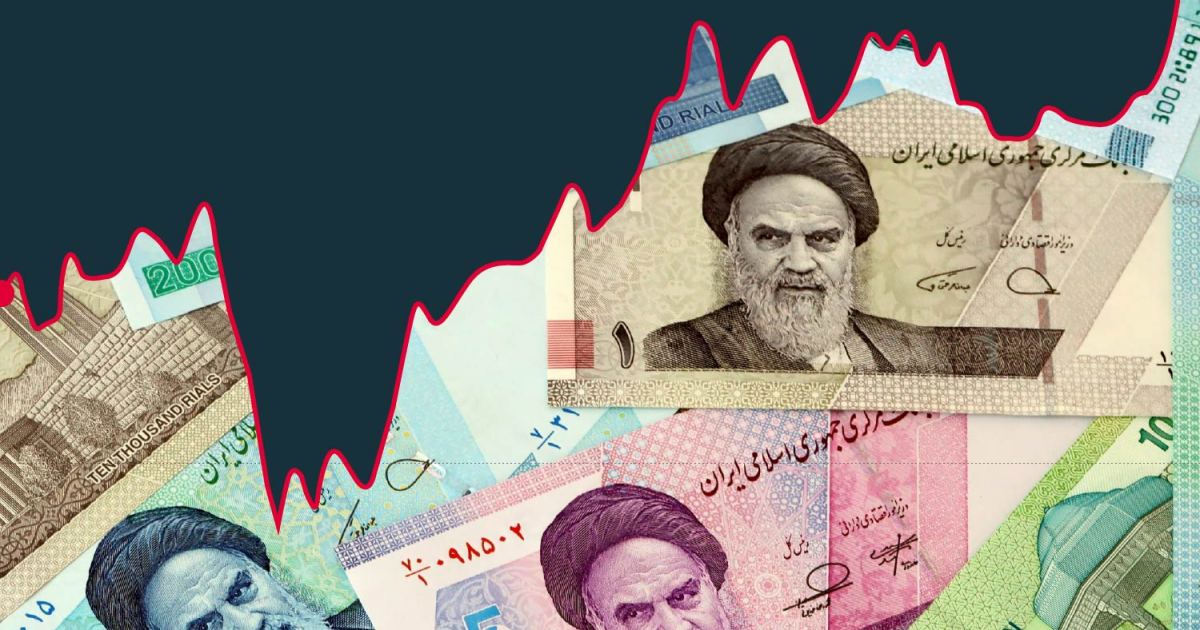
Kathmandu— The Iranian rial has fallen to an all-time low against the US dollar, surpassing 2 million rials per dollar on the free market, as the country grapples with crippling economic challenges stemming from decades of international sanctions and exacerbated by recent regional conflicts. The dramatic devaluation is leaving ordinary Iranians struggling to afford essential items like food, medicine, and clothing, forcing families to make difficult choices about their spending and daily lives. The US-Israel war on Iran, beginning February 28th, has further intensified these economic woes for the nation of approximately 92 million people, disrupting production and complicating trade. Al Jazeera investigated the rising costs of everyday necessities in Tehran, revealing significant price increases across multiple sectors.
Soaring Costs of Basic Necessities
Before the recent escalation of tensions, 2 million rials could purchase approximately 4kg of tomatoes, half a kilogram of chicken, and just under a liter of cooking oil. Now, that same amount buys roughly half as much. Prices have surged by 71 percent for tomatoes, 74 percent for chicken, and a staggering 177 percent for cooking oil. Essential medicines have also seen dramatic price hikes; insulin costs have increased by 642 percent, paracetamol is up 93 percent, and even government-subsidized baby formula is now 95 percent more expensive.
Families Forced to Adjust
Iranian families are being forced to drastically alter their purchasing habits. Afsaneh, a 35-year-old mother in Tehran, explained that her family’s weekly grocery bill has increased by 20 to 30 percent. “Before the war, we could think about what we wanted to do three or six months down the road, but now our only concern is making it to the end of the month with the income we have,” she said. The cost of childcare alone—around 5 million rials ($2.5) per week—presents a significant burden, and even subsidized baby formula doesn’t cover all healthcare costs.
Businesses Struggle Amid Economic Downturn
The economic pressures are also impacting businesses. Zamir, a men's retail fashion worker in Tehran, reported a 40 percent drop in sales compared to last year and fears widespread bankruptcies among retailers this winter. “Everything has become more expensive,” he said, citing rising wages, raw material costs, and general expenses. He noted that even basic daily expenditures—coffee, cigarettes, transportation—can easily total 2 million tomans ($10) per day.
Widening Gap Between Income and Expenditure
For those earning salaries, inflation erodes purchasing power rapidly. Salama, a fisher in Hormozgan province, stated that her weekly grocery bill has increased from 500,000 tomans ($2.5) to at least 5 million tomans ($25), forcing her family to cut back on meat and other essentials. She also noted the rising cost of healthcare, with even a simple doctor’s visit now costing around 1 million tomans ($5).
Compounding Economic Challenges
While the recent conflict has exacerbated Iran's economic problems, they are rooted in decades of US and international sanctions. War damage, disrupted production, and a naval blockade have added new pressures to an already strained economy, while stagnant wages and unemployment further limit families’ ability to cope.
Millions of Iranians now face the challenge of determining how much of their monthly income can realistically cover essential expenses like food, housing, and healthcare. The situation remains volatile, with no immediate signs of improvement.
(With inputs from Al Jazeera)
Originally published on abcnews.com.np.

प्रतिक्रिया दिनुहोस्