

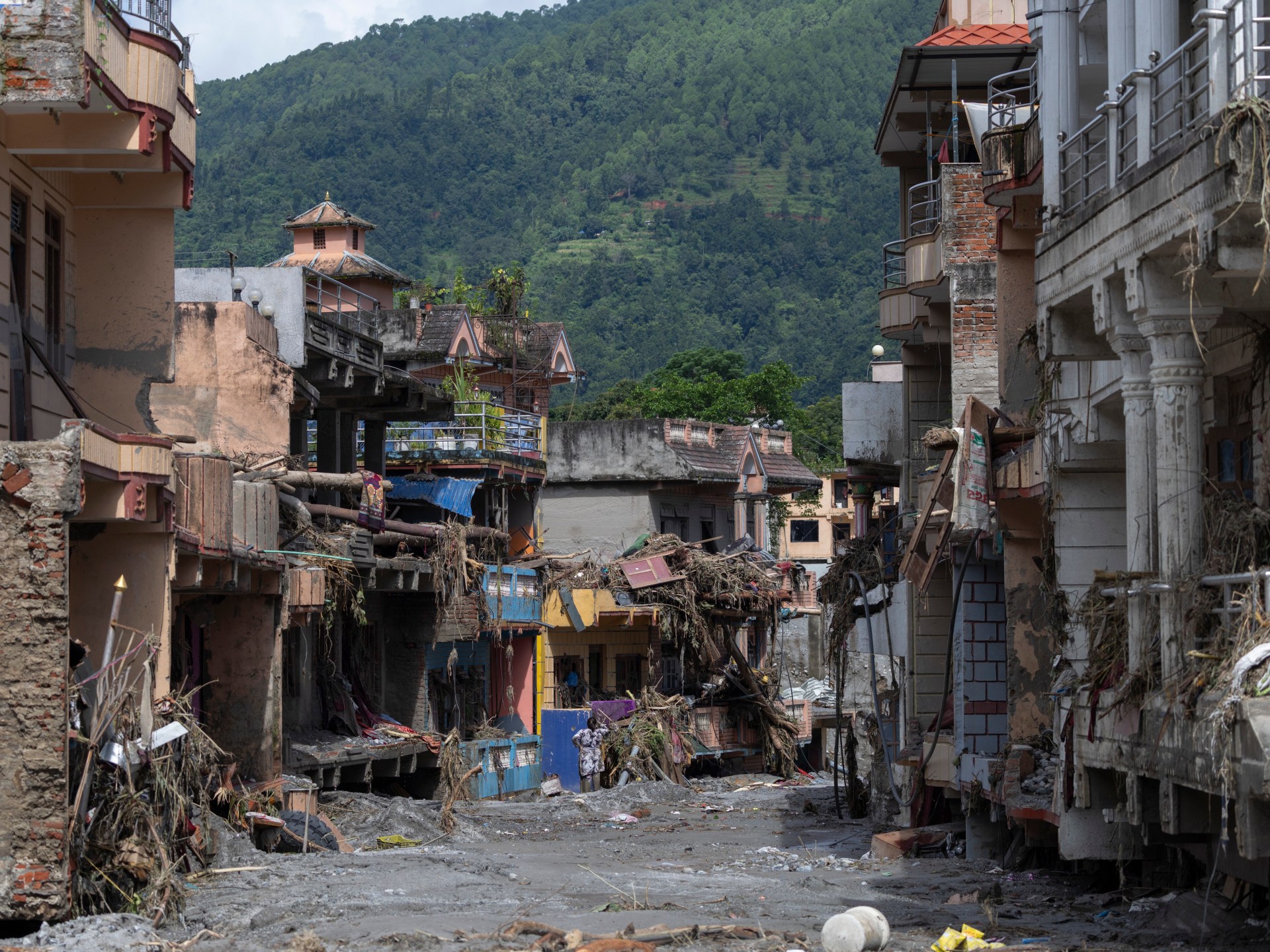
Kathmandu— A devastating flood struck the mountainous Nepal-Tibet border region on Wednesday morning, leaving at least 469 people dead and more than 1,500 missing across both countries. The disaster was triggered by a glacial collapse that sent a massive surge of water and debris into local rivers, engulfing towns and valleys in Nepal’s Rasuwa district and extending into Tibet’s Gyirong county. Initial reports suggested an earthquake may have been responsible, but experts now confirm the floods were caused by a glacier-inclusive flood resulting from an ice-rock avalanche on the Nepali side of the border, with water levels rising as much as 9 metres in just 30 minutes.
The Trigger: Glacial Collapse and Flood Surge
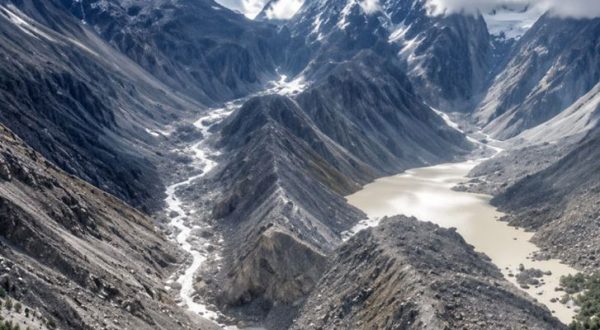
Officials initially considered a magnitude 4.4 earthquake as the potential cause of Wednesday’s floods. However, the United States Geological Survey and other experts determined that the seismic event was actually a consequence of a glacial collapse and subsequent debris flow. A glacial collapse involves the detachment of large masses of glacier ice, rock, and water, forming highly mobile flows. Prakash Pokhrel, a geologist at Nepal’s National Disaster Risk Reduction and Management Authority, confirmed the “glacier-inclusive flood” originated in the Lhende Khola river due to an ice-rock avalanche on the Nepali side.
Widespread Devastation and Rising Toll
As of Friday morning, Nepalese police reported 469 deaths from the floods, with another three confirmed fatalities in Tibet. Authorities are working to identify bodies recovered downstream, utilizing temporary morgues in health and science academies due to overwhelmed local facilities. The Kathmandu Post reported that officials are assigning tag numbers to unidentified bodies for burial purposes. In addition to Nepali nationals, at least 668 tourists from 34 countries were unaccounted for as of Thursday night, many on trekking expeditions. Among the missing tourists were 177 from India, 90 from the United States, and significant numbers from Australia, the UK, and Canada. Approximately 100 Chinese nationals are also among those missing in Nepal.
Rescue Efforts Hampered by Damage
Search and rescue teams face immense challenges due to widespread damage to roads and bridges throughout the affected region. Helicopters have been deployed to search for survivors and deliver emergency supplies, including tents, food, and medicine provided by India, to communities cut off in the rugged terrain. Army spokesperson Raja Ram Basnet stated that over 5,000 army and police personnel are involved in the rescue effort. Rescuers successfully extracted 350 workers and residents trapped in a tunnel at the Upper Trishuli hydropower project. Nepal’s Prime Minister Balendra Shah visited one of the worst-affected districts to assess the situation.
Ongoing Risks and Secondary Hazards
The immediate crisis is compounded by ongoing risks of secondary disasters. On Friday morning, officials in Rasuwa district received notice that a lake had breached its banks, prompting a temporary halt to rescue operations. Chinese state broadcaster CCTV also warned of an overflowing dammed lake upstream of the Gyirong border port, captured in aerial footage showing accumulating water with no visible outlet. Rescuers and residents have been directed to higher ground as authorities fear the lake could burst, triggering further collapses and avalanches.
Authorities continue to monitor the situation closely, focusing on rescue efforts and mitigating the risk of secondary disasters as they work to account for all those missing in Nepal and Tibet.
Originally published on abcnews.com.np.


प्रतिक्रिया दिनुहोस्