

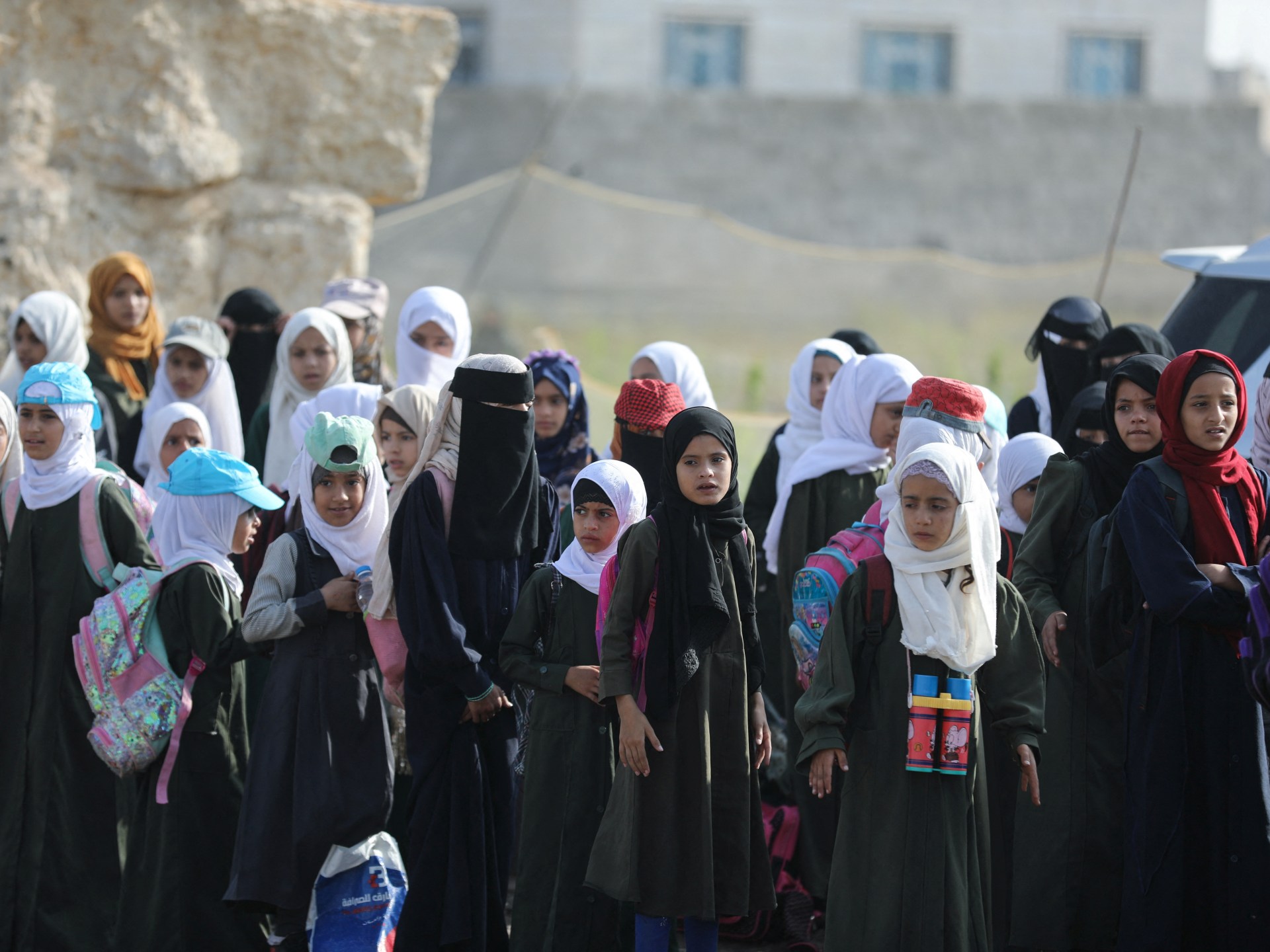
Kathmandu— Yemen’s ongoing conflict has deeply fractured its education system, leaving students facing an uncertain future as the internationally-recognized government in Aden suspended authentication of school certificates from areas controlled by the Houthi rebel group. The decision, made in late July and clarified in early August, stems from the government's inability to access official records needed to verify student credentials, a problem they attribute to the Houthis. This has created a crisis for students hoping to continue their education – particularly those seeking scholarships or university placement abroad – as certificates without both Houthi and government validation are effectively worthless. The situation highlights how Yemen’s decade-long war has not only devastated infrastructure but also deeply divided essential services like education, creating parallel systems with conflicting policies.
Divergent Systems, Uncertain Futures
Bashar Mohammed, a 19-year-old from Sanaa, has been taking extra English classes hoping to secure a scholarship for university abroad. However, he now fears his high school certificate will not be recognized by the Aden government due to its origin in Houthi-controlled territory. Ayman Ahmed, an 18-year-old graduate from Raymah province, echoed this concern, stating that students are being punished for political disputes beyond their control and highlighting the risks of opposing the Houthis. The Ministry of Education in Aden clarified that the suspension doesn’t apply to all years, but access to records remains a key issue.
Collective Punishment and Lack of Coordination
Students and parents feel powerless as they are caught between conflicting authorities. Ayman Ahmed argues that education officials in both Sanaa and Aden should coordinate to resolve data discrepancies, emphasizing that students shouldn’t be victims of political disagreements. The situation is compounded by the emergence of two parallel education systems since 2015 – one run by the Houthis and another by the government – each with differing calendars, curricula, and exam formats. Mohammed Abdu, a sociology researcher at Taiz University, explained that this lack of coordination has a negative impact on Yemeni society.
Widespread Damage and Access Issues
The ongoing conflict has inflicted significant damage on Yemen’s educational infrastructure. According to the United Nations, approximately 2,800 schools have been destroyed or damaged, or repurposed for non-educational uses. This destruction, combined with the political divisions, has resulted in a staggering number of children out of school – more than 6.6 million this year, representing roughly one-third of Yemen’s school-age population. The recent escalation in fighting threatens to further exacerbate these problems, potentially displacing families and damaging additional schools.
Calls for Unity and Prioritization
Aref Naji Ali, an advisor with the Ministry of Education in Aden, acknowledged that the divided education system is a dangerous consequence of the conflict. He stated that education should not be politicized and emphasized the injustice of burdening students with these divisions. While defending the ministry’s decision to suspend endorsement of unverifiable certificates, he placed blame on the Houthis. Ammar Amri, a schoolteacher in Sanaa, expressed anger at the lost opportunities for his students, stating that many have both the ability and resources to study abroad but are now facing shattered dreams.
The future remains uncertain for Yemeni students as the conflict continues to disrupt their education. Resolving the issues surrounding certificate validation and fostering greater coordination between educational authorities is crucial to ensuring access to learning and opportunities for Yemen’s youth.
(With inputs from Al Jazeera)
Originally published on abcnews.com.np.





प्रतिक्रिया दिनुहोस्