

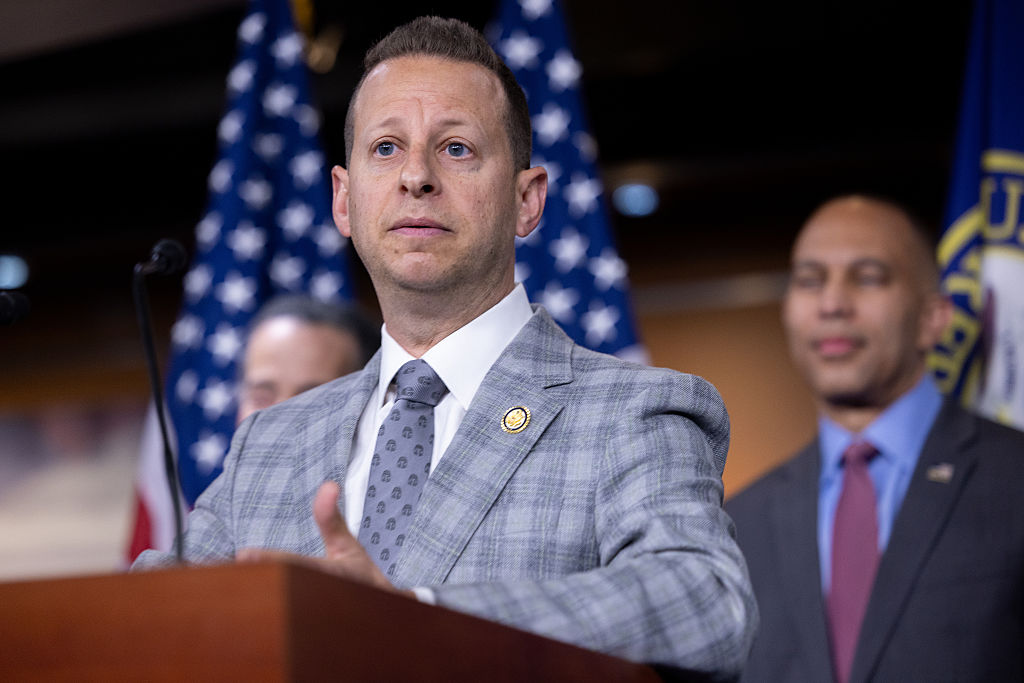
Kathmandu— A growing rift between the Democratic establishment and its base is becoming increasingly apparent, particularly regarding U.S. policy toward Israel and the Middle East. The potential installation of Jared Moskowitz, a staunch supporter of unconditional aid to Israel and a proponent of aggressive foreign policy, into a leadership position on the House Middle East and North Africa subcommittee has ignited criticism from within the party, as it clashes with a Democratic electorate increasingly favoring restrictions on aid and a more critical stance towards Israel.
Voter Sentiment Contrasts With Establishment Choices
Recent polling data reveals a significant disconnect between Democratic voters’ views on Israel and the direction of party leadership. A YouGov poll found that over 60 percent of Democrats in key states support cutting off weapons to Israel and imposing sanctions for its actions. This supermajority stance is at odds with the anticipated appointment of Jared Moskowitz, who has consistently championed unwavering support for Israel despite concerns about human rights violations.
Moskowitz’s Pro-Israel Stance Draws Fire
Jared Moskowitz's record demonstrates strong alignment with the American Israel Public Affairs Committee (AIPAC) and a steadfast defense of Israeli policy. He has opposed ceasefire calls, resisted conditions on U.S. aid, and even voted against halting the delivery of powerful bombs to Israel. Furthermore, he authored resolutions condemning criticism of Israel and supported measures that would punish those boycotting the country. His actions have led critics to suggest he would likely oppose many views held by his own party’s voters.
Support for Trump's Iran Policy Raises Concerns
Beyond Israel, Moskowitz has also aligned himself with policies pursued by former President Donald Trump regarding Iran. He expressed support for the Israeli bombing of Iran and publicly refused to vote for a War Powers Resolution aimed at limiting military action against the country, labeling it an “Ayatollah Protection Act.” He advocated for continued U.S. involvement in the conflict, even suggesting that securing Iranian uranium was a necessary objective.
Leadership Motives Questioned
The decision by House Minority Leader Hakeem Jeffries to elevate Moskowitz despite their differing stances on key foreign policy issues has raised questions about the motivations of party leadership. Some suggest that Democratic leaders may secretly favor hawkish policies but wish to avoid public backlash, using figures like Moskowitz as political cover. This strategy allows them to pursue unpopular positions while maintaining a facade of responsiveness to voter concerns.
Moskowitz’s potential influence over U.S. Middle East policy underscores the internal tensions within the Democratic Party and raises questions about whether leadership will prioritize the views of its voters or continue to align with a more hawkish, pro-Israel agenda.
(With inputs from Jacobin)
Originally published on abcnews.com.np.



प्रतिक्रिया दिनुहोस्