

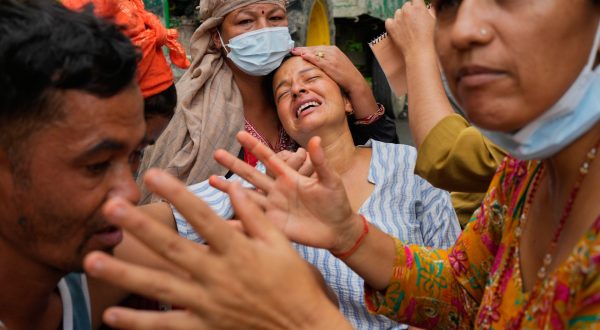
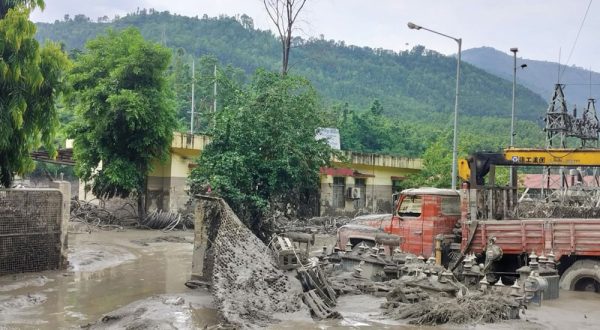
Kathmandu— A sudden surge on August 26 devastated the Rasuwa–Bhote Koshi–Lhende corridor, damaging homes, infrastructure, and livelihoods. Preliminary assessments suggest that an ice-rock avalanche or glacier-related collapse may have contributed to the event. The incident highlights the need for better understanding of natural hazards and improved community preparedness in Nepal.
Vulnerable Landscape
The disaster underscores how rapidly interconnected Himalayan hazards can cascade from ice and rock to water, sediment, infrastructure, and human settlements. While it is impossible to prevent every earthquake or landslide, the location of settlements and infrastructure can influence who and what are exposed to these risks. Development must understand the landscape in which it takes place.
Technology and Community Preparedness
Nepal has sophisticated weather forecasting, river monitoring, satellite observation, remote sensing, hydrological modeling, and emergency communication systems. However, technology becomes protection only when it reaches people in time and enables them to act. Communities need clear evacuation routes, safe locations, reliable communication, and practical arrangements for assisting vulnerable groups.
Infrastructure Planning
Roads, bridges, hydropower facilities, settlements, and urban expansion should be planned with geology, hydrology, changing rainfall patterns, sediment movement, slope stability, and cascading hazards in mind. Infrastructure should be treated as an interconnected system to prevent disruptions far beyond the damaged structure.
Resilience Beyond Physical Hazards
Disaster can leave communities facing contaminated water, disrupted medicines, infectious diseases, food insecurity, displacement, psychological trauma, interrupted education, and prolonged economic hardship. Social protection and livelihood recovery should be integrated into disaster planning, particularly for households already living with economic insecurity.
The deeper lesson from the Rasuwa disaster is to learn to live with nature by designing development around the realities of the landscape. The goal is not only to rebuild but also to do so in a way that reduces future risks and enhances community resilience.
(With inputs from RN)
Originally published on abcnews.com.np.



प्रतिक्रिया दिनुहोस्