

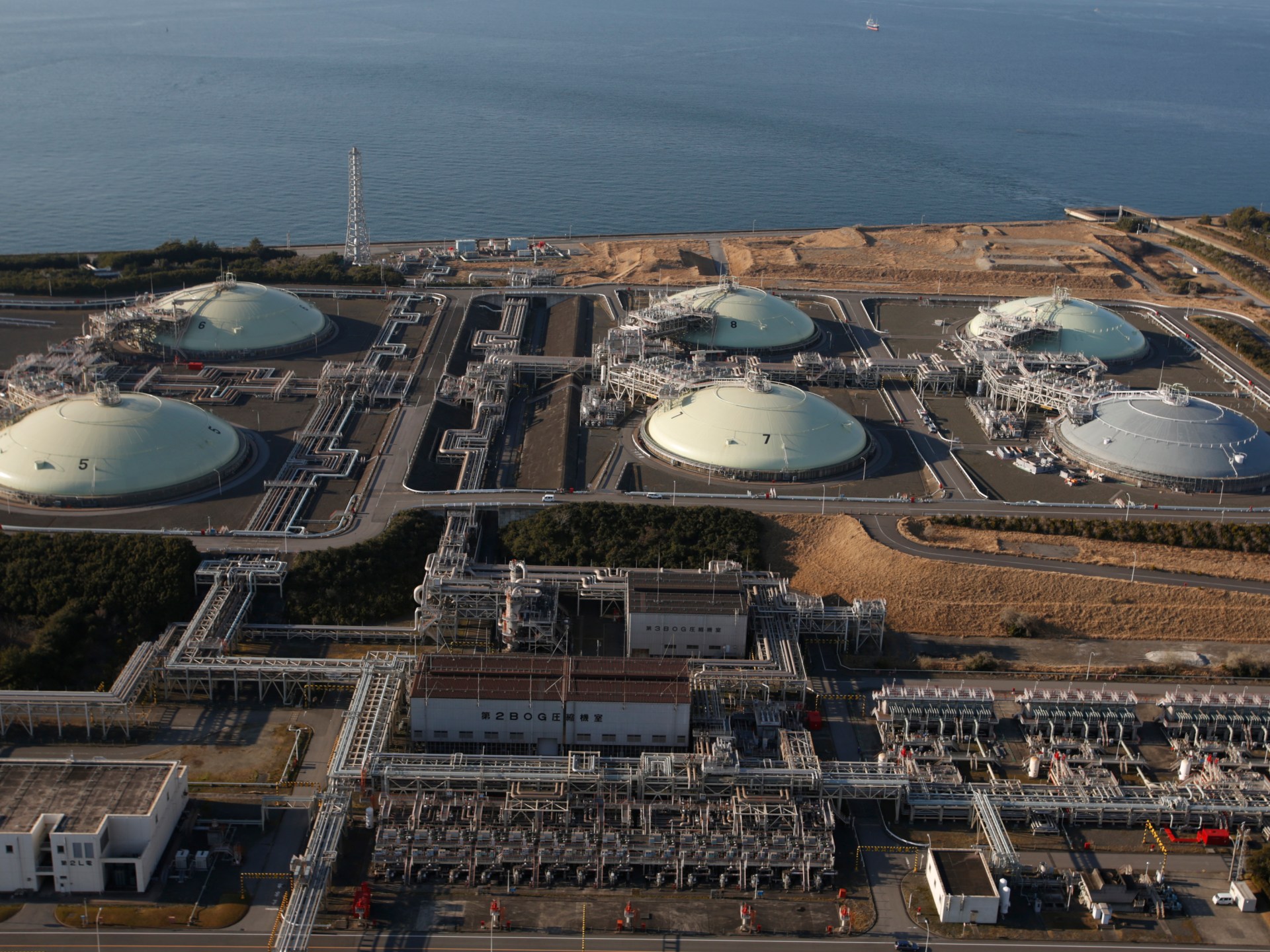
Kathmandu— Following a six-month conflict between Iran and the United States that severely disrupted global energy flows through the Strait of Hormuz, Asian countries are rapidly expanding their local oil and gas storage capabilities. This move aims to reduce reliance on imported fuels and minimize economic fallout from future crises. Countries like Japan, India, Thailand, and the Philippines have announced significant investments in strategic reserves and infrastructure projects.
Japan's POWERR Asia Initiative
Japanese Prime Minister Sanae Takaichi has launched the $10bn POWERR Asia initiative to help Southeast Asian economies procure oil and petroleum products and build up strategic stockpiles. Japan, with one of the world’s largest strategic oil reserves, is encouraging its neighbors in Southeast Asia to follow suit.
Strategic Reserves Across Asia
Thailand has plans for new crude pipelines and tank farms, while the Philippines approved a bill to create a 60-day government-held reserve. India’s state-owned Oil and Natural Gas Corporation is building an additional 1.75 million metric tonnes of oil reserves in the country's south.
Direct Storage Deals with Gulf Suppliers
Japan, South Korea, and Singapore are exploring storage deals directly with Middle Eastern countries to locate supplies closer to their shores. The United Arab Emirates' ADNOC is aiming to raise its crude oil storage capacity in India to 30 million barrels.
China's Energy Security Investments
China, the world’s second-biggest consumer of oil after the US, is accelerating construction on nearly 40 oil and gas projects, including expanding LNG storage. The latest five-year plan includes provisions for more pipelines and expanded deep-water drilling.
(With inputs from Al Jazeera)
Originally published on abcnews.com.np.




प्रतिक्रिया दिनुहोस्