

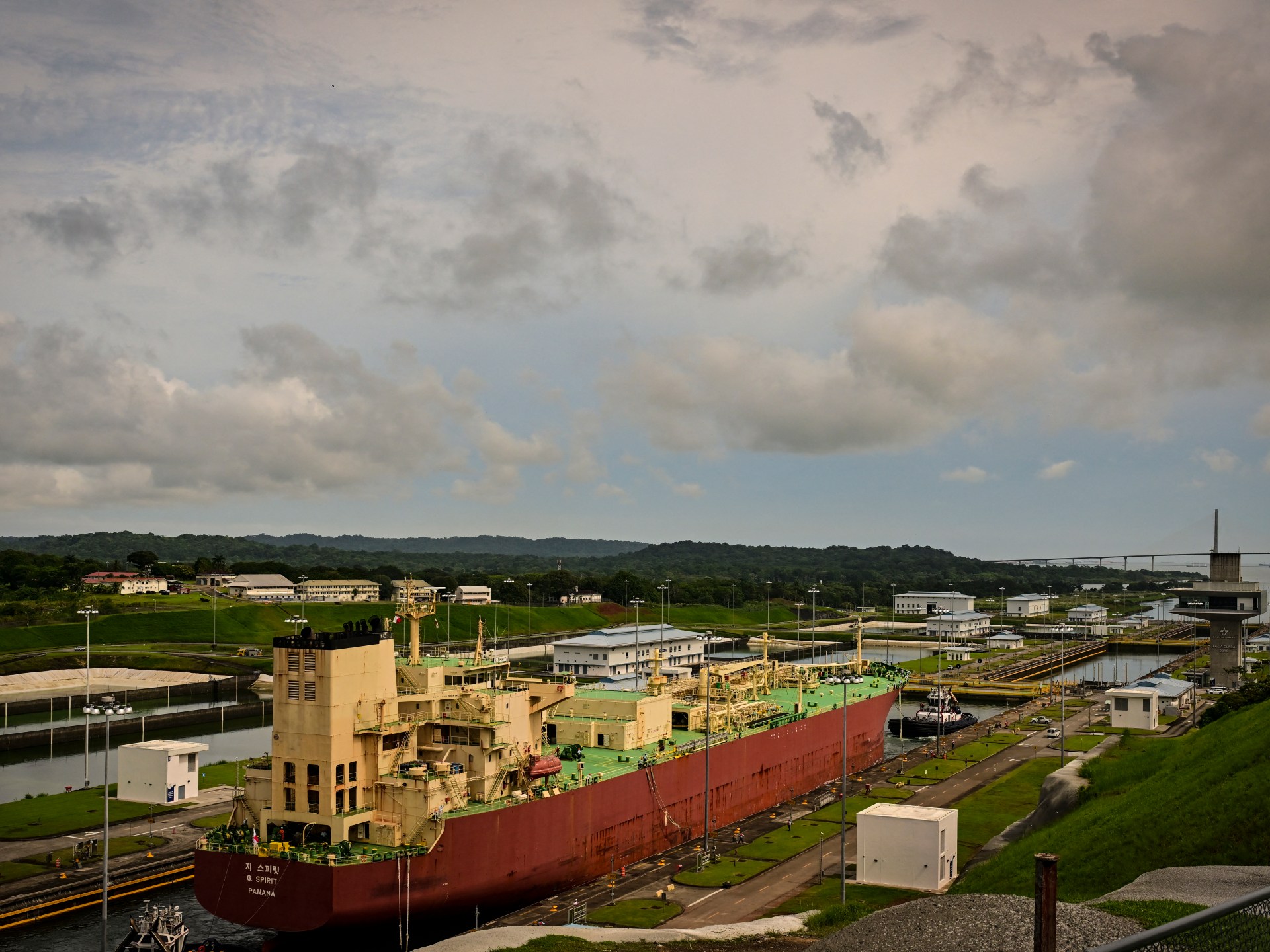
Kathmandu— Starting this week, the Panama Canal Authority has restricted the number of vessels permitted to pass through the canal daily from up to 40 to a maximum of 34, with further reductions planned for September. The restrictions are due to low water levels caused by El Niño weather conditions and could lead to shipping delays and higher freight costs. This comes as global trade routes have been disrupted by the ongoing crisis in the Strait of Hormuz.
Restrictions Details
From Thursday, only 34 vessels will be allowed to pass through the canal daily, dropping further to 32 on September 15. The Panama Canal Authority has already implemented other water conservation measures, such as lowering the maximum draft for larger ships due to reduced rainfall in the region.
Impact on Global Trade
The Panama Canal handles about 5 percent of global maritime trade and is crucial for US container traffic. In 2024, $270 billion worth of cargo passed through the canal, with this year seeing an increase to 5 percent of all global sea trade. The Hormuz crisis has driven more traffic towards the Panama Canal as countries seek alternative oil supplies from North and South America.
Economic Consequences
The new restrictions have already led to a bidding war for transit slots, with average auction prices jumping three-fold. A South Korean ship recently paid a record $5.3 million to pass through the canal on September 1. Niels Rasmussen of BIMCO predicts that reduced cargo capacity and higher auction prices will push freight rates up, particularly affecting container cargo moving from Asia to the US’s east coast and LPG exports from the US Gulf.
(With inputs from Al Jazeera)
Originally published on abcnews.com.np.





प्रतिक्रिया दिनुहोस्