

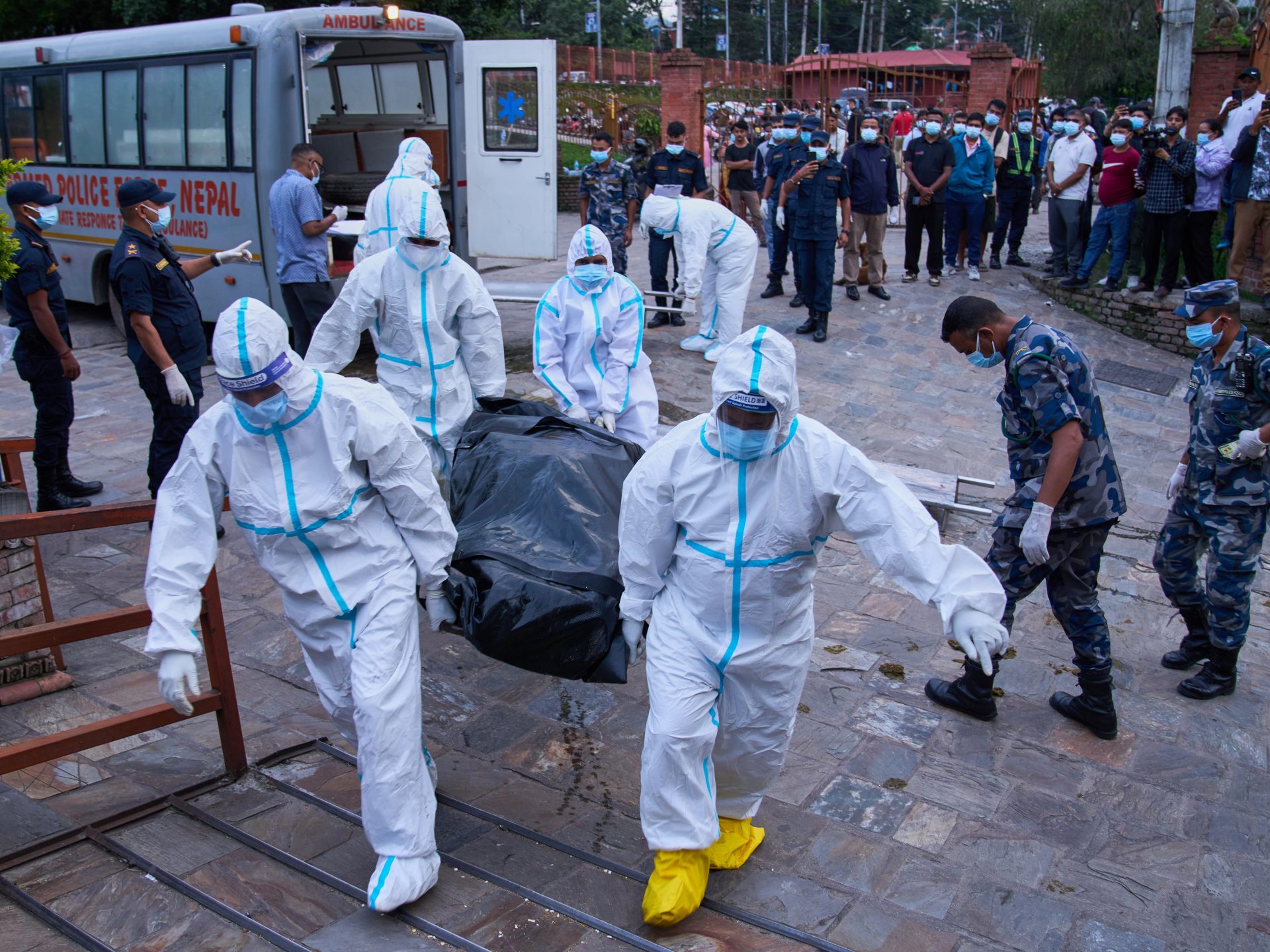
Kathmandu— Forensic experts in Nepal are using DNA testing to identify bodies of flood victims following a glacial collapse near Langtang Lirung mountain peak that triggered devastating floods, killing over 1,270 people and leaving more than 4,700 missing, with authorities urging relatives to provide blood samples for comparison.
DNA Identification Process Explained
Forensic teams in Nepal are working to identify bodies that have been rendered unrecognizable due to decomposition and water submersion following the glacial collapse disaster. According to Al Jazeera's report from Kathmandu, many bodies were found in such advanced states of decomposition that visual identification through tattoos or jewelry was impossible, making DNA testing essential for accurate identification.
Kerstin Montelius, a molecular biologist at Sweden's National Board of Forensic Medicine, explained that DNA can be extracted from bone even after most tissue has decomposed, though DNA degradation remains a challenge. "Visual identification might be impossible at an early stage of the process, with confusion as a result," Montelius noted, while cautioning that "DNA degrades, too, and circumstances set the decisions."
The process involves comparing DNA profiles from unidentified remains with those collected from relatives of missing persons, using blood samples from first-degree relatives such as parents, children, or siblings.
Indian and Chinese forensic teams are assisting Nepal's efforts, with India sending a 19-member team to collaborate at Nepal Police Central Forensic Science Laboratory, while China has dispatched additional DNA identification experts and emergency relief supplies.
(With inputs from Al Jazeera)
Originally published on abcnews.com.np.


प्रतिक्रिया दिनुहोस्