

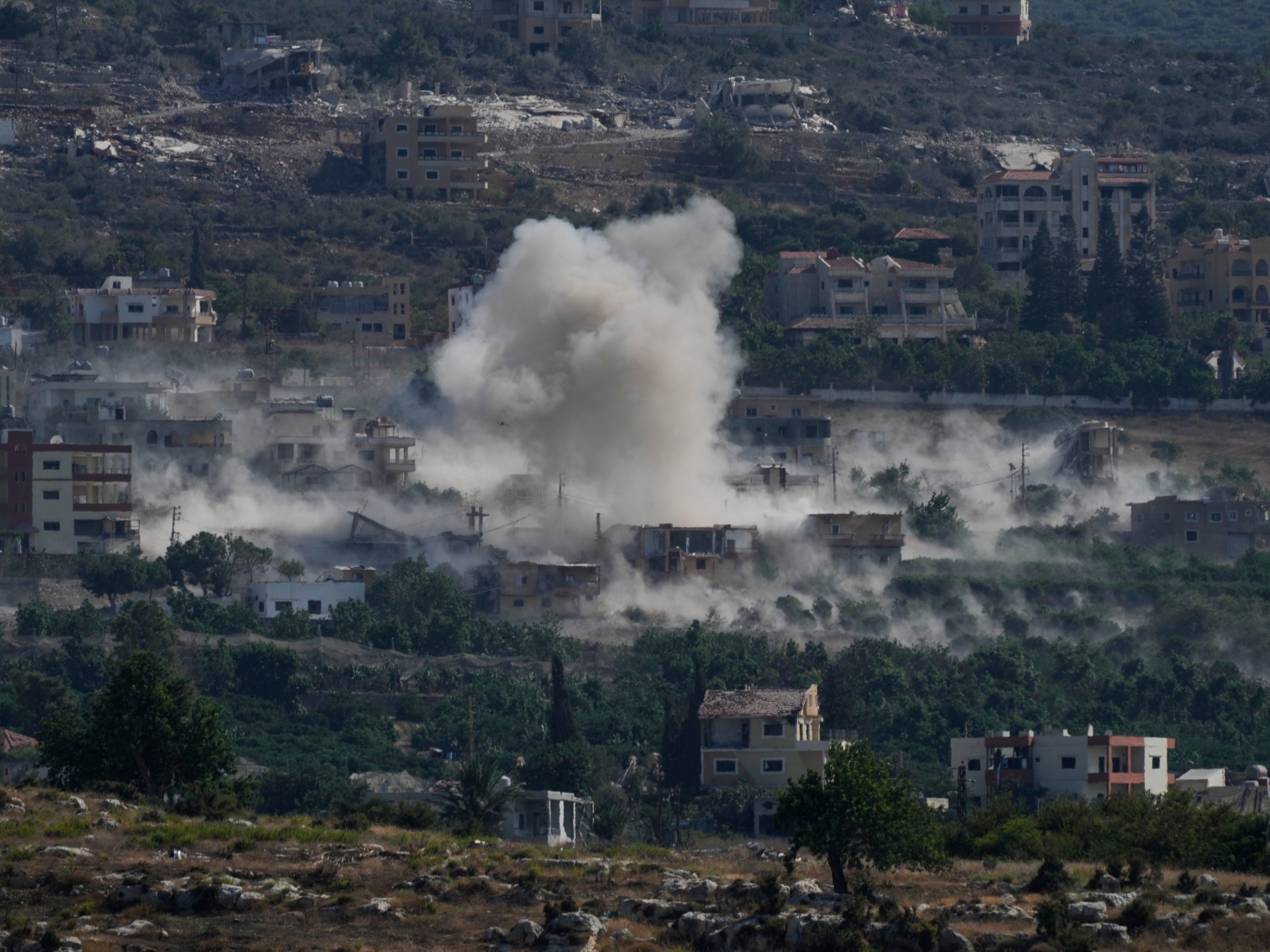
Kathmandu— Israeli airstrikes targeting a motorcycle in the Lebanese town of Kfar Reman killed two people, according to Lebanon's Ministry of Public Health, as Israeli military operations across southern Lebanon continue despite two truce agreements mediated by the U.S. government, with attacks hitting multiple towns and villages in the Tyre and Nabatieh districts.
Truce Agreements Under Strain
Despite two truce agreements mediated by the U.S. administration—on June 4 and June 26—Israeli attacks persist across southern Lebanon, with the latest strike in Kfar Reman marking a significant escalation. The June 4 ceasefire required a 'complete cessation' of Hezbollah fire and the evacuation of fighters south of the Litani River, while the June 26 framework tied Israeli withdrawal to Hezbollah's disarmament, neither of which have been fully implemented.
Lebanon's National News Agency reported that Israeli forces intensified operations in Nabatieh near the Ali al-Taher ridge, which Israel claims to have captured, though Hezbollah has not confirmed the loss. The military stated it cleared Hezbollah fighters from tunnels under the ridge, a strategic area overlooking a contested region that has become a focal point of the conflict.
Widespread Military Operations
Israeli raids and artillery shelling targeted seven towns in the Tyre and Nabatieh districts, including al-Mansouri, Majdal Zoun, Buyout al-Sayyad, Beit Lif, Srebbine, Zawtar al-Sharqiyah, and Mayfadoun, though no casualties were reported in these areas. The military also claimed to have intercepted a Hezbollah drone beyond the 'Yellow Line,' a security zone Israel has asserted, vowing to strike southern Lebanon in response.
The attacks follow a broader escalation that began on March 2, when Israel launched a new campaign against Hezbollah after the group retaliated for U.S.-Israeli air strikes that killed Iranian Supreme Leader Ayatollah Ali Khamenei. Since then, Israeli operations have killed over 4,000 people, injured at least 12,000, and displaced more than one million Lebanese citizens, according to Lebanese authorities.
Humanitarian Impact
The ongoing conflict has forced over one million people from their homes in southern Lebanon, with widespread destruction of infrastructure and daily disruptions to civilian life. Israeli forces have expanded their military presence across the region, intensifying operations that have left communities in a state of constant fear and uncertainty.
In a separate development, Israeli authorities released four Lebanese civilians held in Israeli prisons, transferring them to Lebanese authorities via the International Committee of the Red Cross. This follows the release of one Lebanese man the previous day, as part of an agreement between the two nations aimed at easing tensions.
The situation remains volatile, with no immediate end to the violence in sight as both sides continue to escalate their military actions despite diplomatic efforts.
(With inputs from Al Jazeera)
Originally published on abcnews.com.np.


प्रतिक्रिया दिनुहोस्