

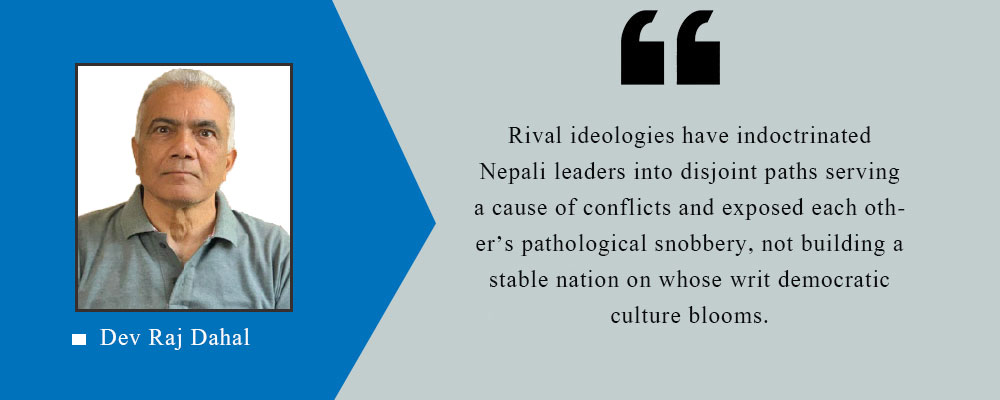
Kathmandu— Nepali political life faces mounting scrutiny as citizens and scholars analyze the gap between campaign promises and policy delivery, with unmet commitments fueling public disillusionment and calls for institutional reform in a democracy still navigating its post-conflict identity.
The Promise-Delivery Gap
Nepalis increasingly judge political leaders based on whether campaign pledges are fulfilled, with scholars and journalists closely tracking the discrepancy between rhetoric and reality. The source notes that political promises "are packed with sober insights and hope that keep political life exhilarating," but when unmet, they "spike beyond the adequate means of the state," creating "inconceivable" consequences. Many revolutionary leaders have been "devoured by the credibility gap between a litany of promises and little delivery," leaving over 20 percent of the population below the poverty line with "wounded dignity."
Political thinker Hannah Arendt's perspective is cited, emphasizing that politics should not merely administer but actively practice freedom, living together in common space, and sharing diverse views. The source argues that "the rebellious spirit of youth seeks to make political life attuned to the public goods," indicating a growing demand for leaders to align promises with tangible outcomes.
As Nepal's political landscape evolves, the challenge remains to transform political promises into sustainable governance that addresses both immediate needs and long-term democratic development.
(With inputs from RN)
Originally published on abcnews.com.np.

प्रतिक्रिया दिनुहोस्