

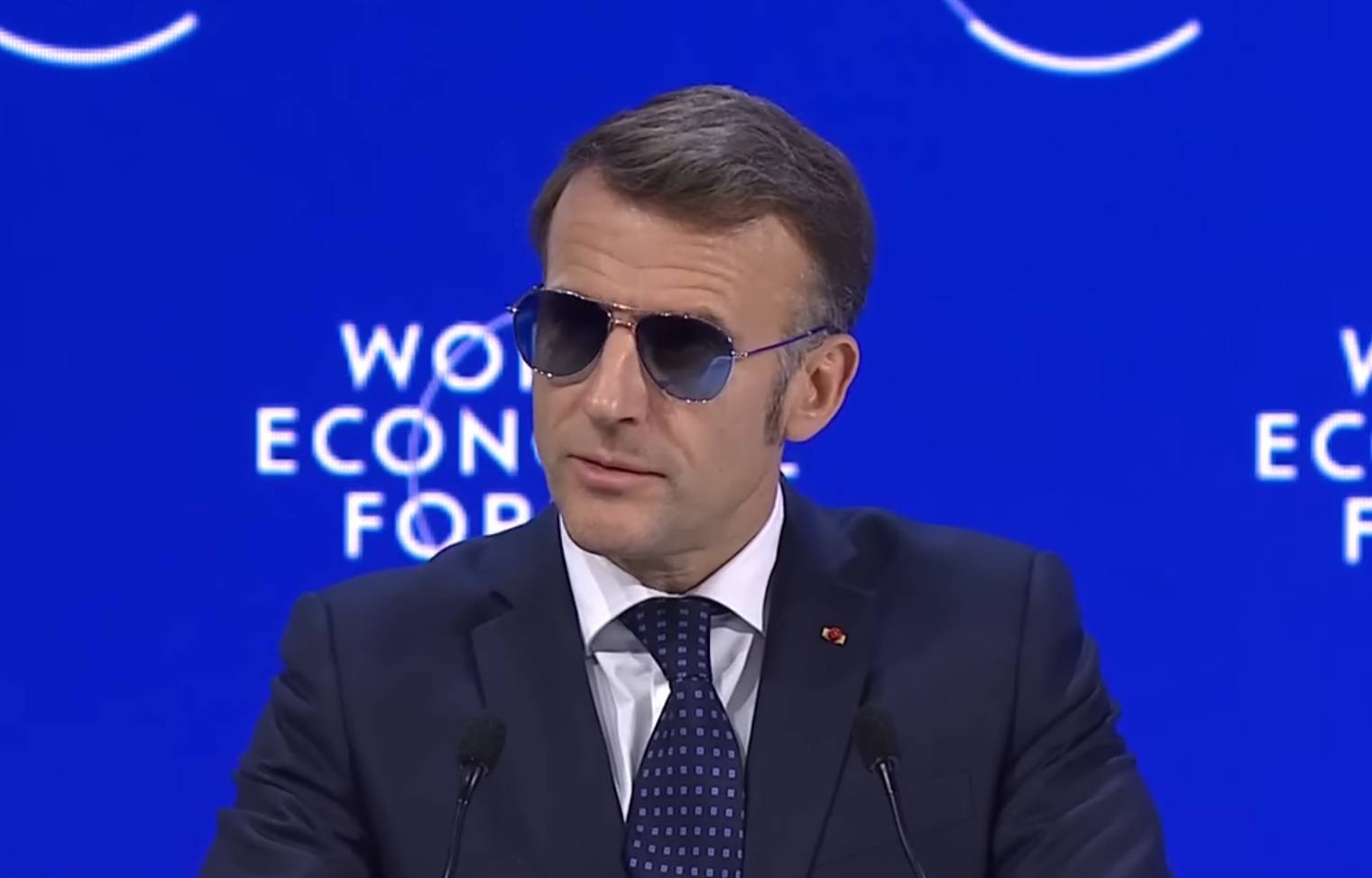
Kathmandu— French President Emmanuel Macron is leaving the Élysée Palace in eight months, facing a barrage of criticism that contrasts sharply with the deference he received during his tenure. Critics, including The Economist and former advisor Alain Minc, have labeled him as the 'worst president' of the Fifth Republic, citing his failure to maintain French diplomatic independence and his economic policies that have led to increased corporate influence and social inequality.
Criticism from Political Analysts and Media
The Economist, which once hailed Macron as the 'saviour of Europe,' now mocks him as a 'lame duck' president. Alain Minc, a former advisor, has called him 'the Fifth Republic’s worst president,' reflecting a growing consensus among political analysts and media outlets that Macron’s presidency has been a disappointment. The criticism stems from his failure to maintain French diplomatic independence, as evidenced by the adoption of policies from other nations such as Kyiv’s Russia policy, Washington’s Venezuela policy, Abu Dhabi’s Iran policy, and Berlin’s trade policy. Additionally, his economic policies have been criticized for stripping the social security system of its ability to provide for citizens and turning public services into a nightmare for employees and users.
Economic Policies and Corporate Influence
Macron’s economic policies have been described as a 'virtuoso exponent of the liberal, Atlanticist extreme centre,' but critics argue that these policies have played out of time. His supply-side strategy, which was discredited by the resurgence of sovereignty and economic planning, has failed to address unemployment and stagnant growth. The trade deficit remains high, and almost half of France’s consumption-based carbon footprint is generated abroad. Furthermore, the public finance deficit has been used to justify a shortage of firefighters and firefighting aircraft. The government has also allowed speculative funds to control thousands of businesses, including some of the country’s most prestigious companies, leading to record dividends for shareholders.
Loss of Diplomatic Independence
Macron has been accused of stripping French diplomacy of its independence, adopting policies from other nations and abandoning its own. For instance, Paris has adopted Kyiv’s Russia policy, Washington’s Venezuela policy, Abu Dhabi’s Iran policy, and Berlin’s trade policy. The country no longer has an Africa policy, as the Sahel states have sent its army packing. This loss of independence has been further exacerbated by the appointment of a reactionary Defender of Rights, François-Noël Buffet, and government support for a presumption that police officers act in legitimate self-defence, which has eroded civil liberties.
Failed Political Predictions
Macron’s political predictions have also been called into question. In 2017, he said he would do everything to ensure that Marine Le Pen’s voters no longer had any reason to vote for the extremes. However, two terms later, Le Pen remains a frontrunner for the 2027 presidential election, indicating that Macron’s efforts to neutralize the far-right have been unsuccessful. The criticism also extends to his handling of the Ukraine crisis, which is intended to reunite his camp and boost Europe’s defence industry, but comes with the risk of triggering massive German rearmament or a confrontation with Russia.
Macron’s presidency is ending with a headlong rush on two fronts: the Ukraine crisis and the erosion of civil liberties. The future of French politics and policy remains uncertain as the country prepares for the 2027 presidential election.
(With inputs from CounterPunch)
More from the source

Originally published on abcnews.com.np.





प्रतिक्रिया दिनुहोस्