


Kathmandu— Persistent rainfall and landslides during the monsoon season have severely impacted vehicular movement on major highways across Nepal. The BP Highway, devastated by floods in 2024, remains unrepaired, while other sections like Khurkot Nepalthok–Katunjebeshi and Kanti Lokpath are closed to traffic at night due to safety concerns. This annual disruption underscores the fragility of road infrastructure and inadequate disaster preparedness.
Disrupted Transportation Routes
The BP Highway, a crucial link between eastern and western Nepal, has been severely affected by landslides and floods since the monsoon season began. The Khurkot Nepalthok–Katunjebeshi section is closed from 6:00 pm to 4:00 am daily due to safety concerns. Similarly, traffic on the Kanti Lokpath between Ilam Municipality-9 has been suspended from 5:00 pm to 5:00 am. The Mechi Highway in Ilam Municipality is completely closed after continuous rainfall turned it muddy and unsafe for vehicles. Landslides have also blocked the Araniko Highway at Zero Kilo and Kodari, further exacerbating travel difficulties.
Economic Impact
The disruption of major highways has significant economic consequences for Nepal, which relies heavily on transportation for agricultural goods and tourism. The blockage of these routes leads to shortages of essential goods in cities like Kathmandu and disrupts the supply chain for businesses. This situation also hampers tourism, a key sector for the country's economy. As one expert noted, “When major highways are disrupted during monsoon, it not only affects local commerce but also tarnishes Nepal’s reputation as a safe travel destination.”
Need for Long-Term Solutions
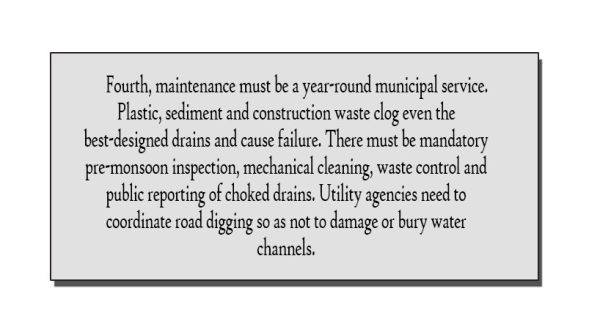
While emergency response efforts by the Department of Roads and security forces help clear roads quickly after blockages occur, these measures are insufficient. The government must focus on building climate-resilient infrastructure to address recurring issues. This includes proper geological assessments, construction of drainage systems, and slope stabilization measures. Haphazard blasting during road construction has made mountains more susceptible to landslides, exacerbating the problem. Improved early warning systems and real-time information dissemination have helped authorities mobilize resources before disasters escalate.
The recurring disruptions highlight the urgent need for sustainable solutions that can withstand future monsoon seasons.
(With inputs from Rising Nepal)
Originally published on abcnews.com.np.


प्रतिक्रिया दिनुहोस्