

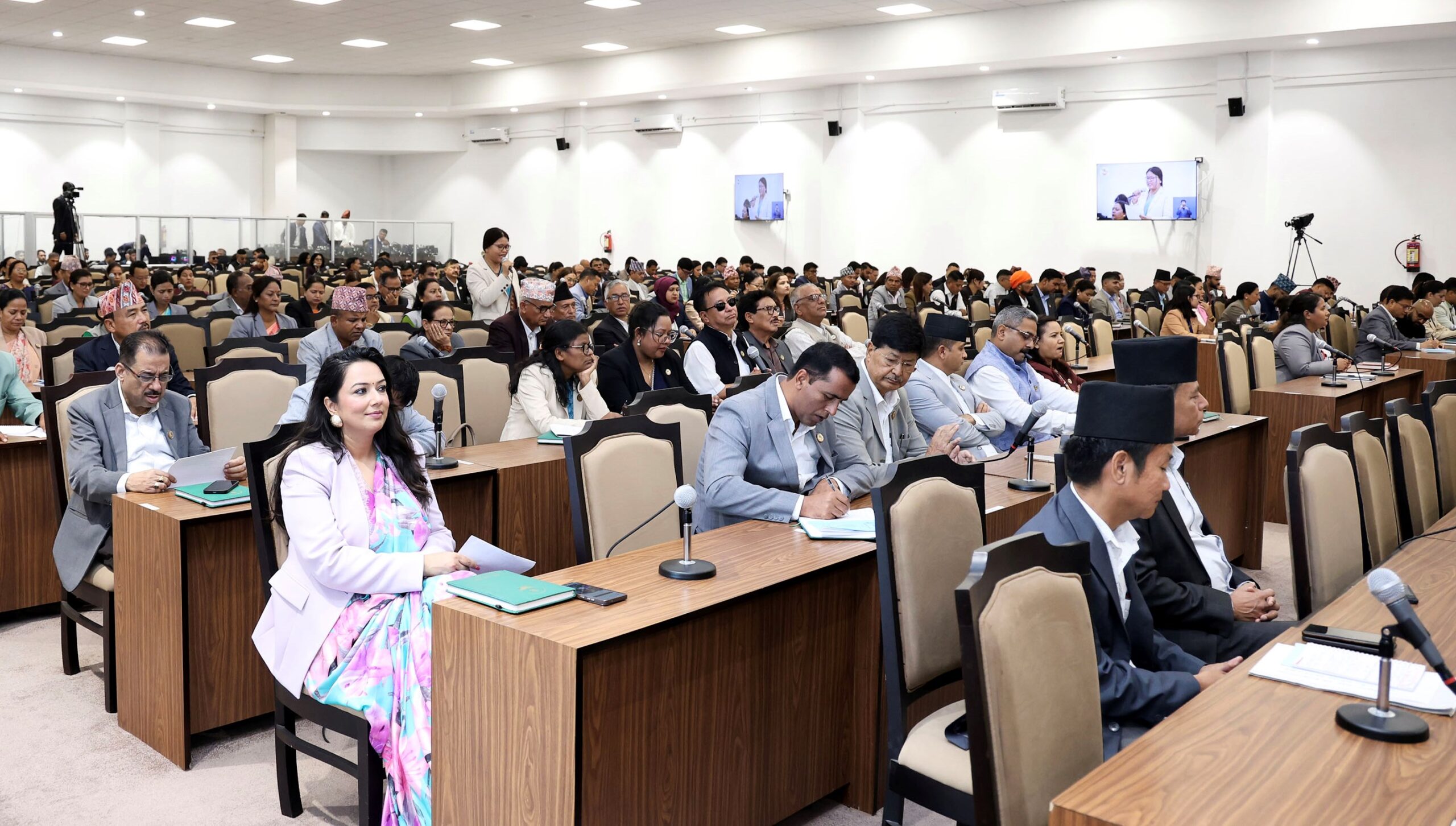
Kathmandu— Nepal, an ancient land steeped in mythology and spiritual significance, now struggles to find stability as it transitions from a monarchy to a young republic. The country’s recent history is marked by political upheaval, corruption, and conflict, leaving many questioning the path forward. As a nascent government takes charge, it must address deep-seated issues that threaten national unity.
Historical Context
Nepal’s history is rich with mythological tales of divine beings and enlightened rulers like Prince Siddhartha, who became the Buddha. However, these stories contrast sharply with the country’s more recent past, which has been marred by political instability, corruption, and a decade-long insurgency that claimed thousands of lives and caused significant infrastructural damage. The transition from a constitutional monarchy to a republic in 2008 brought hope but also ushered in a period of institutionalized policy-level corruption and bad governance.
Recent Political Turmoil
Last year’s youth-led movement marked another significant shift, ending the rule of the Troika—a coalition that had been in power for years. The movement led to national elections that brought a new party into power, but this inexperienced government now faces immediate challenges. Parts of the country are already witnessing unrest and conflict, raising questions about who is exploiting Nepal’s ethnic, religious, social, and political diversity as faultlines.
Nepali people hope that the youthful government will manage to address these issues before they escalate further.
Originally published on abcnews.com.np.




प्रतिक्रिया दिनुहोस्