

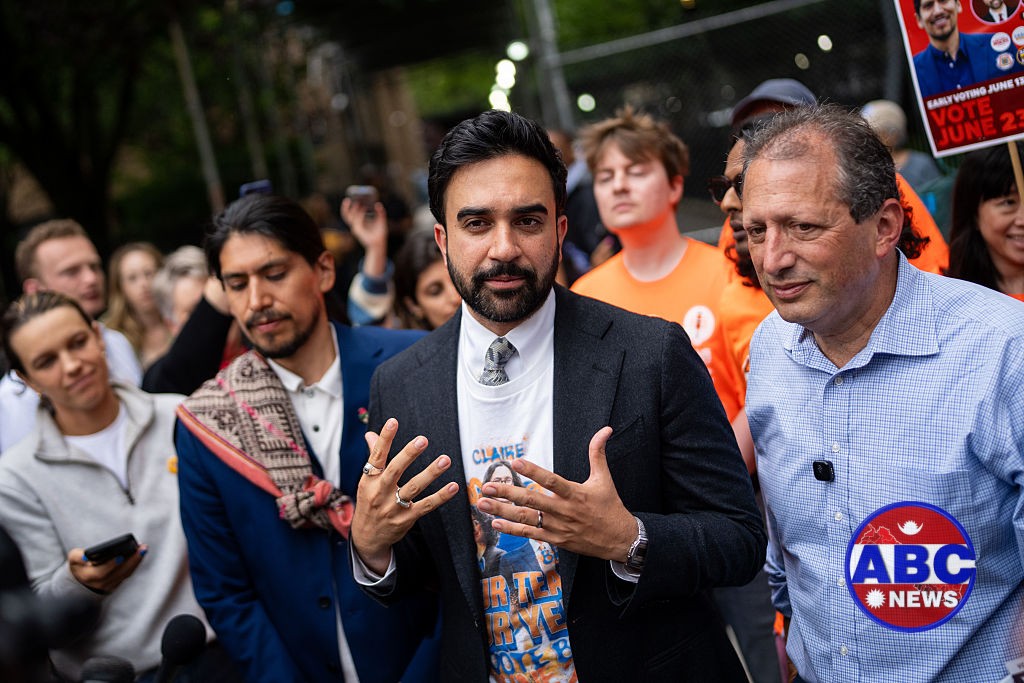
Kathmandu— Centrist Democrats are downplaying recent progressive victories in New York City by attributing them to low voter turnout and gentrification. However, these explanations fail to account for deeper political shifts within the city's electoral system, where long-standing incumbents have relied on a small base of support while most residents remain apathetic.
Election Results in Assembly District 54
In New York City’s Assembly District 54, covering Bushwick and Cypress Hills in Brooklyn, the Democratic Socialist candidate Christian Celeste Tate won against incumbent Erik Dilan in 2026. This victory came after a narrow loss by DSA candidate Samy Nemir Olivares in 2022. The number of votes for Dilan remained relatively stable at around 2,500 between these two elections, while the DSA vote nearly doubled from approximately 2,300 to over 4,000. This surge in support for Tate highlights a significant shift in voter sentiment within the district.
Implications of Low Turnout and Gentrification
Centrist Democrats argue that low turnout and gentrification explain the DSA's success. However, these factors do not fully capture the dynamics at play. Despite a demographic shift due to gentrification, Dilan maintained his support among homeowners in Cypress Hills who are less affected by rising rents. The increase in votes for Tate suggests an awakening of political engagement among younger residents and long-standing community members who felt disenfranchised.
The establishment's reliance on a small voter base has been sustained through campaign funding from lobbyists and real estate interests, as well as restrictive ballot access rules that limit challengers. This system has allowed incumbents to maintain power with minimal opposition for decades.
Challenges for the Establishment
The DSA's ability to mobilize additional voters challenges the established political order in New York City. The establishment’s response, rather than addressing these shifts and engaging more voters, has been to dismiss new participants as outsiders or newcomers. This approach reflects a system that thrives on low voter turnout and apathy.
As one commentator noted, 'We don’t want nobody nobody sent.' This sentiment underscores the reluctance of entrenched politicians to adapt to changing demographics and political sentiments.
(With inputs from Jacobin)
Originally published on abcnews.com.np.






प्रतिक्रिया दिनुहोस्