

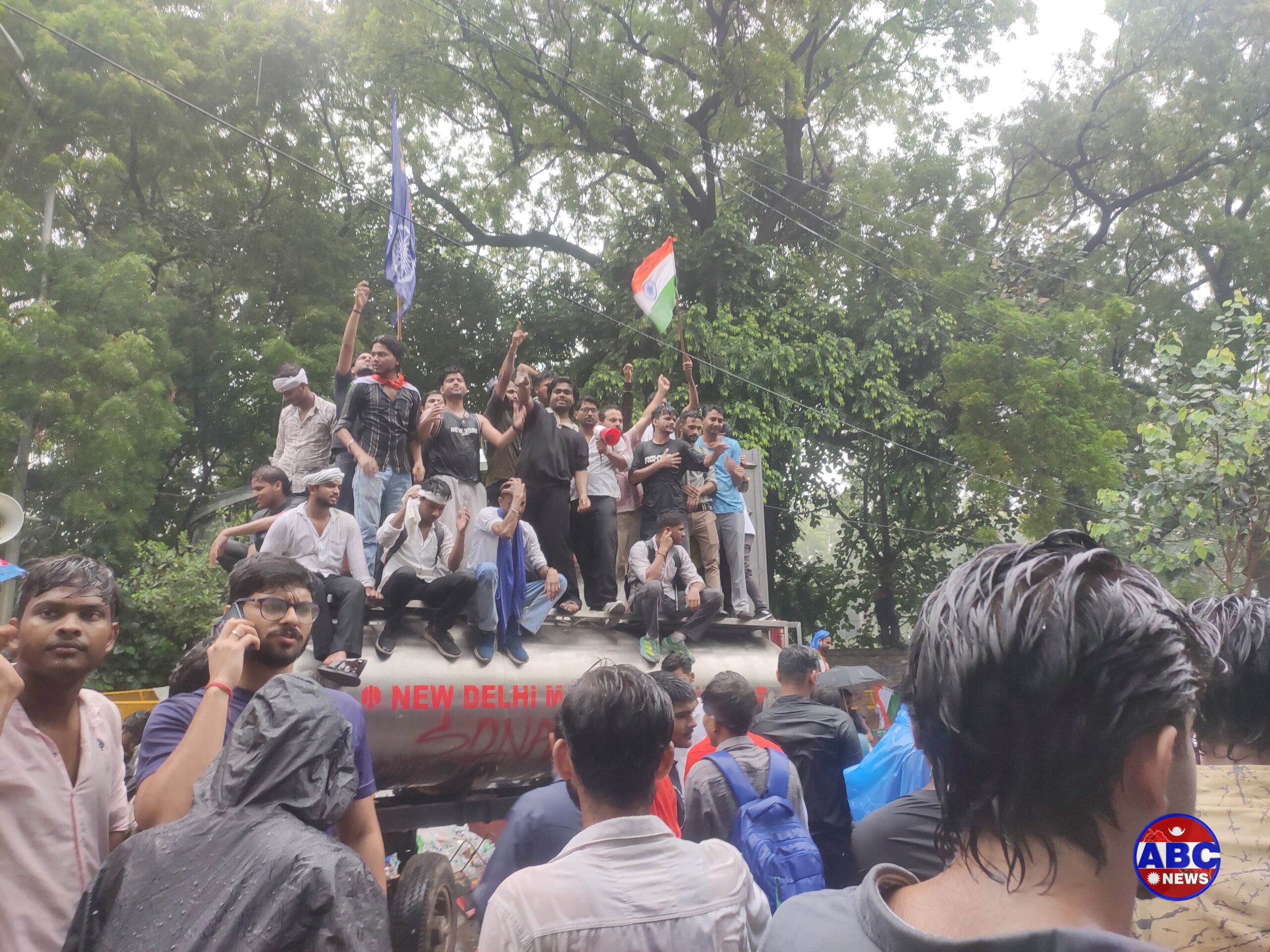
Kathmandu— In recent months, young people across India have made international headlines for mass protests against the recurring leaks of entrance exams that help students qualify for medical schools and coveted government jobs. The Gen Z-led movement won a significant victory when Education Minister Dharmendra Pradhan resigned on July 25, 2026, in response to their demands.
Triggering Incident
The student protests were sparked by an inadvertent insult from India’s Supreme Court Chief Justice Surya Kant. In May, he referred to unemployed Indian youth as parasites and cockroaches, a comment that resonated with Abhijeet Dipke, a young man in Boston who graduated from Boston University with a master’s degree in public relations. Dipke posted the question on X: “What if all the cockroaches come together?” This led to the creation of an Instagram account under the banner of the Cockroach Janta Party (CJP), which quickly gained tens of millions of followers.
Rapid Mobilization
The CJP’s online presence soon translated into physical protests. Ahilya Majithia, a reporter based in New Delhi, documented the movement's rapid growth and noted that it began as an online protest but quickly spread to public spaces. “It’s one of the most competitive exams in India,” she said during an interview with me. “People study for years to just give this exam.” As anger grew over the NEET medical entrance exam leaks, Dipke flew from Boston to Delhi and led marches, gathering support across various states including Assam, Maharashtra, West Bengal, and Bihar.
Government Response
Despite initial resistance, the protests pressured the government into action. “This protest gave people the sense of power that we can fight the government to change certain things,” said Majithia. The movement’s demands included the resignation of Education Minister Dharmendra Pradhan and financial restitution for families of students who committed suicide due to exam stress. After weeks of demonstrations, Pradhan resigned, marking a significant victory for the protesters.
Future Challenges
With the immediate demands met, the CJP is now negotiating with the Modi government over long-term education and examination reforms. Saurav Das, the party’s main spokesperson, is in talks to address issues such as more stringent testing standards and better compensation for impacted students. However, broader economic challenges remain unresolved. A report by Azim Premji University highlights that while 5 million graduates are added each year, only around 2.8 million find employment, raising questions about the future prospects of India’s youth.
The CJP has offered young people an outlet for their frustrations and a platform to flex their power. As negotiations continue, it remains to be seen whether this movement can address the larger economic challenges facing Gen Z.
(With inputs from CounterPunch)
Originally published on abcnews.com.np.
प्रतिक्रिया दिनुहोस्