

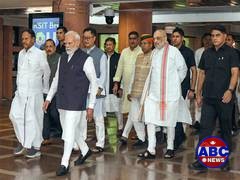
Kathmandu— On Wednesday, Prime Minister Narendra Modi commemorated seven years since the abrogation of Articles 370 and 35A, marking a 'decisive new chapter' for Jammu and Kashmir (JK) and Ladakh. Since then, these regions have seen substantial progress in infrastructure, education, healthcare, entrepreneurship, and social empowerment.
Historic Constitutional Changes
In August 2019, the Central government led by Prime Minister Modi repealed Article 370 of the Indian Constitution. This action effectively ended J&K's special status and divided it into two Union Territories: Jammu and Kashmir and Ladakh. PM Modi emphasized that this move marked a new era for these regions.
Empowerment Through Constitutional Rights
The Prime Minister highlighted the empowerment of women and marginalized communities who were previously denied their basic constitutional rights. He noted, 'Those who were deprived of their basic constitutional rights for decades have been empowered thanks to the full application of the Constitution of India.'
Economic and Social Transformation
Since the abrogation of Article 370, J&K has witnessed a wide-ranging transformation. Infrastructure development has expanded, creating new opportunities in education, healthcare, entrepreneurship, and sports. The region's cultural heritage and tourism have also flourished, with Srinagar earning prestigious titles like UNESCO Creative City and World Craft City.
Leadership Praise
Uttar Pradesh Chief Minister Yogi Adityanath hailed the decision as a 'golden day' in India's history. He praised Prime Minister Modi and Union Home Minister Amit Shah for fulfilling Dr. Syama Prasad Mookerjee’s vision of national unity, integrity, and sovereignty.
(With inputs from ANI)
Originally published on abcnews.com.np.
प्रतिक्रिया दिनुहोस्