

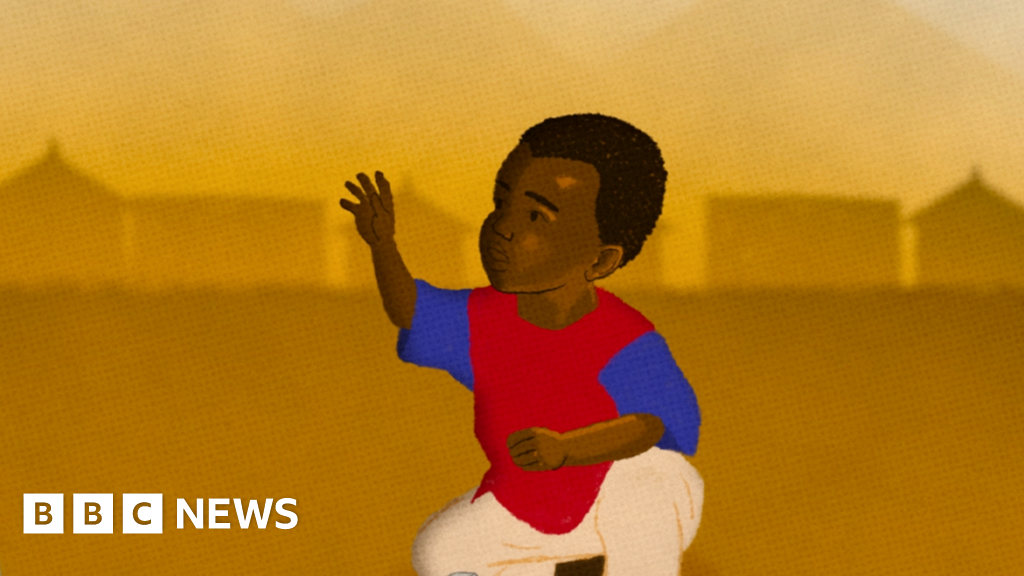
Kathmandu— Amira, a 17-year-old Sudanese girl who was abducted and raped by members of the Rapid Support Forces (RSF) during the ongoing conflict in Darfur, is unable to legally register her newborn child due to lack of documentation. The situation reflects a broader crisis affecting thousands of children born under similar circumstances amid the civil war.
Amira's Ordeal
Amira and her family fled el-Fasher, which was under siege by RSF forces, in early 2025. During their escape, she was abducted and held captive for two months, during which time she was repeatedly raped. She discovered she was pregnant while in captivity and became very ill. After being released near the area of her abduction, Amira received medical help at a humanitarian hub where she gave birth to her son with support from the Nada Al-Azhar Foundation.
Challenges of Registration
Amira faces significant challenges in registering her child's birth due to the lack of information about the father. The process requires identity details and a national number, which she cannot provide. Without registration, Amira is unable to get her son vaccinated or enroll him in school, adding to her economic struggles and fears for his future.
Broader Crisis
Amira's situation is not unique; many children born during the conflict face similar challenges. Abu Bakr Yousif Yaqoub of Nada explains that when fathers are absent or unknown, it becomes extremely difficult to register a child legally. This affects not only early years but also future education and legal rights as adults.
Legal Framework and Challenges
Sudanese law allows for the registration of children born outside marriage under the Child Act of 2010, provided the mother reports her assault. However, Majida Idris, a Sudanese lawyer, notes that ongoing conflict has led to the collapse of civil services and closure of registry offices in Darfur, leaving thousands of children unregistered.
Amira and her family remain grateful for their reunion but continue to face significant challenges in securing legal recognition for her child.
(With inputs from BBC News)
Originally published on abcnews.com.np.

प्रतिक्रिया दिनुहोस्