

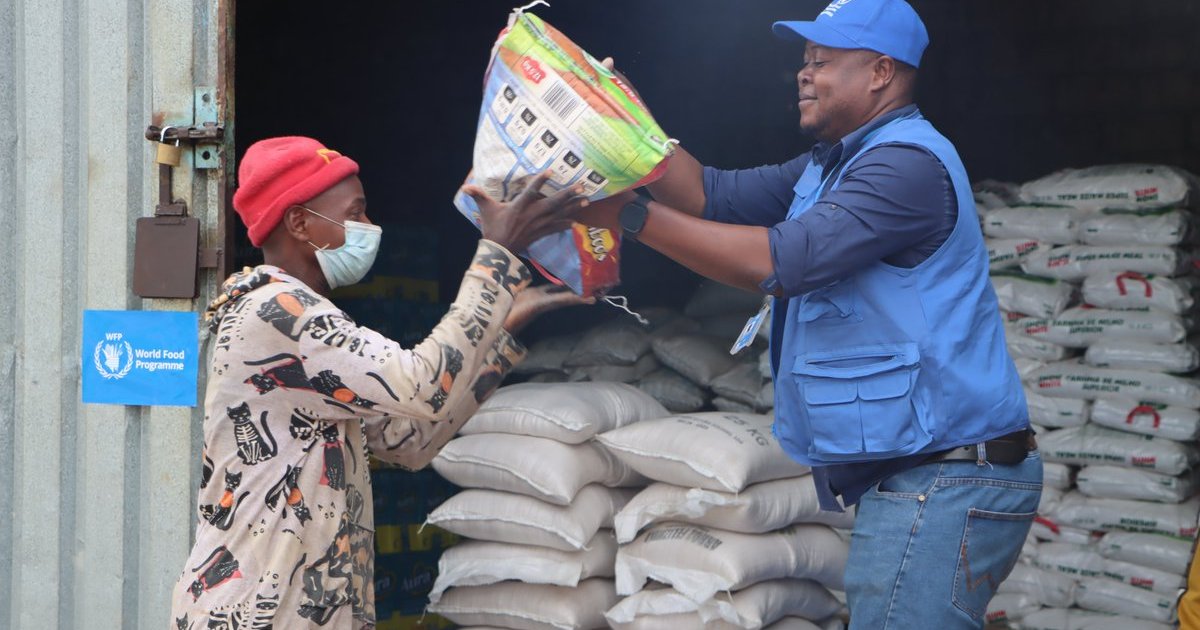
Kathmandu— Months after devastating floods swept through Mozambique, residents like Joacim Pinto are facing a new crisis: hunger. The floods destroyed crops and livestock in the southern Gaza province, leaving farmers without their primary source of food and income. With harvests lost and supply routes disrupted, families now struggle to afford basic necessities as prices soar.
Lost Harvests
The floods affected approximately 275,405 hectares (680,540 acres) of farmland across several central and southern provinces in Mozambique. This destruction has threatened the livelihoods of around 314,783 farmers who rely on agriculture for both food security and income. Before the floods, Pinto’s garden provided a buffer against market prices and ensured his family had enough to eat. Now, those gardens lie empty, forcing families to turn to markets where prices have climbed sharply.
Disrupted Supply Routes
The United Nations’ World Food Programme (WFP) has warned that flooding has disrupted access to food across many affected areas. Roads became impassable, and transport costs increased, making it difficult for food to reach those in need. According to Ana Mato Hombre, WFP Mozambique spokesperson, the loss of production and disruption of supply routes are driving up prices. “In many flood-affected areas, food stocks were lost, cropland destroyed, and several markets are not functioning at all,” she says.
Rising Prices
The effects of the floods have extended beyond damaged fields to impact broader economic conditions. Tafadzwanashe Mabhaudhi, a professor studying climate change and food systems in Southern Africa, notes that repeated disasters are changing how vulnerable communities survive. “It also means poorer diets because people cannot access a range of foods,” he explains. Traders like Shuwa Anolis have had to increase prices due to higher fuel and delivery costs, further straining the budgets of families who lost their crops.
Climate Burden
Mozambique is repeatedly absorbing the costs of climate extremes despite contributing little to global greenhouse gas emissions. The country’s vulnerability is shaped by its geography, heavy dependence on agriculture, and limited resources for rebuilding after disasters. Mabhaudhi points out that Mozambique's position downstream of major river systems increases its exposure to flooding influenced by rainfall and land-use activities beyond its borders.
For Pinto and thousands of other survivors, the challenge now is rebuilding livelihoods before the next disaster strikes.
(With inputs from Al Jazeera)
Originally published on abcnews.com.np.


प्रतिक्रिया दिनुहोस्