

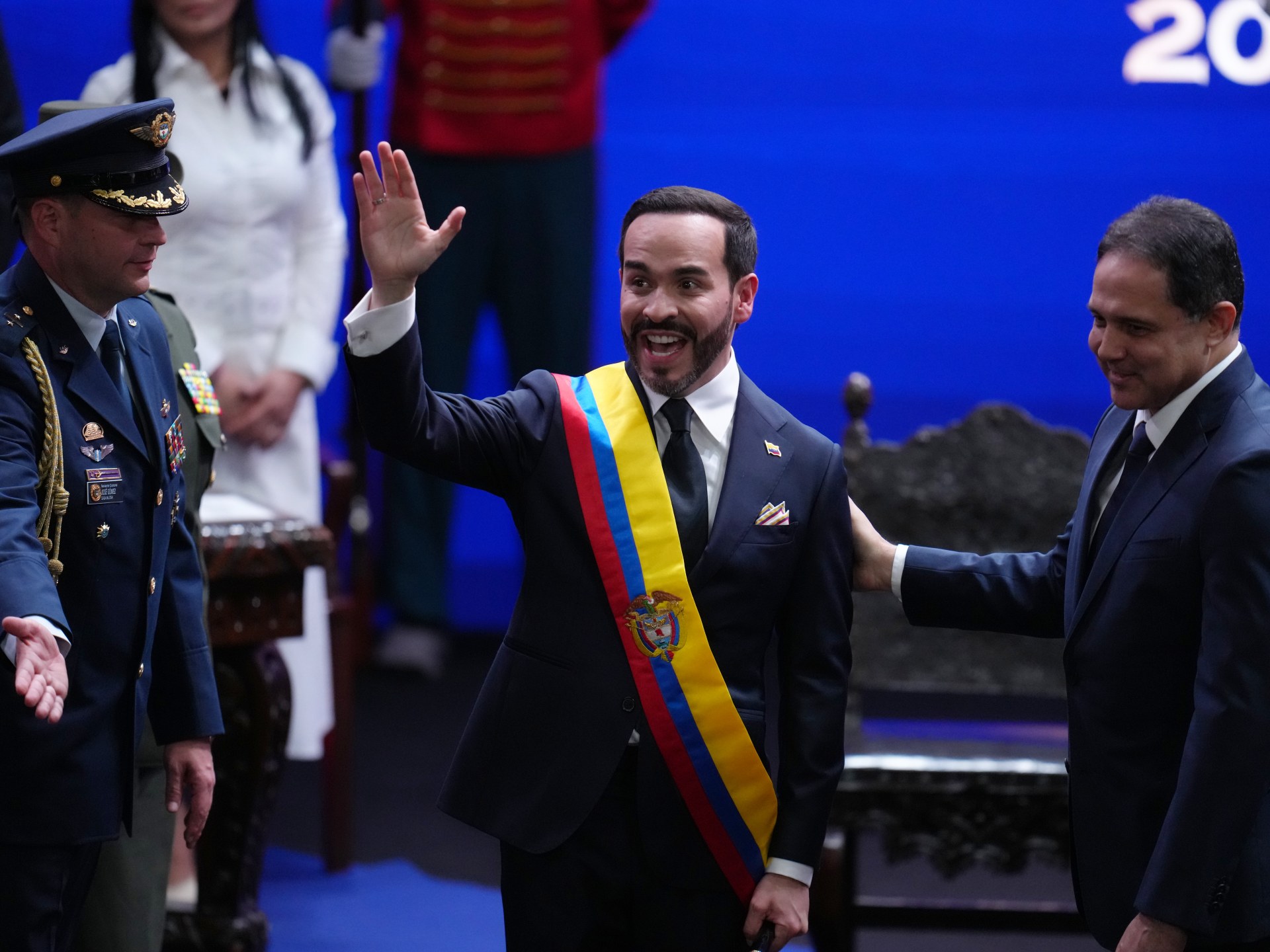
Kathmandu— Abelardo de la Espriella was sworn in as Colombia’s president on Friday, marking a decisive rightward shift for the nation as he pledged to relentlessly combat narco-terrorism and revitalize the country's energy sector. The 48-year-old lawyer, known to supporters as 'El Tigre,' took the oath of office in Cali rather than the capital of Bogota, signaling a focus on the volatile southwest region that has long been impacted by conflict with armed groups.
A Shift In Security Strategy
The inauguration marks a sharp departure from the negotiated peace strategies pursued by outgoing leftist leader Gustavo Petro. De la Espriella has dismissed Petro’s policies as a failure and declared that "the option of dialogue is completely exhausted." During his address, the new president stated, "There will be no room for manoeuvres that undermine the stability of the nation."
Security was heavy throughout the ceremony, which was held at a university auditorium before Congress. Soldiers and armored vehicles lined the roads near the venue, and police had been manning checkpoints to screen vehicles for explosives in the days leading up to the event. Following the ceremony, de la Espriella visited a nearby military battalion to address troops directly, a move intended to boost morale and signal his administration's militaristic approach to crime.
Economic Reforms And Energy
De la Espriella has campaigned on a platform of fiscal austerity and industrial revival, promising to cut government spending by as much as 40 percent. He vowed to strengthen the state-run oil company Ecopetrol and called for the development of "responsible and sustainable fracking" to address declining gas and oil reserves.
Addressing business owners, the president promised that his government "will be your partner in investing in Colombia." This economic agenda aligns with a broader regional trend, as de la Espriella joins other conservative leaders in Latin America, such as Argentina's Javier Milei and Chile's Jose Antonio Kast, following a series of right-wing electoral victories across the continent.
Diplomatic Realignment And Regional Tensions
The new administration is expected to pursue a foreign policy closely aligned with the United States, specifically mirroring the approach of President Donald Trump. De la Espriella has pledged to join the US-backed "Shield of the Americas" coalition against drug trafficking and has promised to restore diplomatic relations with Israel while severing ties with Cuba and Nicaragua, which he characterized as "tyrannies."
While the US State Department has indicated plans to provide $1 billion in security assistance to the new administration, the domestic transition remains tense. Despite the election results being validated by international observers, protests broke out in Cali, Bogota, and Barranquilla on inauguration day. In Cali, protesters argued they were defending their dignity against a president they claimed lacked their support.
The new administration faces the immediate challenge of governing an ideologically divided nation, with experts noting that the president's broad promises may be difficult to implement.
(With inputs from Al Jazeera)
Originally published on abcnews.com.np.


प्रतिक्रिया दिनुहोस्