

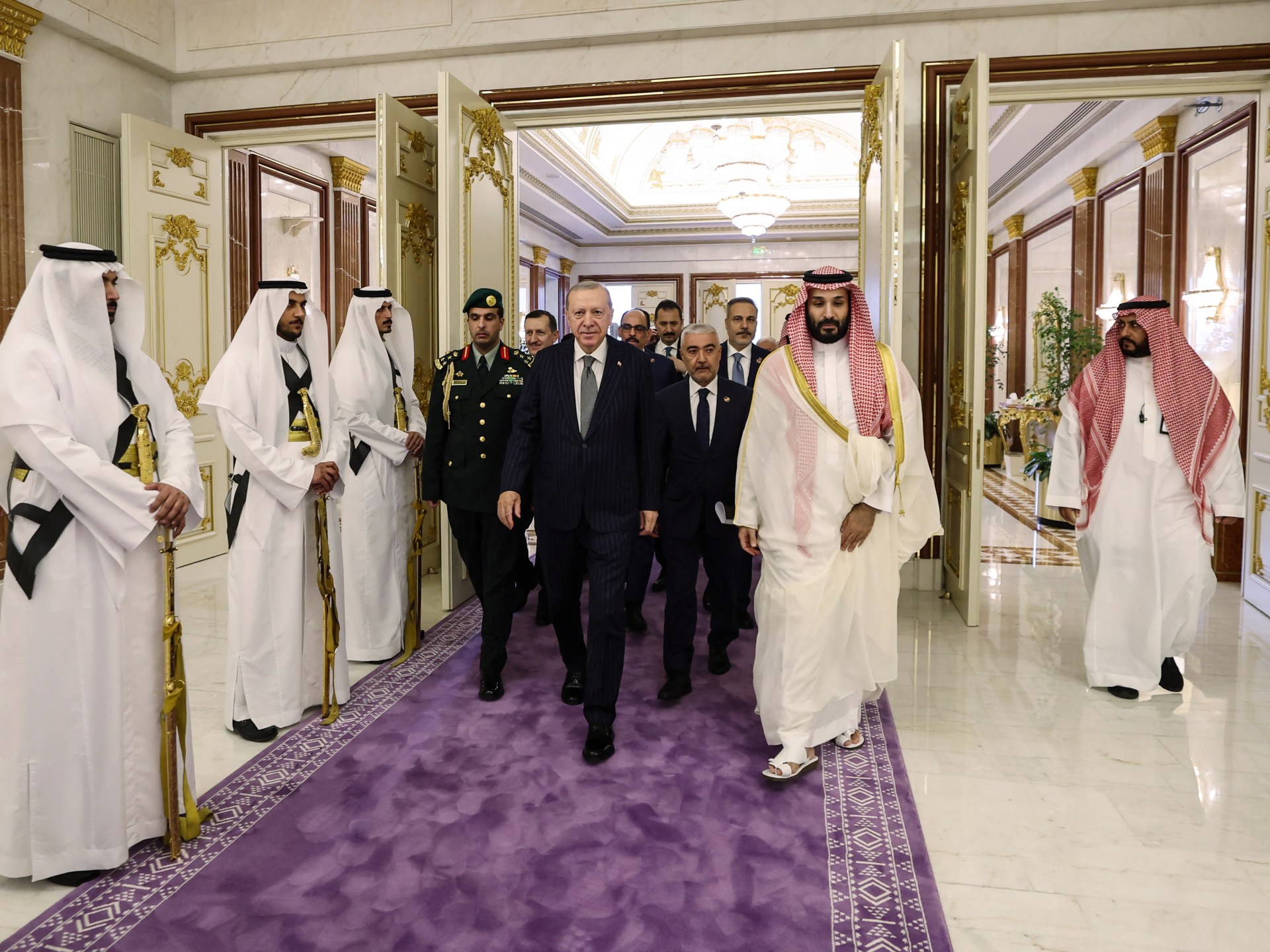
Kathmandu— Saudi Arabia, Turkiye, and Pakistan signed a mutual defence pact in the city of Mecca on Friday, establishing a collective deterrence framework that stipulates an armed attack against one member shall be regarded as an attack against all three. The Mecca Joint Defence Agreement aims to enhance all aspects of defence cooperation among the signatory states, marking a significant development in a region currently grappling with the fallout from the US-Israel war on Iran.
Diversifying Security Partnerships
The new agreement comes as regional powers reassess their security arrangements following the escalation of conflict involving Iran. Analysts suggest the pact is an effort by the three nations to reorient themselves amidst regional turmoil, rather than a direct attempt to replace existing alliances.
"The significance is less about a formal military alliance than about what it says regarding how regional states are reassessing security," Sina Toossi, an analyst at the Center for International Policy, told Al Jazeera. Toossi noted that Saudi Arabia appears to be broadening its security partnerships and laying the groundwork for more intra-regional security arrangements rather than relying primarily on Washington.
Strained US Security Guarantees
The pact highlights growing doubts among regional partners regarding the reliability of US security guarantees. Kristian Coates Ulrichsen, a Middle East fellow at Rice University’s Baker Institute for Public Policy, told Al Jazeera that the decision to begin military operations against Iran and the subsequent conduct of the war have only intensified these concerns.
While the agreement may provide additional strategic and policy options, Ulrichsen noted that building new pacts is likely not intended to replace or supplant the United States. However, the strain on the US-Saudi relationship has been exacerbated by Washington's struggle to provide partners with sufficient air defence munitions, many of which were diverted to Israel during the conflict.
Regional Stability and Deterrence
Despite the new alliance, analysts suggest the pact is not intended to provoke further confrontation with Iran. All three signatory nations have generally called for mediation and de-escalation since the US and Israel launched attacks on Iran in late February.
Yasmine Farouk, an analyst at the International Crisis Group, told Al Jazeera that the agreement might be better understood as a form of "normative deterrence." She noted that because Iran has emerged from the conflict appearing more confident in its ability to use force, the pact represents a long-term perspective on strategic cooperation rather than just a immediate deterrent effect.
The agreement marks a significant step in the reshaping of the regional order as Middle Eastern states seek to supplement their security through new multilateral frameworks.
(With inputs from Al Jazeera)
Originally published on abcnews.com.np.






प्रतिक्रिया दिनुहोस्