

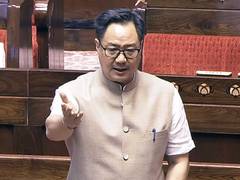
Kathmandu— Union Minister Kiren Rijiju has defended the government's decision to link the implementation of the Women's Reservation Bill to a delimitation exercise, responding to criticism from Leader of the Opposition Rahul Gandhi. Rijiju argued that without an early delimitation based on available census data, the constitutional mandate for women's seats might not be realized until the 2034 General Elections, potentially delaying the Nari Shakti Vandan Adhiniyam for years.
The Delimitation Connection
The debate centers on the Nari Shakti Vandan Adhiniyam, 2023, which provides for seat reservations for women in the House of the People and State Legislative Assemblies. Rijiju explained that the law requires implementation following a delimitation exercise based on census figures published after 2026.
Because the publication of census figures may take substantial time due to the inclusion of caste-based data, the government maintains that delimitation must be undertaken at the earliest to meet the 2029 election cycle. The proposed methodology for this implementation was outlined in the Delimitation Bill 2026.
Political Friction Over Implementation
Rahul Gandhi has challenged the government's stance, questioning why the implementation of the 2023 law is being tied to the delimitation process. Gandhi demanded that the Nari Shakti Vandan Adhiniyam be implemented "without any conditions."
While the Congress Party and other opposition members have expressed support for women's reservation, they have consistently opposed the delimitation exercise, which seeks to increase the number of seats in the Lower House. The opposition has called for the two legislative processes to be delinked.
The implementation of the 33 per cent women's reservation remains stalled after the Constitution (131st Amendment) Bill failed to secure the required two-thirds majority in the Lok Sabha on April 17.
(With inputs from ANI)
Originally published on abcnews.com.np.





प्रतिक्रिया दिनुहोस्