

Kathmandu— As international pressure mounts to ban the United Nations Relief and Works Agency for Palestine Refugees in the Near East (UNRWA) from Gaza, the agency remains a fundamental pillar of Palestinian identity and survival for millions of refugees. From providing life-saving vaccinations and food assistance to managing a vast network of schools and clinics, the agency has been integrated into the daily lives of Palestinians since the 1948 Nakba. For many, the potential dismantling of the agency represents more than just a loss of humanitarian aid; it is viewed as a direct threat to the recognition of their refugee status and their right to return.
A Legacy Of Documentation And Survival
The agency's role in documenting Palestinian existence began in the wake of the 1948 Nakba, when families fled their homes during the advance of Zionist militias. Many refugees, having left behind title deeds and birth certificates, were left without legal proof of their identity. To address this, UNRWA provided certificates and family registration cards, known as the 'kart al-moun,' which served as the sole legal and political proof of refugee status.
This documentation allowed generations of refugees to access essential services and eventually obtain official identity cards. Beyond documentation, UNRWA transformed the landscape of the Gaza Strip by establishing tent camps that evolved into permanent communities, including Jabalia, Shati, Nuseirat, Bureij, Maghazi, Deir el-Balah, Khan Younis, and Rafah.
The Pillar Of Education And Health
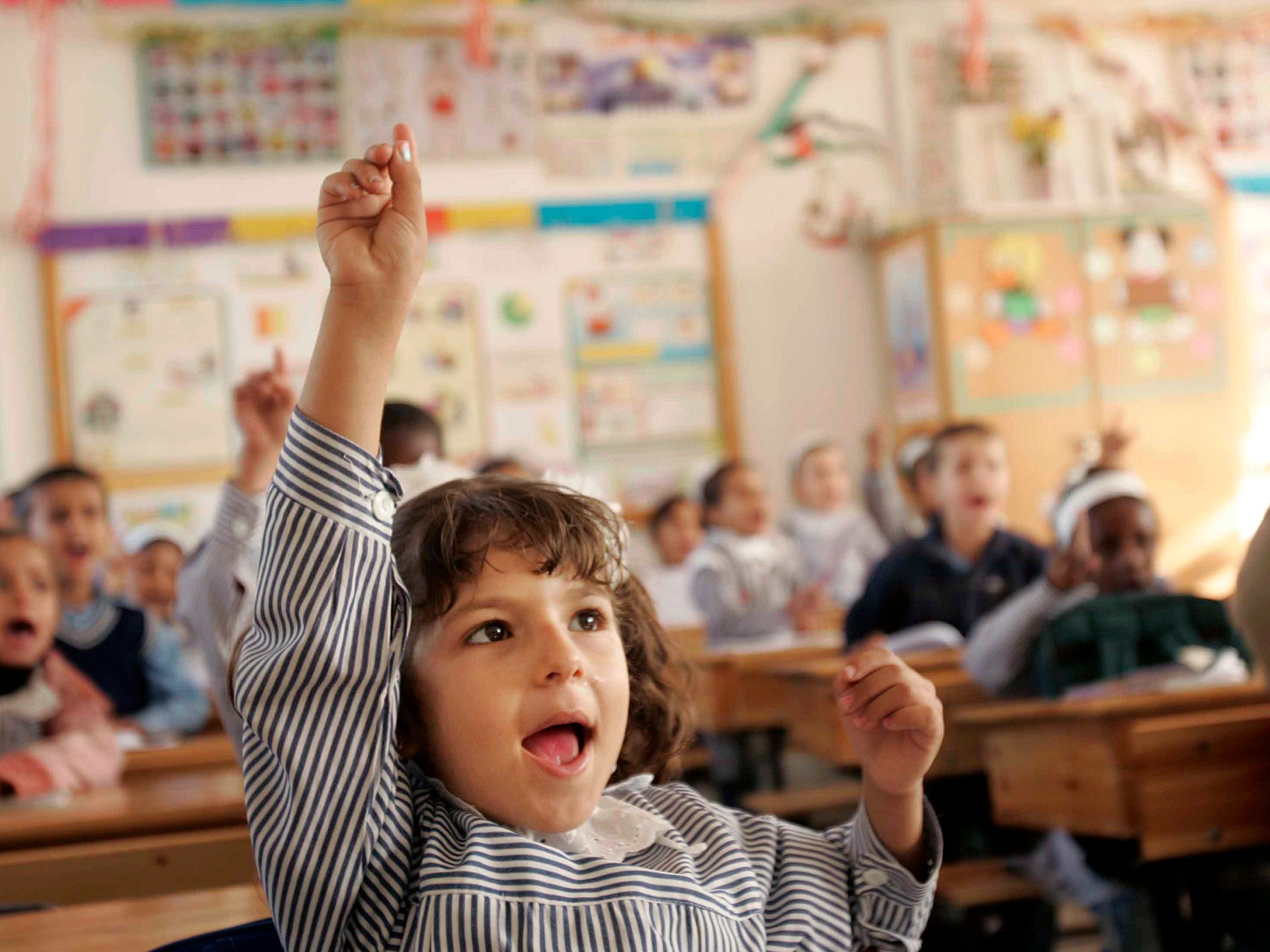
UNRWA has become a cornerstone of Palestinian education, operating nearly 200 schools across the Gaza Strip. These institutions have been instrumental in making Gaza one of the most literate regions in the world, despite the challenges of occupation and siege. Students in these schools receive free notebooks, pens, and even cash assistance to cover the costs of uniforms and materials.
In addition to education, the agency provides a comprehensive healthcare system. Refugees have access to regular free checkups, basic laboratory tests, and medication for both common and chronic diseases. The agency also manages a food assistance program, distributing coupons every three months that can be exchanged for staples such as flour, rice, sugar, milk, lentils, and cooking oil.
As Gaza faces the aftermath of intense conflict, the agency remains the only body capable of addressing the needs of the nearly 2 million displaced Palestinians in the territory.
(With inputs from (manual retry))
Originally published on abcnews.com.np.





प्रतिक्रिया दिनुहोस्