

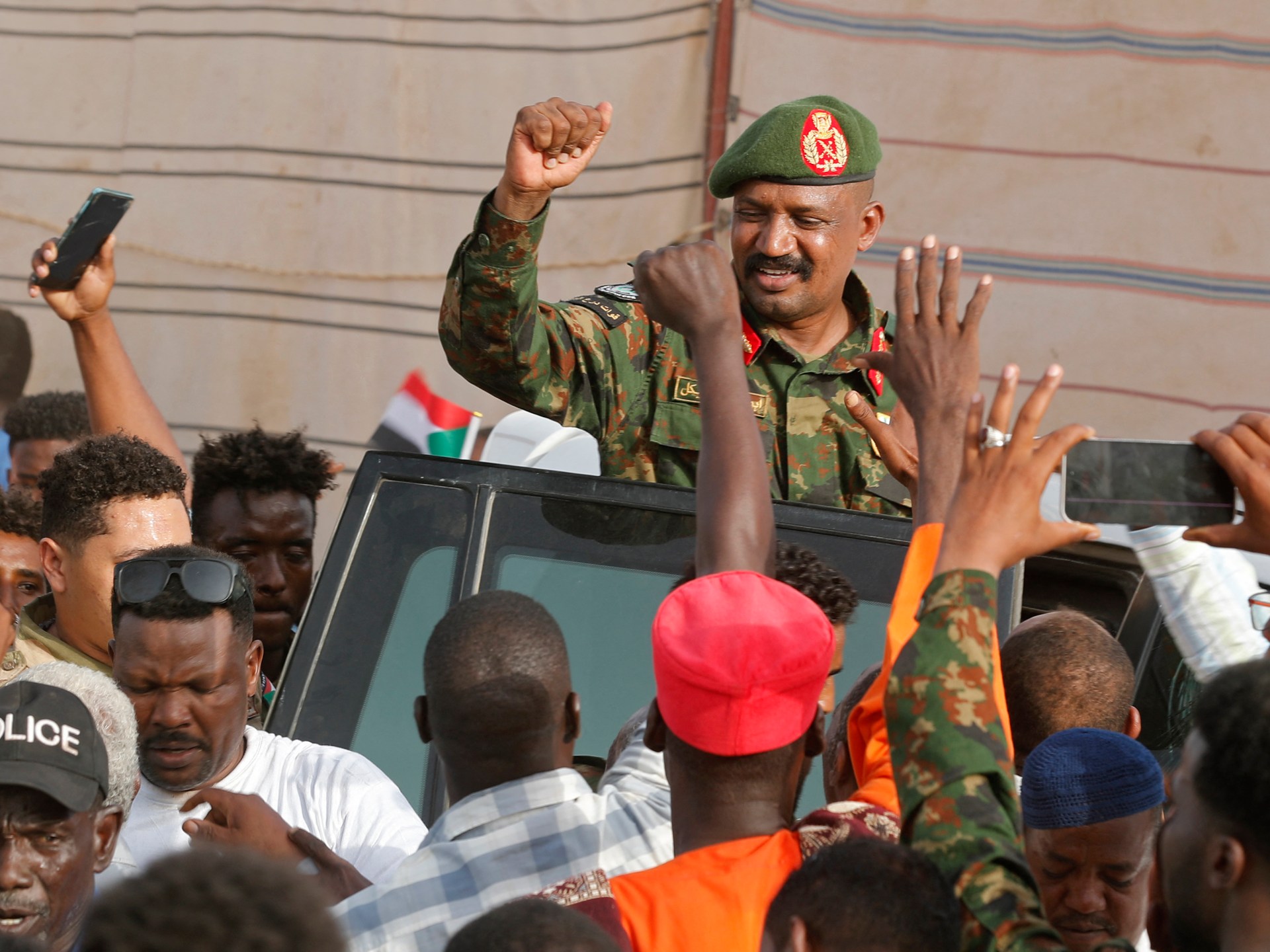
Kathmandu— A Sudanese army counteroffensive in the western Darfur region has resulted in gains for government-aligned forces against the Rapid Support Forces (RSF) paramilitary group in recent days. Fighting concentrated around Bir Saliba, approximately 30km north of el-Geneina – the capital of West Darfur and the RSF’s last major stronghold in the area – saw the army repel two successive attacks in early August. These advances aim to cut off RSF supply lines along the border with Chad and could signal a coming push for control of el-Geneina itself, as government forces attempt to encircle key positions.
Strategic Importance of Bir Saliba
The Bir Saliba region holds strategic importance due to its network of roads connecting West Darfur’s capital with areas in the northwest, including Jebel Moon and Kulbus. According to General Bahr al-Din Adam Karama, governor of West Darfur state, control of this area is crucial for controlling movement within the region.
The Joint Force of the Armed Struggle Movements – a coalition of former rebel groups now fighting alongside the Sudanese army – successfully thwarted an RSF attempt to encircle Bir Saliba. Forces advanced from both north of Kulbus and Sileia in Jebel Moon before launching a large-scale attack, but were repelled.
RSF Leadership Losses
Darfur Regional Governor Minni Arko Minnawi announced the death of Major General Mahdi Adam, also known as “Jebel Moon,” a prominent RSF field commander, in western Sudan. While the RSF has not confirmed his death, it would represent a significant loss for the paramilitary group and create a leadership vacuum on this front.
The Joint Force claims to have destroyed or seized dozens of combat vehicles during the recent campaign, with Major Mutawakkil Ali Wakil Abu-Ja, the force’s spokesman, stating they killed the commander of the attacking RSF force.
Shifting Tactics and Supply Lines
Government forces are also targeting RSF supply routes. Air strikes near the border with Chad have isolated the paramilitary group, while in North Kordofan state, the RSF has increasingly relied on drones after losing a key route linking Omdurman and el-Obeid. Amin Ishaq Zakaria, a spokesman for the Sudan Liberation Movement/Army – Transitional Council, said this increased drone use reflects “a predicament on the ground and an inability to engage in direct confrontations.”
Fadel Kaya, a leader with the same movement, indicated that the Joint Force’s victories suggest the RSF is no longer attempting to gain territory but rather retreating from key positions.
Humanitarian Impact
The recent escalation of fighting has led to further displacement. The International Organization for Migration reported over 6,650 people displaced from villages in the Sirba region on Saturday. This adds to the already staggering number of internally displaced persons – exceeding 13 million since the conflict began in April 2023, according to UN estimates.
The RSF and its allies have also established a rival administration, known as the Tasis government, further complicating the political landscape.
The Sudanese army continues efforts to secure the western axis and increase pressure on the RSF ahead of an anticipated decisive battle for el-Geneina. The RSF did not respond to requests for comment at the time of publication.
(With inputs from Al Jazeera)
Originally published on abcnews.com.np.



प्रतिक्रिया दिनुहोस्