

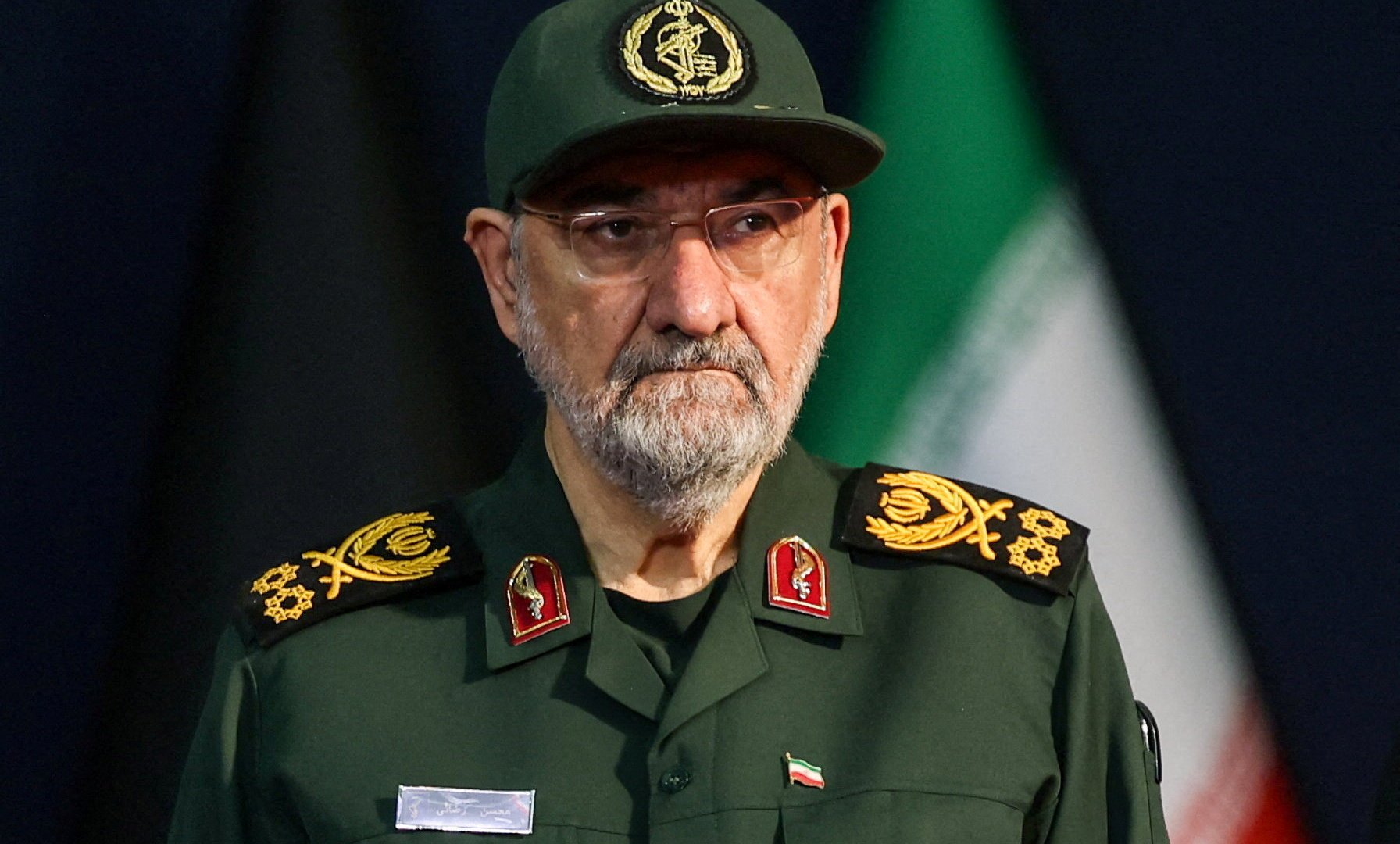
Kathmandu— Mohsen Rezaei, a veteran commander of Iran’s Islamic Revolutionary Guard Corps (IRGC), has been appointed as the new secretary of the Supreme National Security Council, placing a figure with deep ties to the military at the helm of the country's top security body. The appointment comes during a period of escalating tensions with the United States and Israel, including disputes over control of the strategically vital Strait of Hormuz and ongoing naval blockades, as well as following the assassination of the previous secretary in March. Rezaei’s experience spans decades of conflict, notably the Iran-Iraq War, and positions him to influence both domestic policy and international negotiations.
Rezaei's Background and Experience
Mohsen Rezaei served as commander-in-chief of the IRGC from 1981 to 1997, a period encompassing the Iran-Iraq War. Following his military service, he became a member of Iran’s Expediency Discernment Council, responsible for resolving legislative disputes. He has consistently emphasized the importance of Iranian control over the Strait of Hormuz, stating in July that its possession was more valuable than “dozens of atomic bombs” and recently warned of risks to US interests if blockades continue.
Significance of the Appointment
The Supreme National Security Council is a central institution where strategic considerations from various branches of government – including the presidency, foreign ministry, armed forces, and security agencies – converge. Therefore, the selection of its secretary carries significant weight, particularly during times of war and stalled negotiations with the United States. Abas Aslani, a senior research fellow at the Tehran-based Center for Middle East Strategic Studies, explained that Rezaei’s appointment is intended to synchronize different government bodies and provide domestic balance.
Political Positioning and Potential Impact
Rezaei's political alignment during the 2024 presidential election – where he supported Mohammad Bagher Ghalibaf – places him within the conservative wing of Iranian politics. While not necessarily a moderate, this positioning differentiates him from more hardline factions and may allow for greater maneuverability in negotiations with the US. Analysts suggest that his background could facilitate reaching agreements by providing internal support among various political groups.
Divergent Interpretations of Iran's Strategy
Analysts offer differing interpretations of Rezaei’s appointment. Some view it as a prioritization of military and security considerations amid ongoing conflict, while others believe it may paradoxically ease the path towards negotiated settlements by providing domestic cover for potential compromises. Iranian journalist Mashallah Shamsolvaezin suggests that Rezaei's military record will strengthen decisions made by the council and quell objections from hardline factions. International relations Professor Mohsen Farkhani believes the appointment signals a shift in Iran’s security doctrine toward ‘offensive deterrence based on punishment’ and readiness for prolonged confrontation.
Rezaei’s appointment is expected to influence Iran's approach to ongoing conflicts, negotiations with the US, and its stance regarding control of the Strait of Hormuz, though whether it will lead to a hardening of positions or facilitate dialogue remains to be seen.
(With inputs from Al Jazeera)
Originally published on abcnews.com.np.


प्रतिक्रिया दिनुहोस्