

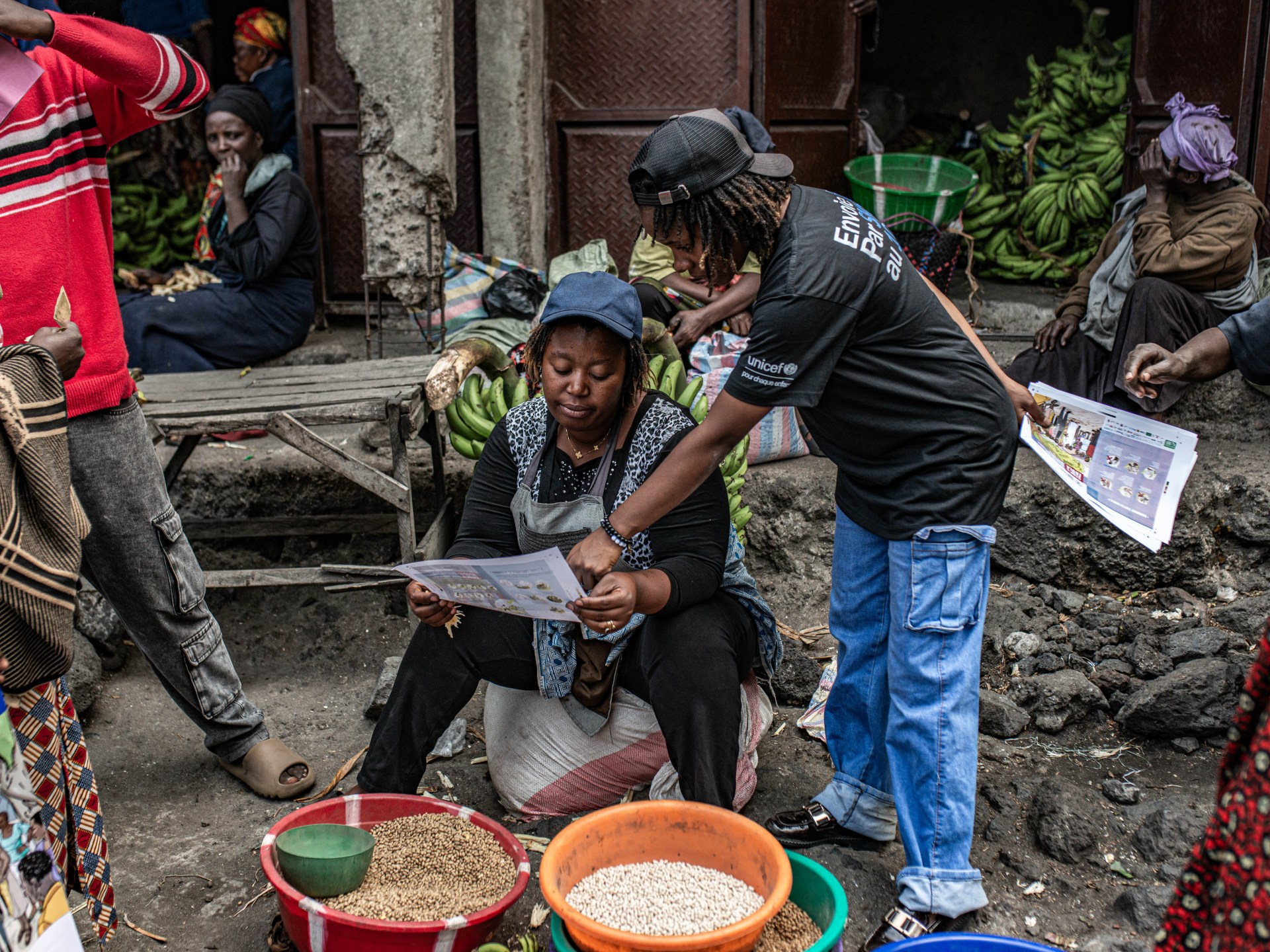
Kathmandu— A recent Ebola outbreak in the Democratic Republic of Congo (DRC) began as early as February, months before it was officially declared in mid-May, according to the World Health Organization (WHO). Initial cases were wrongly attributed to malaria and typhoid fever, hindering rapid identification and containment efforts. As of this week, confirmed cases have reached 4,200 with at least 1,900 deaths, making this outbreak one of the deadliest and fastest-growing on record, complicated by factors including healthcare worker strikes, rebel group threats, and misinformation.
Delayed Recognition of Outbreak
WHO Regional Director for Africa, Mohamed Janabi, explained at a news conference that genomic sequencing revealed the earlier start date. The misdiagnosis of initial cases as more common illnesses like malaria and typhoid contributed to significant delays in mounting an effective response. This outbreak is particularly challenging because it’s caused by the rare Bundibugyo virus, for which there are currently no approved vaccines or treatments.
Rapid Spread and Unique Challenges
The current Ebola outbreak is spreading at an unprecedented rate, surpassing even the 2014-2016 West Africa outbreak in terms of speed and mortality. WHO Director-General Tedros Adhanom Ghebreyesus noted that new cases are doubling in some hotspots. Responders face numerous obstacles including strikes by unpaid health workers, threats from rebel groups operating in the region, widespread distrust among traumatized communities, and the spread of misinformation denying the existence of Ebola.
Vaccine Trials Underway
Despite the challenges, efforts are underway to find effective countermeasures. The WHO has recommended full-scale human trials for the Ervebo vaccine, which has proven effective against the more common Zaire strain of Ebola and may offer some protection against Bundibugyo. Experts also emphasize that a specific vaccine targeting the Bundibugyo virus is preferred, with two potential candidates currently in early clinical trials and a third under development. This outbreak mirrors past instances where declarations came weeks or months after initial cases, such as the 2014-2016 West Africa outbreak which was officially declared in March 2014 despite its first case occurring in December 2013.
The WHO continues to monitor the situation closely and coordinate with local authorities to implement control measures and provide support to affected communities. The success of vaccine trials and addressing the underlying challenges will be crucial in curbing the spread of this deadly outbreak.
(With inputs from Al Jazeera)
Originally published on abcnews.com.np.





प्रतिक्रिया दिनुहोस्