

Kathmandu— On August 7th, in Mecca, Saudi Arabia, the leaders of Türkiye, Saudi Arabia, and Pakistan signed a joint defense agreement committing them to mutual defense against armed attack. This pact builds upon existing bilateral military cooperation between Riyadh and Islamabad but represents a significant step for Ankara, signaling its desire to reshape the regional security landscape and establish itself as a central player in Middle Eastern affairs. The agreement aims to create a framework where regional powers can address security concerns independently, reducing reliance on external actors like the United States and solidifying Turkish influence through its growing defense industry and strategic partnerships.
A Shift in Regional Power Dynamics
The Mecca Joint Defense Agreement is not simply an extension of existing relationships; it represents a deliberate attempt by Türkiye to elevate its regional standing. Ankara, already possessing NATO’s second-largest military and a burgeoning defense industry, seeks to translate this strength into lasting influence. The agreement links Turkish military capabilities with Saudi financial power and Pakistan's strategic depth, creating a potentially formidable alliance. This move is driven by a desire for greater autonomy in foreign policy, allowing Türkiye to pursue its interests without being solely dictated by Western priorities.
Strategic Autonomy as Core Principle
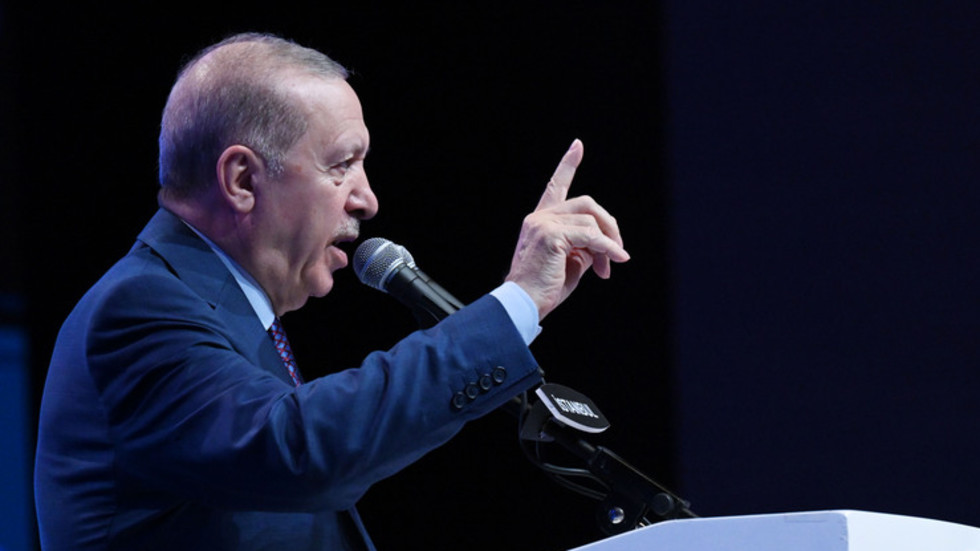
For years, Turkish President Recep Tayyip Erdogan has pursued a strategy of ‘strategic autonomy,’ maintaining alliances while resisting external control over Turkish actions. This approach allows Ankara to engage with diverse actors – from Moscow to Western institutions – without compromising its own interests. The Mecca agreement reinforces this principle by providing an additional layer of strategic freedom alongside NATO membership. Türkiye aims for a system where regional security is discussed and determined primarily by regional powers, rather than imposed from outside.
Defense Industry as Political Leverage
Türkiye’s growing defense industry plays a crucial role in its ambition to become a regional power. Beyond the well-known Bayraktar drones, the country now produces missiles, warships, and other advanced military technologies. This allows Türkiye to combine arms sales with training, technology transfer, and long-term industrial cooperation, fostering enduring relationships. Saudi Arabia is a key market for Turkish defense exports, providing both capital and an opportunity to develop its own defense-industrial base. Pakistan contributes decades of military experience and established ties with both Ankara and Riyadh, completing the framework.
Complicating Relations with Israel
The Mecca pact introduces new complexities into regional dynamics, particularly regarding Türkiye’s relationship with Israel. Already strained due to disagreements over Syria and other issues, Turkish-Israeli relations are further complicated by this emerging alliance. Ankara views a consolidated Syrian state – potentially supported by Turkey – as vital for its interests, while Israel fears it could create a strategic continuum extending towards southern Syria. While the agreement isn’t explicitly anti-Israel, it raises concerns in Jerusalem about a coordinated response from Saudi Arabia, Türkiye, and Pakistan should tensions escalate.
Balancing Act with Iran
The new alliance doesn't necessarily position Türkiye as an adversary of Iran, but rather seeks to balance its influence. Ankara prefers a contained and negotiated relationship with Tehran over one based on isolation or confrontation. The Mecca framework could serve as a counterweight to Iranian ambitions if they evolve into regional dominance, or potentially integrate Iran into a broader security architecture should the region de-escalate. Türkiye aims to be a balancer between competing powers rather than aligning itself firmly with any single camp.
The long-term implications of the Mecca Joint Defense Agreement remain to be seen, but it clearly signals a shift in regional power dynamics as these nations seek greater independence and influence over their own security.
(With inputs from RT)
Originally published on abcnews.com.np.




प्रतिक्रिया दिनुहोस्