

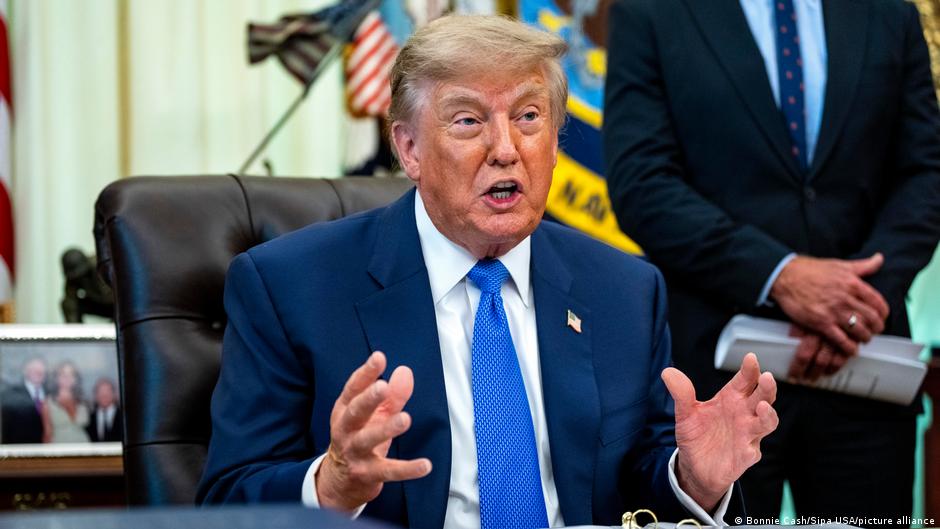
Kathmandu— US President Donald Trump on Monday signed an executive order initiating a significant overhaul of US childhood vaccine policy, advocating for fewer recommended immunizations and more spaced-out appointments for children receiving them. The order calls for the separation of the measles, mumps, and rubella (MMR) vaccine into three individual shots and encourages administering vaccines during separate medical visits whenever feasible. Trump framed the move as a victory for parental rights and what he described as “gold standard science,” while public health experts have voiced concerns about potential negative consequences.
Policy Directives and State Authority
The executive order directs the federal government to support 11 core childhood vaccinations and advises states and territories to review their school enrollment vaccine requirements. However, it acknowledges that most school vaccine mandates are determined at the state level, meaning Trump’s order primarily serves as a recommendation rather than a direct mandate. The Health and Human Services Department is also tasked with improving vaccine research and developing a plan to make single-antigen measles, mumps, and rubella vaccines available in the US, despite these not currently being licensed.
Concerns from Medical Professionals
Public health experts have cautioned that current childhood vaccination schedules are based on extensive research ensuring safe and effective administration. They warn that spreading out vaccinations could prolong children’s vulnerability to preventable diseases and increase the risk of delayed or missed doses. Vaccine manufacturer Merck stated there is no scientific evidence supporting any benefit from splitting the MMR vaccine, while Andrew Racine, president of the American Academy of Pediatrics, estimated developing and approving separate vaccines could take over a decade. Aaron M. Milstone, a member of the AAP Committee on Infectious Diseases, emphasized the importance of continuing to administer the existing combination vaccine due to its established safety record.
Reviving Discredited Claims
During remarks in the Oval Office, Trump repeatedly suggested a potential link between the number or timing of childhood vaccines and rising rates of autism spectrum disorder. This claim contradicts scientific consensus and decades of research demonstrating no connection between vaccination and autism. Health Secretary Robert F. Kennedy Jr., who previously sought to remove vaccines against six diseases from the childhood schedule, also shares this disproven belief.
Political Fallout and Expert Criticism
The move has drawn criticism from within Trump’s own party, with Republican Senator Bill Cassidy of Louisiana, a physician and chairman of the Senate health committee, condemning the order as misguided. “I'm a doctor. This executive order is wrong,” Cassidy stated, adding that splitting combination vaccines would require more shots for the same protection. New York City Health Commissioner Alister Martin characterized the order as rooted in politics and conspiracy theories, noting that vaccination recommendations are not determined by the president.
Timing Amidst Outbreak and Shifting Priorities
The policy shift comes during the worst measles outbreak in the US in 35 years, coinciding with children preparing to return to school. Critics have accused Kennedy of contributing to vaccine hesitancy through his long-standing questioning of established immunizations. The renewed focus on vaccines represents a departure from the administration’s recent emphasis on less contentious health policies such as healthy eating and drug price negotiations.
The executive order initiates a review process that will likely face legal challenges and resistance from public health officials, with the long-term impact on childhood vaccination rates remaining uncertain.
(With inputs from DW)
Originally published on abcnews.com.np.


प्रतिक्रिया दिनुहोस्