

Kathmandu— Filipino sailors continue to seek employment on vessels traversing increasingly dangerous waters despite recent escalations in conflict zones like the Strait of Hormuz and the Black Sea, driven by financial need and a lack of alternative opportunities; applicants lined up at shipping companies in Manila even as monsoon rains disrupted city services last week. The seafarers are acutely aware of the risks – including missile attacks and strikes on merchant vessels – but many feel they have no other viable options for supporting their families.
Trapped in the Crossfire
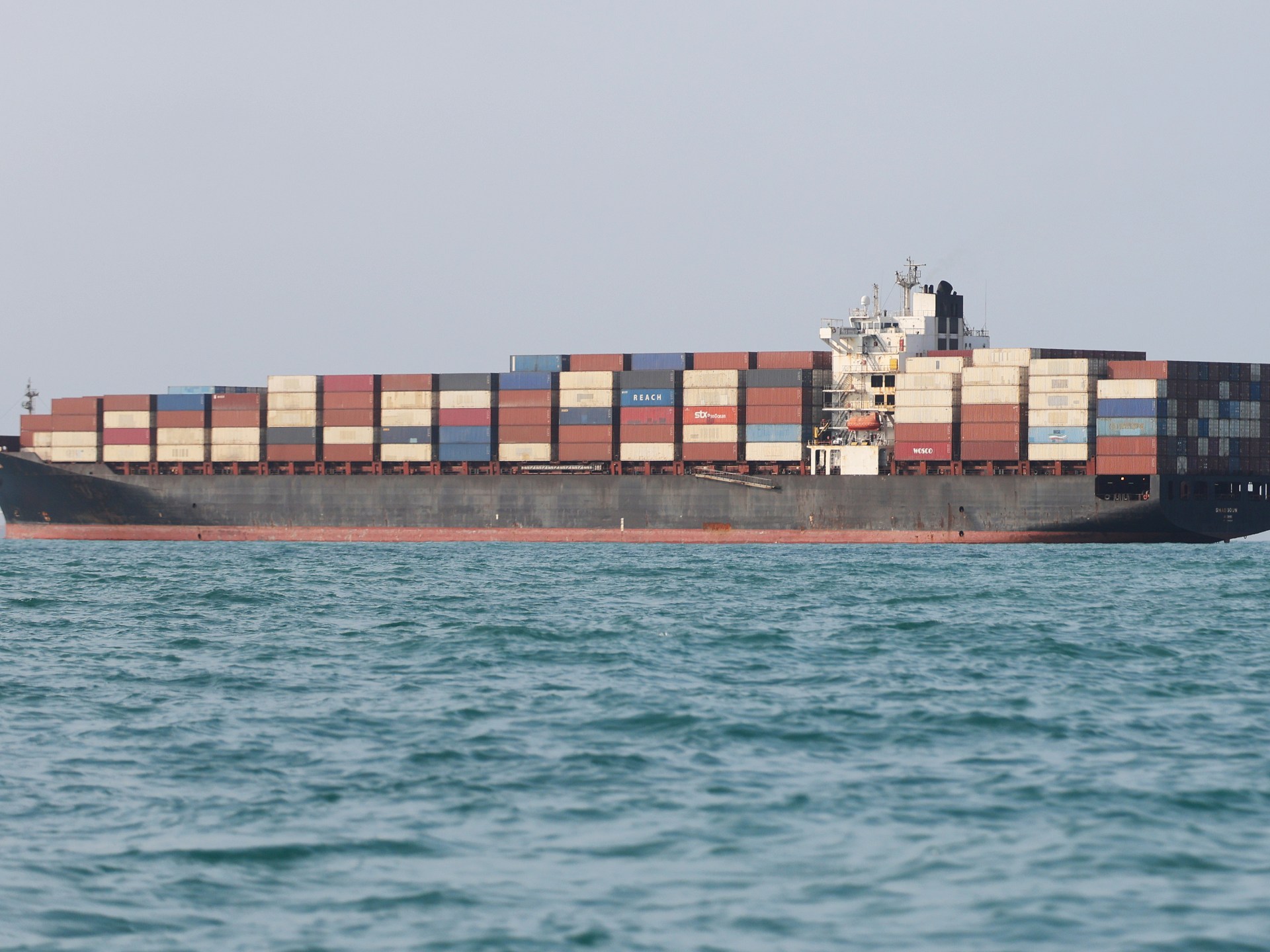
Veteran sailor Gerald recounted a harrowing experience aboard a cargo vessel near Fujairah in the United Arab Emirates earlier this year, when a missile flew over his ship during escalating tensions between the US and Israel. “There was one missile that flew over. The navy intercepted it right when it was above us, so we hid,” he said, explaining the fear of falling fragments. He and his colleagues were stranded for two months, forced to fish from the deck to supplement dwindling rations as crossfire disrupted supply lines.
Economic Imperative
For many Filipino sailors like Gerald, the financial rewards outweigh the inherent dangers; he was able to purchase property and build a house for his parents within just two years of sailing. “This job has provided me with a decent income,” he explained, adding that he lacks the skills or resources to pursue other professions. “And it’s the only job I’ve known for a long time. I can’t just go into business or farming. That’s easier said than done.”
High Casualties and Limited Repatriation
At the peak of the conflict in March, nearly 20,000 sailors on 1,500 ships were trapped in the Strait of Hormuz, with at least 17 fatalities reported since then. The Philippines provides over a quarter of the world’s seafaring workforce, and approximately 2,500 Filipino sailors were among the 6,000 stranded in the waterway as of July, according to data from the International Maritime Organization. While an interim deal between the US and Iran eased tensions in June, mass repatriation has not occurred; the Department of Migrant Workers reports only around 60 have returned home from the Gulf.
Black Sea Attacks Add to Risks
The dangers aren’t limited to the Middle East. The war between Russia and Ukraine has led to a surge in attacks on merchant vessels in the Black Sea, with 35 ships struck and over 20 sailors killed – including at least three Filipinos – in July alone. Alberto Lobaton, another sailor preparing for deployment, witnessed one such strike last year, describing how his ship shook from an explosion just 300 meters away.
Despite government appeals to avoid high-risk areas and assurances that sailors have the right to refuse assignments, many continue to accept deployments, prioritizing financial security for themselves and their families.
(With inputs from Al Jazeera)
Originally published on abcnews.com.np.





प्रतिक्रिया दिनुहोस्