

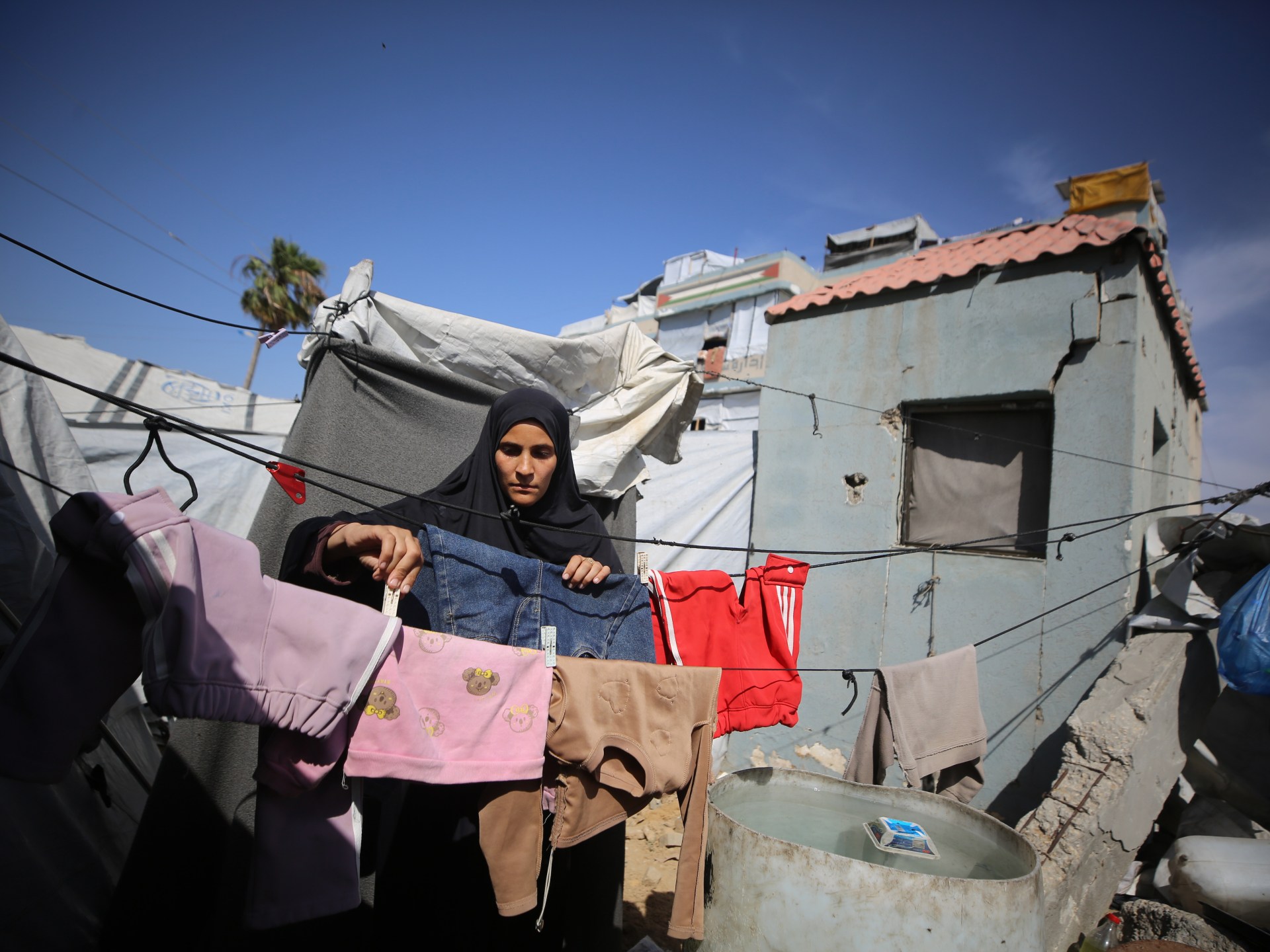
Kathmandu— Under challenging conditions within displacement camps in the Gaza Strip, Mona al-Masri embodies the plight of a growing number of women forced to rebuild their lives after losing husbands during Israel’s war on Gaza. As a mother of four ranging in age from two to nine, Mona became a widow when her husband, Mohammed, was killed in an Israeli strike in September 2024, leaving her solely responsible for securing basic necessities and protecting her children amidst widespread insecurity and devastation that began in 2023.
Rising Numbers of Widows
Mona’s story is not unique; she is one of over 50,000 widows now residing in the Gaza Strip. According to data from the Ministry of Social Development in Gaza, at least 28,224 women have become widowed as a direct result of the current conflict, adding to the more than 22,500 already registered with the ministry prior to the war.
Economic and Social Challenges
Aziza al-Kahlout, spokesperson for the Ministry of Social Development in Gaza, anticipates this number will continue to rise as not all cases have been officially documented. She explains that these women are facing an incredibly difficult reality – supporting their families without a provider amidst widespread destruction and a collapse in basic living conditions. “This requires effective programmes for economic empowerment, job creation and strengthening self-reliance to help lift them out of poverty and deprivation,” al-Kahlout says. Beyond financial aid, she stresses the need for psychological support, healthcare, and legal assistance regarding guardianship, custody, and inheritance.
Psychological Impact on Widows and Children
The loss extends beyond economic hardship; it carries a significant psychological toll. Aseel Abu Shaweesh, a psychologist working in Gaza, explains that losing a husband during wartime is a deeply traumatic experience with profound impacts on both widows and their children. Many women are forced to suppress their grief to care for their families, leading to increased anxiety and exhaustion. Children also suffer greatly, experiencing fear, sleep disturbances, and behavioral changes due to the loss of a parent and the instability surrounding them.
Need for Comprehensive Support
Abu Shaweesh emphasizes that widows require not only financial assistance but also continuous psychological and social support to help them adapt to their new roles. “These women need continuous support that helps them regain a sense of safety and the ability to manage their lives and their families under these difficult circumstances,” she says.
The situation for widows in Gaza remains dire, requiring sustained humanitarian aid and long-term programs focused on economic empowerment, psychological well-being, and legal protection.
(With inputs from Al Jazeera)
Originally published on abcnews.com.np.



प्रतिक्रिया दिनुहोस्