

Kathmandu— Britain’s largest household power supplier, Octopus Energy, has issued an unusual request to its customers: reduce electricity usage for two hours on Wednesday, August 12th, due to the expected impact of a solar eclipse on renewable energy production. The eclipse, visible across mainland Europe and expected to obscure up to 96% of the sun in the UK between 4-8 PM London time, is forecast to cause a drop of up to 1.3 gigawatts in solar generation – enough to power approximately one million homes. Octopus Energy hopes that by voluntarily reducing demand during this period, it can lessen reliance on gas-powered backup systems and maintain grid stability.
Eclipse Impact on Solar Generation
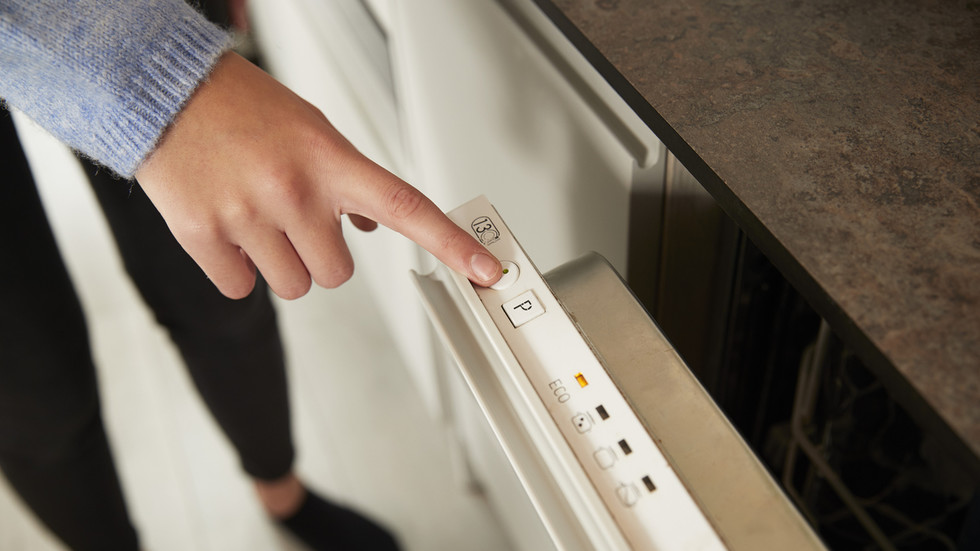
The National Energy System Operator (NESO) estimates the eclipse will significantly reduce solar power output, potentially decreasing generation by 1.3 gigawatts. This reduction coincides with peak evening energy demand, creating a challenge for maintaining a consistent power supply. Octopus Energy is proactively asking its eight million UK customers to postpone using high-energy appliances like dishwashers, washing machines, and gaming consoles between 6 PM and 8 PM.
Incentivizing Voluntary Participation
To encourage participation, Octopus Energy is offering a one-hour credit of free electricity on August 16th to customers who comply with the request. Furthermore, those who share photos on social media documenting their alternative activities during the eclipse period will be entered into a competition for either free solar panels and installation or a £12,000 cash prize. The company believes collective action can minimize the need for additional gas-powered generation.
UK’s Evolving Energy Landscape
Recent data from Solar Energy UK indicates that solar power accounted for a record 14.4% of UK electricity generation in July, with a single-day peak of 19.5% in May. Renewables now comprise approximately 40% of Britain’s energy mix, an increase from 30% five years ago. However, this growing reliance on intermittent sources like wind and solar necessitates backup capacity to ensure grid stability.
Persistent Energy Challenges
The call for reduced consumption comes amid ongoing energy concerns in the UK, exacerbated by its decision to largely cut off Russian energy imports following the escalation of the conflict in Ukraine in 2022. This shift has led to increased reliance on costly liquefied natural gas (LNG), exposing Britain to price volatility and higher bills – average household costs are expected to be around £1,862 this year, nearly 50% more than in 2021. Recent geopolitical tensions, including the conflict in the Middle East, have further complicated the situation.
The success of Octopus Energy’s voluntary scheme will depend on customer participation and could demonstrate a model for managing energy demand during periods of fluctuating renewable generation.
(With inputs from RT)
Originally published on abcnews.com.np.





प्रतिक्रिया दिनुहोस्