

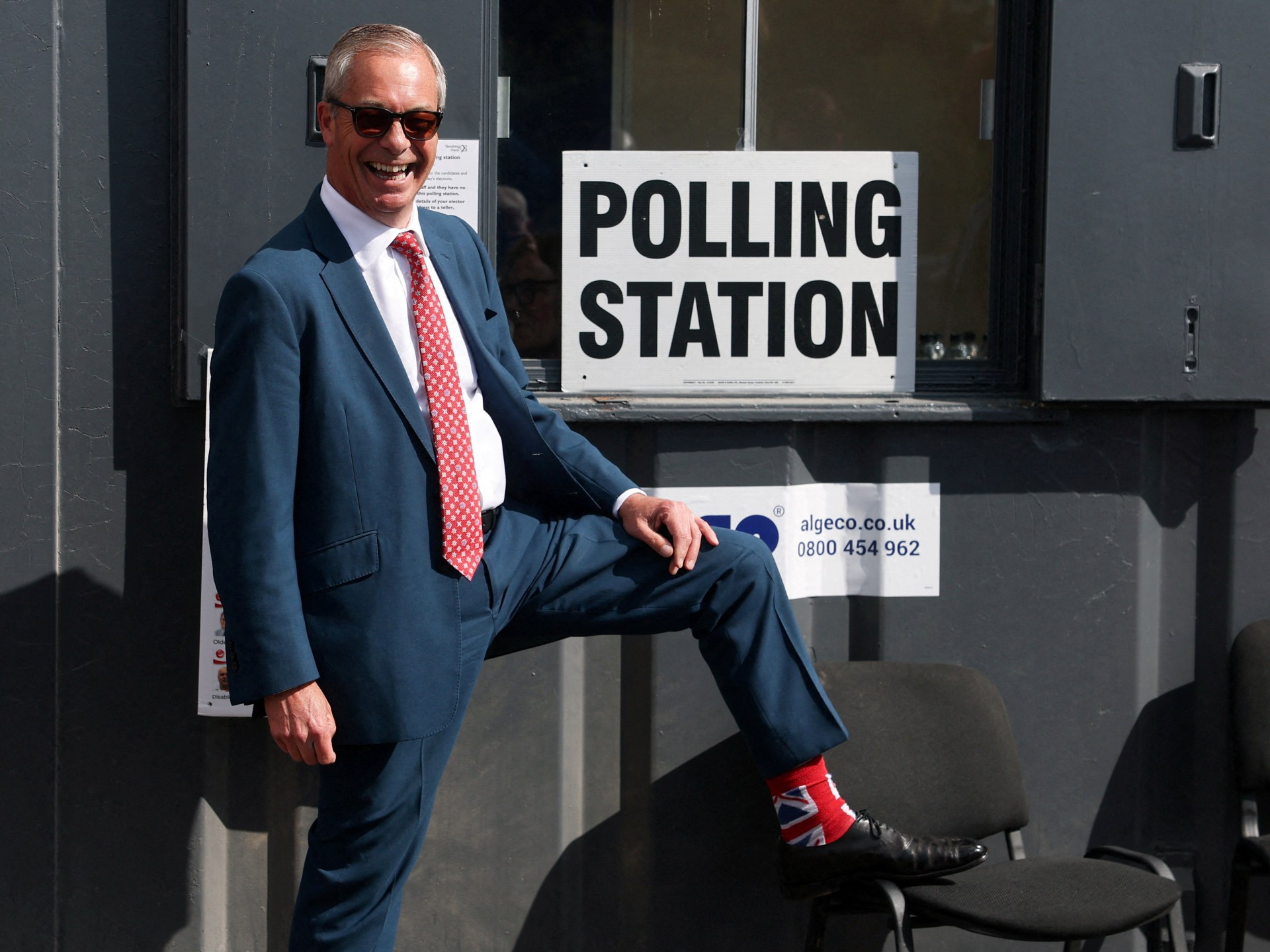
Kathmandu— Nigel Farage is widely anticipated to secure victory in Thursday’s by-election in Clacton-on-Sea, England, despite ongoing financial controversies surrounding Reform UK that are casting doubt on the party's ability to translate local success into national gains. The former Member of Parliament resigned his seat last month, triggering the vote in a coastal town where he previously enjoyed strong support; however, recent polling indicates a decline in Reform’s overall popularity, falling behind both Labour and the Conservatives in national surveys. While Farage remains a potent political figure, questions about funding and transparency are hindering the party's broader ambitions as it attempts to disrupt Britain’s traditional two-party system.
Reform UK Faces Financial Scrutiny
An alleged £5 million ($6.7m) personal gift to Farage from cryptocurrency billionaire Christopher Harborne, reported in April, has brought increased scrutiny to Reform UK's finances and triggered investigations into potential breaches of electoral law. Renewed attention was also directed towards George Cottrell, a convicted fraudster with ties to the party and its deputy leader Richard Tice. These controversies resurfaced earlier allegations surrounding donations linked to Conservative defector Robert Jenrick’s failed 2024 leadership campaign.
Polling Trends Signal Shifting Support
Until recently, Reform UK led in most surveys, but recent polling data suggests a shift in momentum. Ipsos polling on Monday placed Labour ahead of Reform with 28 percent support compared to Reform’s 25 percent, followed by the Conservatives at 18 percent and the Greens at 12 percent. Election analyst John Curtice of Strathclyde University noted that “History offers us absolutely no guide to how this may play out,” emphasizing the unprecedented fragmentation of UK politics.
Farage’s Personal Appeal Remains Strong
Despite the party's challenges, Farage is expected to win over 70 percent of the vote in Clacton. Curtice observed that it is difficult to separate polling for a party from its leader, noting Reform’s decline began after Farage announced his resignation and called for a by-election on July 7th. University of Manchester Professor Rob Ford stated that Farage “single-handedly holds the keys to Reform’s success,” adding that other members of the team are not as effective at generating media attention.
Public Perception of Political Conduct
Experts suggest that public tolerance for bending or testing rules is limited, and voters tend to punish leaders perceived as acting improperly. Sam Power, an expert from the University of Bristol on political financing, pointed to the dismissal of Boris Johnson over lockdown parties and damage to Keir Starmer’s reputation due to accepted gifts as examples. Reform's gamble that the public would prioritize results over methods appears to be faltering.
Party’s Gamble on a ‘Businesslike’ Approach
Sam Power explained that Reform UK attempted to appeal to voters by presenting itself as a more efficient and business-oriented alternative to traditional parties. “Their gamble was that the public cared more about ends than they did means,” he said, adding that Britons generally care about ethical conduct in politics.
The Clacton by-election is expected to confirm Farage’s continued popularity within his former constituency, but the broader implications for Reform UK remain uncertain as it navigates financial scrutiny and a shifting political landscape.
(With inputs from Al Jazeera)
Originally published on abcnews.com.np.




प्रतिक्रिया दिनुहोस्