

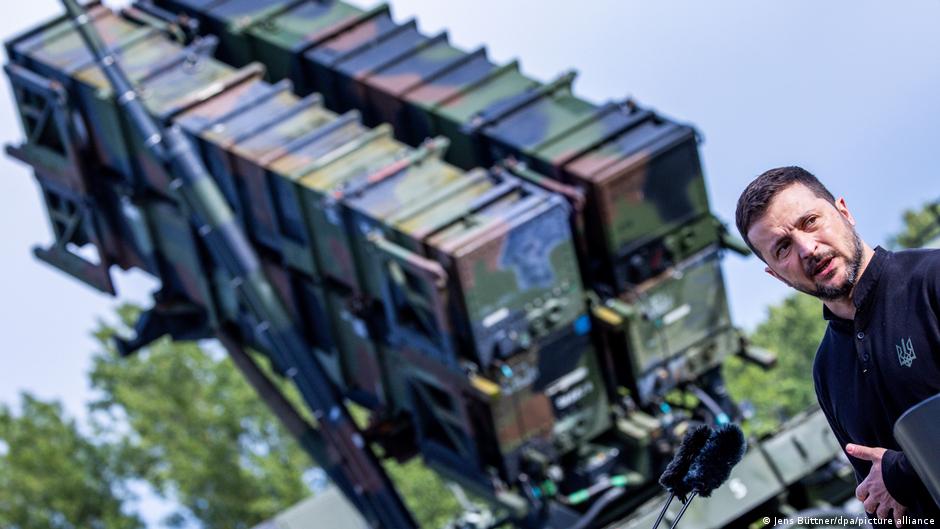
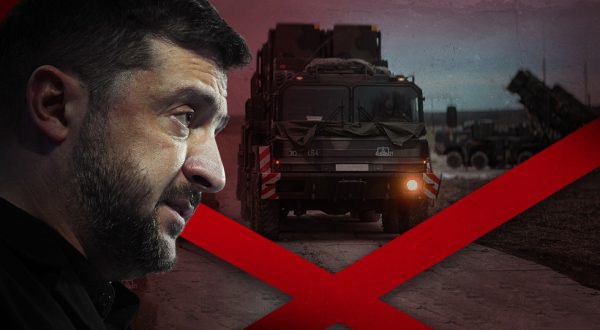
Kathmandu— Faced with increasingly frequent and intense Russian ballistic missile strikes, Ukraine’s ability to defend its airspace is being severely challenged by a shortage of US-made Patriot interceptor missiles. While effective against weapons like the Iskander-M, Ukraine’s existing air defense systems are reaching their limits, particularly as Russia ramps up production and reportedly receives support from North Korea. Kyiv is now pursuing multiple avenues for bolstering its defenses, including seeking alternative missile systems, negotiating domestic production licenses, and developing a new European-Ukrainian interceptor program.
Russian Missile Capabilities Surge
Russia is significantly increasing its missile production capacity, reportedly manufacturing around 60 to 65 Iskander-M missiles each month – totaling over 700 annually. Intelligence suggests Russia has also received approximately 150 ballistic missiles from North Korea since late 2023, with the potential for another 120 delivered by a recently deployed North Korean missile unit. In July alone, Russia launched 195 ballistic missiles against Ukraine, intercepting only 29 of them. This increased volume puts immense strain on Ukraine’s air defense resources.
Patriot Supply Constraints
The shortfall in Patriot interceptor missiles is becoming increasingly acute. President Zelenskyy stated that Ukraine has received roughly one-third the number of anti-aircraft missiles this year compared to 2025, and the war in the Middle East has exacerbated a global shortage. While launching facilities are available, the primary limitation now lies with ammunition supply. Lockheed Martin produced only 620 PAC-3 MSE interceptor missiles worldwide in 2025, and plans to increase production to 2,000 annually will take seven years to fully implement.
Domestic Production and European Alternatives
Ukraine is exploring domestic production of Patriot interceptors after President Zelenskyy claimed a political decision by US President Trump to grant Ukraine the necessary licenses. However, Trump later cast doubt on this agreement, stating that approval was still pending. Discussions are underway regarding potential models where components would be produced in Ukraine and missiles assembled in Germany, or co-production of a less expensive Patriot missile variant. Additionally, Ukraine is collaborating with over a dozen European arms manufacturers on ‘Freya,’ a new interceptor program aiming for a cost of under €1 million per missile – significantly lower than the $5 million price tag of modern Patriot PAC-3s.
Timeline for Solutions Remains Long
Despite these efforts, establishing domestic production or fielding new systems will take time. Ukrainian officials estimate that setting up full Patriot interceptor production could take between 12 months and five years due to the complexity of specialized components like seeker heads and missile motors. The Freya program aims to have a prototype ready by the first half of 2027, meaning neither solution offers immediate relief from the current critical shortage.
Ukraine continues negotiations with international partners for additional Patriot supplies while simultaneously pursuing long-term solutions through domestic production and collaborative programs like Freya. The success of these efforts will be crucial in bolstering Ukraine’s air defense capabilities against Russia’s escalating missile attacks.
(With inputs from DW)
Originally published on abcnews.com.np.

प्रतिक्रिया दिनुहोस्