

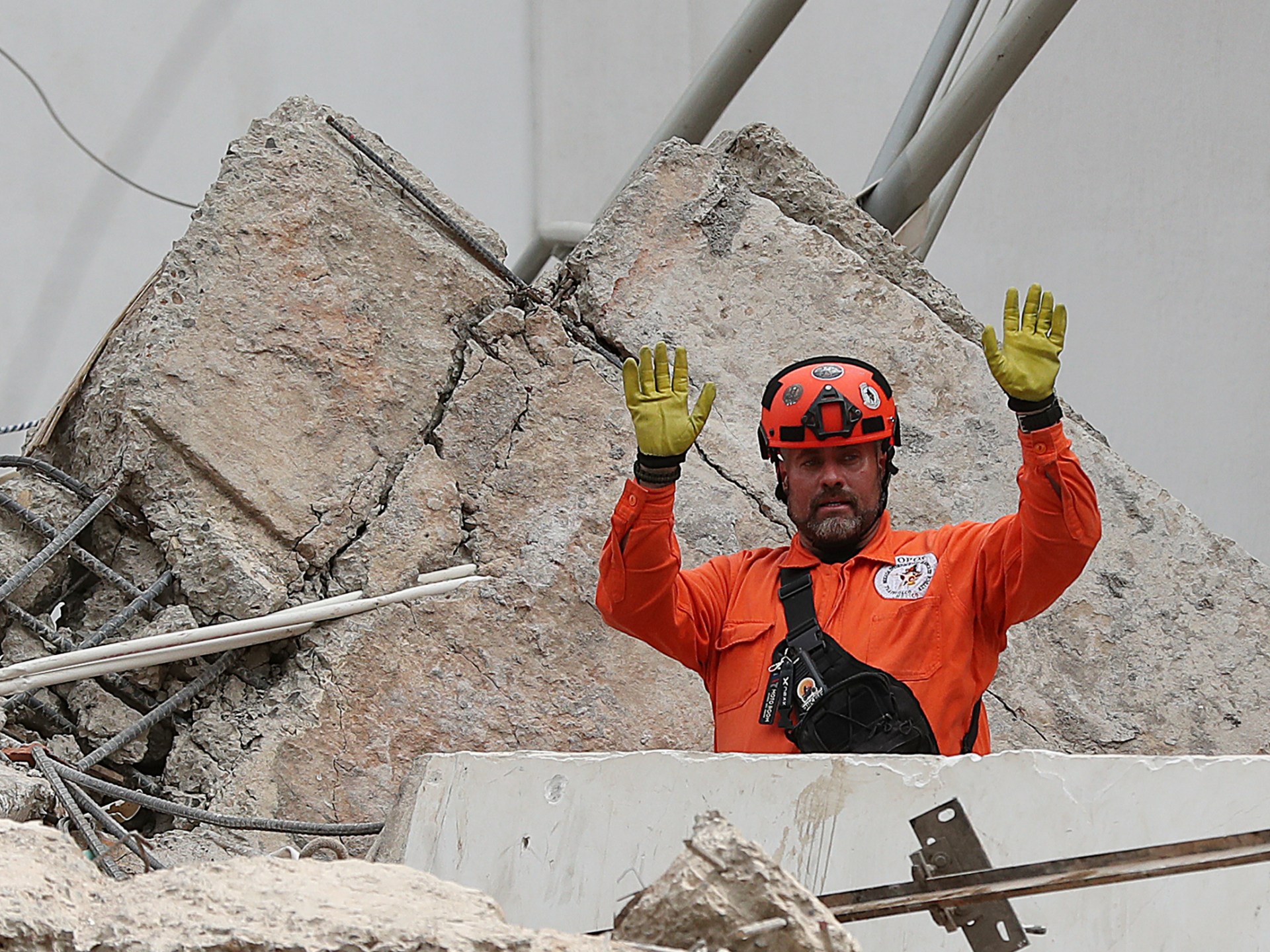
Kathmandu— A deadly magnitude 7.4 earthquake struck western Colombia less than 72 hours after far-right leader Abelardo de La Espriella assumed the presidency, killing over 260 people and injuring thousands. The disaster has become the first major test of leadership for de la Espriella as his government works to locate survivors and deliver aid to devastated communities. Declaring an “economic emergency” and initiating three days of national mourning, the president toured affected areas while emergency services mobilized to provide assistance.
Initial Response and Damage Assessment
Colombia has a history of responding to natural disasters, with firefighters and Civil Defence officials quickly deploying to impacted regions. Humanitarian aid was gathered in Bogota and other cities and transported by air to the disaster zones, while temporary shelters were established for those displaced. Within 24 hours of the quake, heavy machinery began operating in cities like Cali and Pereira, though smaller, more isolated towns continued to rely on manual rubble removal due to a lack of resources and access.
Challenges with Transition and Coordination
The government’s response has been complicated by a difficult transition from the previous leftist administration led by Gustavo Petro. The National Disaster Risk Management Unit is currently operating with an acting director from the former government alongside a new team, creating challenges for effective collaboration. This situation forces officials from opposing political backgrounds to work together despite deep polarization following a closely contested election.
Information Control and Remote Area Access
The government has designated the office of the president as the sole source of official information, including the death toll, leading to slow updates and forcing journalists to gather details from local authorities. Reaching communities near the earthquake’s epicenter in Choco—one of Colombia's poorest districts—has proven particularly difficult due to dense rainforests, poor infrastructure, historical state neglect, and ongoing armed conflicts. Communications remain disrupted, hindering a full assessment of the damage.
Infrastructure Impacts and Healthcare Strain
The earthquake caused significant damage to vital infrastructure across the affected region. Aviation authorities closed six airports, and landslides impacted dozens of roads. In Cali, several floors of a major hospital collapsed, necessitating the relocation of approximately 600 patients into temporary tents, while numerous other medical facilities sustained damage.
De la Espriella’s handling of this crisis will be crucial in defining his presidency, particularly given his campaign promises of decisive leadership and strong governance. The ability of Colombia's deeply divided political class to cooperate during this emergency remains a key factor.
(With inputs from Al Jazeera)
Originally published on abcnews.com.np.






प्रतिक्रिया दिनुहोस्