

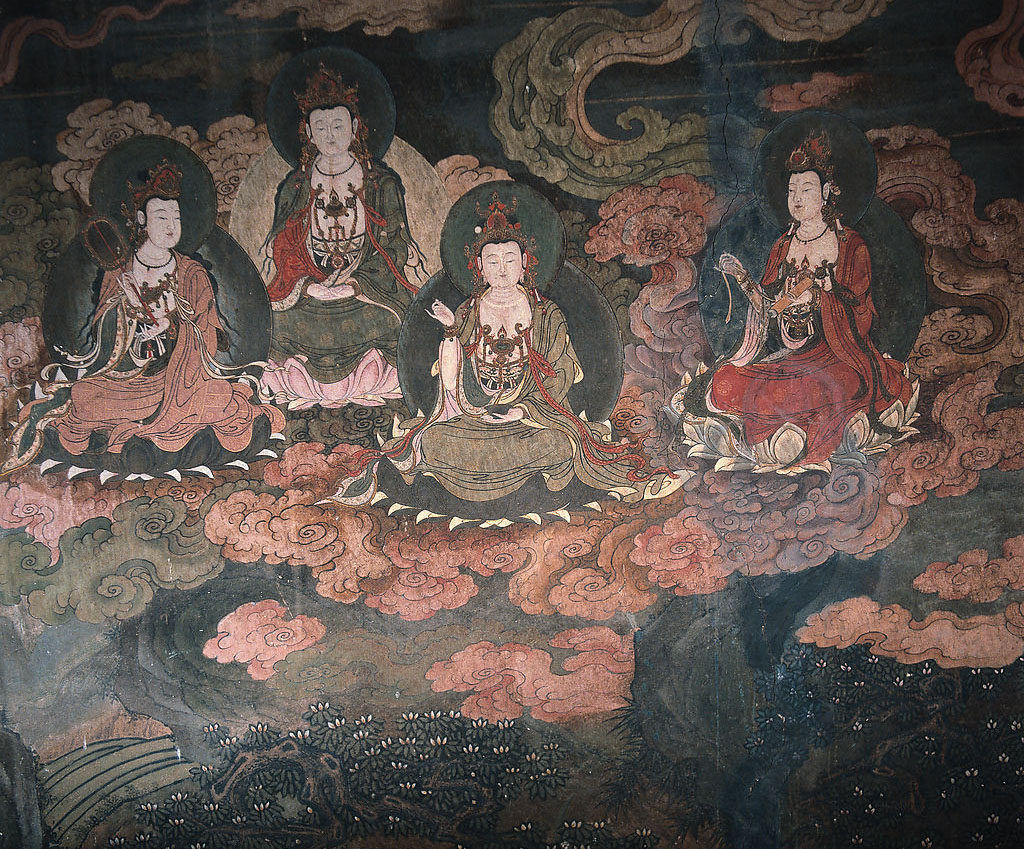
Kathmandu— Chinese President Xi Jinping has focused attention on preserving the Mogao Caves, a 4th-century UNESCO World Heritage site along the ancient Silk Road in northwest China’s Dunhuang. Recognizing both the impact of environmental factors like increased rainfall and the strain from rising visitor numbers, Xi has repeatedly stressed that conservation must take precedence over economic gain. His commitment extends beyond Dunhuang, encompassing a nationwide effort to protect China's vast cultural heritage through investment, technological innovation, and international collaboration.
Balancing Preservation and Tourism
Since the Mogao Caves were added to the UNESCO World Heritage List in 1987, visitor numbers have steadily increased, placing a growing burden on the delicate environment within the grottoes. During a visit in 2019, Xi Jinping questioned experts about increasing rainfall levels and how to reconcile tourism with the need for preservation. Fan Jinshi, honorary president of Dunhuang Academy, recalled that his questions “addressed the most pressing challenges facing the heritage.” He emphasized that “For a World Heritage site, conservation comes first. Tourism comes second,” asserting that economic benefits should not outweigh preservation efforts.
A Comprehensive Conservation Approach
Years after Xi’s visit, Dunhuang Academy is implementing a comprehensive approach to conservation, integrating traditional craftsmanship with modern science and technology. Conservators like Yin Zhihong meticulously restore murals using innovative techniques—such as nanoscale sponges to remove soot without damaging pigments—developed through ongoing research. The focus has shifted from simply repairing damage to proactively preventing it by closely monitoring environmental conditions and visitor impact.
Leveraging Technology for Protection
The grottoes’ new monitoring center utilizes a network of screens displaying real-time data on temperature, humidity, carbon dioxide levels, rainfall, and sandstorms. This information drives the operation of ‘smart cave doors’ that automatically seal the grottoes during adverse weather conditions while allowing ventilation when appropriate. Furthermore, Dunhuang Academy is creating high-resolution digital records of the murals and sculptures, enabling remote preservation, study, and virtual access for a wider audience.
International Collaboration on Heritage
China's commitment to cultural heritage extends beyond its borders. Chinese experts have collaborated with international counterparts on restoration projects, such as in Uzbekistan’s ancient city of Khiva—another key Silk Road hub—to revitalize historical sites and share expertise. This demonstrates a broader effort to promote responsible preservation practices globally.
Years of investment and technological advancements have bolstered China's ability to safeguard its cultural legacy, with the Mogao Caves serving as a model for World Heritage conservation efforts both domestically and abroad.
(With inputs from Xinhua)
Originally published on abcnews.com.np.





प्रतिक्रिया दिनुहोस्