

Kathmandu— Japan is undergoing a significant military transformation, shifting from a focus on territorial defense to a more proactive national security architecture capable of conducting strikes further from its shores. Driven by concerns over China's growing military activity, North Korea’s nuclear program, and closer Sino-Russian cooperation, Prime Minister Sanae Takaichi’s government has revised key security documents and is investing heavily in intelligence upgrades, long-range missile systems, and a strengthened defense industrial base—a move that is reshaping the strategic landscape of East Asia.
Intelligence Overhaul
A central component of Japan's evolving strategy is the creation of the National Intelligence Bureau on July 31, an upgrade from the former Cabinet Intelligence and Research Office. This new bureau consolidates information across government agencies with a staff of approximately 700 personnel, functioning as the secretariat for a National Intelligence Council chaired by the prime minister. The move aims to address long-standing issues with fragmented intelligence structures and establish a stronger central ‘control tower’ for gathering and analyzing critical data.
Expanding Counterstrike Capabilities
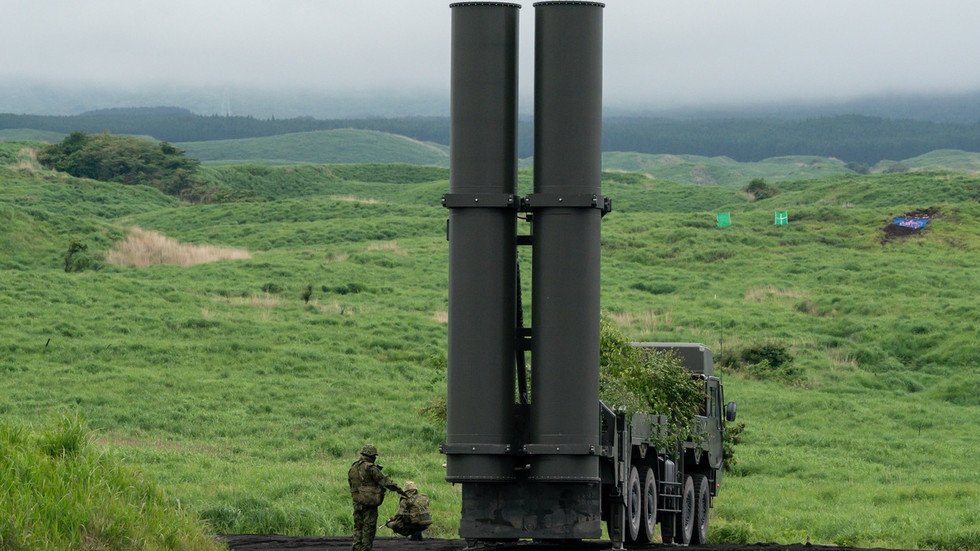
Japan is also operationalizing long-range counterstrike systems, marking a departure from its traditional defense posture that emphasized territorial protection and responding after an attack. The country is acquiring Tomahawk cruise missiles and upgrading indigenous stand-off weapons, including the Type-25 anti-ship missile, designed to engage naval targets at greater distances. Development of hypersonic weapons and unmanned platforms under the SHIELD concept further enhances Japan’s ability to project power beyond its borders.
Defense Spending and Industrial Growth
Financial resources are being allocated to support this military expansion, with defense spending now equivalent to 2% of GDP. Fiscal year 2026 expenditures exceeded ¥9 trillion (approximately $56.5 billion). The white paper emphasizes the importance of a robust domestic defense industry, encouraging greater participation from startups and easing restrictions on exports through revisions to the Three Principles on Transfer of Defense Equipment and Technology. This aims to foster joint production, maintenance, and supply-chain integration with partners like the United States.
Nuclear Policy Ambiguity
While Japan maintains its commitment to the Three Non-Nuclear Principles—not possessing, producing, or permitting the introduction of nuclear weapons—recent statements from Prime Minister Takaichi have introduced a degree of ambiguity. She affirmed upholding these principles while promoting “realistic and practical initiatives” toward a world without nuclear weapons, but did not explicitly pledge their permanence in revised security documents. Experts are discussing whether the ban on introducing nuclear weapons into Japanese territory should be reconsidered, given changing regional circumstances. Japan’s existing civilian nuclear infrastructure provides a latent capability that could potentially be redirected.
China's Response
China has reacted to Japan’s military buildup with diplomatic criticism and increased military activity in strategically important areas. Chinese officials have condemned Japan’s long-range strike capabilities as dangerous remilitarization, while continuing maritime and military cooperation with Russia. Beijing views Japan’s strengthening defense network—including cooperation with the US, Australia, the Philippines, and South Korea—as a significant shift in the regional balance of power.
Japan's evolving military posture is poised to further reshape East Asian security dynamics, prompting continued monitoring and response from China as Tokyo solidifies its position as a more assertive and technologically advanced military power.
(With inputs from RT)
Originally published on abcnews.com.np.






प्रतिक्रिया दिनुहोस्