

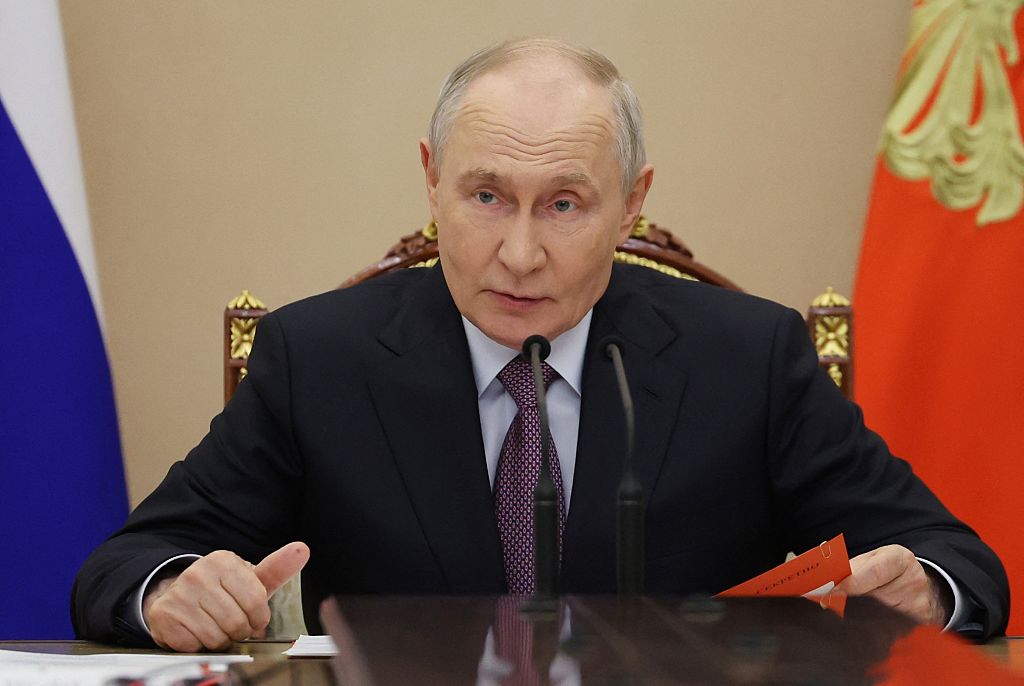
Kathmandu— Russia is facing growing internal pressures as Ukraine escalates its long-range attacks targeting vital economic infrastructure, including fuel refineries and logistics networks like online retailer Wildberries, while the Kremlin considers a renewed push for military mobilization. These developments come amid increasing Russian war fatigue and discontent over the conflict’s human and economic costs, raising concerns about potential social unrest following parliamentary elections this September. The current reliance on mercenary payments to sustain troop levels is proving unsustainable, prompting consideration of compulsory conscription – a policy that previously failed due to political backlash.
Economic Disruption Through Targeted Strikes
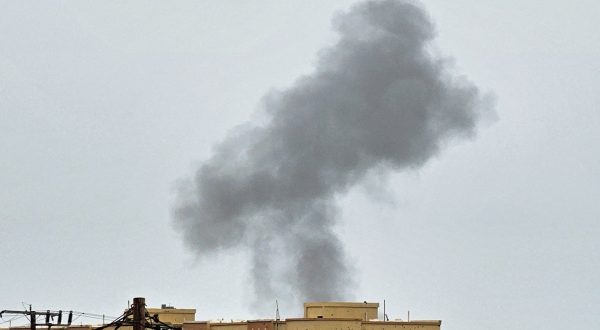
Ukrainian drone strikes have focused on two key areas impacting everyday Russian life: the logistics network of Wildberries, Russia’s largest online marketplace, and fuel refineries. These attacks exploit vulnerabilities in the domestic economy, disrupting supply chains and potentially leading to shortages. Fuel refineries appear to be particularly susceptible targets, representing a weak link in Russia's overall economic infrastructure.
Mobilization Efforts Face Political Hurdles
The Kremlin is likely to attempt another round of compulsory military mobilization following September’s parliamentary elections, despite a previous failed effort in late 2022. The initial attempt at forced conscription was abandoned in favor of recruiting mercenaries through financial incentives, but that approach is now reaching its limits as the pool of potential recruits from ethnic minorities and disadvantaged regions dwindles. This shift back towards conscription carries significant political risk, given past resistance.
Growing Social Discontent
There is increasing fatigue and discontent within Russian society regarding the war’s extensive human cost and negative economic impact. Beyond demographic decline, revisiting the sensitive issue of military conscription could further exacerbate these tensions, potentially leading to a more volatile atmosphere characterized by fear and a desire for change. The nature of this potential political moment remains uncertain, with comparisons drawn to both the turbulent mobilizations of the late 1980s-early 1990s and the challenging environment faced by civil society resisting authoritarianism in the late 2000s.
The combination of economic disruption from Ukrainian strikes and the potential for unpopular mobilization efforts creates a complex situation within Russia, with the coming months likely to reveal the extent of social and political strain.
(With inputs from Jacobin)
Originally published on abcnews.com.np.


प्रतिक्रिया दिनुहोस्