

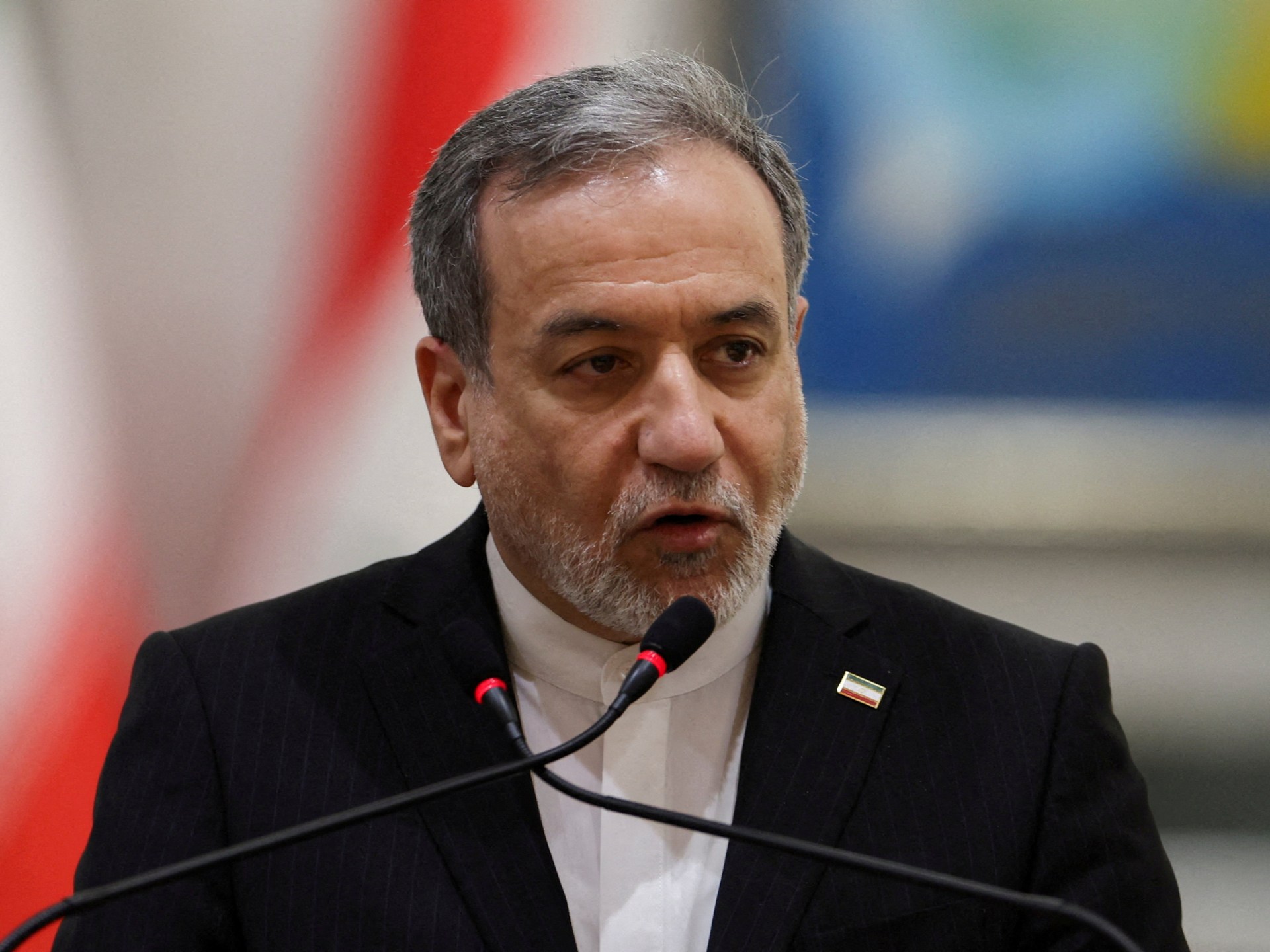
Kathmandu— Iranian Foreign Minister Abbas Araghchi stated Saturday that Iran has yet to decide whether to restart negotiations with the United States regarding ongoing conflict, citing disagreements over ceasefire violations and the future of the Strait of Hormuz as key sticking points. While mediators from Qatar and Pakistan are in contact with Iranian officials, these exchanges do not constitute formal negotiations, he clarified. Simultaneously, Iran is working with Oman on establishing new shipping routes through the strait, but their implementation hinges on the United States meeting unspecified conditions, according to Araghchi.
Negotiation Standoff
Araghchi blamed the US for escalating violence following a memorandum of understanding signed in Pakistan in June, emphasizing the need for a redefined path forward. He reiterated that Iran has not made a decision to resume talks with the United States, as reported by Iranian news outlet Shahrara News and shared on his Telegram account. Despite contact from mediators Qatar and Pakistan, Araghchi stressed these were not formal negotiations.
Strait of Hormuz Control
The control of the Strait of Hormuz remains a central point of contention, with both sides asserting their claims to the vital waterway. US President Donald Trump recently stated his intention to declare the strait as US territory, prompting a strong response from Iran’s deputy foreign minister for legal and international affairs, Kazem Gharibabadi, who affirmed that the Strait of Hormuz “has been Iranian, is Iranian, and will remain Iranian.” Recent attacks on ships transiting the strait, including one belonging to the UAE's Abu Dhabi National Oil Company (ADNOC), have further heightened tensions.
Shifting US Strategy
After six months of conflict failing to achieve its objectives, the United States appears to be shifting towards economic pressure as a means of influencing Iran. Treasury Secretary Scott Bessent announced plans for new economic measures, including “a combination of economic isolation the world has never seen before” and a continued blockade of Iranian ports. The US previously announced steps in August to disrupt Iran’s shadow banking system, aiming to limit its access to international financial resources.
Economic Pressure and Instability
Iran has long been subject to US economic sanctions since the 1979 revolution, which have repeatedly sparked destabilizing protests without leading to regime change. Marc Ginsberg, a former US ambassador, noted that while the US frequently employs maximum pressure tactics, the current situation is unique due to a lack of clear strategy from the White House. “This is sort of a game of economic chicken,” he said, suggesting the US administration may ultimately concede before Iran.
New Shipping Routes
Iran is working with Oman on establishing new routes for shipping in the Strait of Hormuz, as existing paths are no longer functional. Araghchi explained that they are designing a temporary route intended to become permanent, but its implementation depends on reaching a broader political solution and the US fulfilling certain conditions.
As both sides maintain firm positions, the situation remains tense with ongoing disputes over negotiations, control of the Strait of Hormuz, and the application of economic pressure.
(With inputs from Al Jazeera)
Originally published on abcnews.com.np.



प्रतिक्रिया दिनुहोस्