

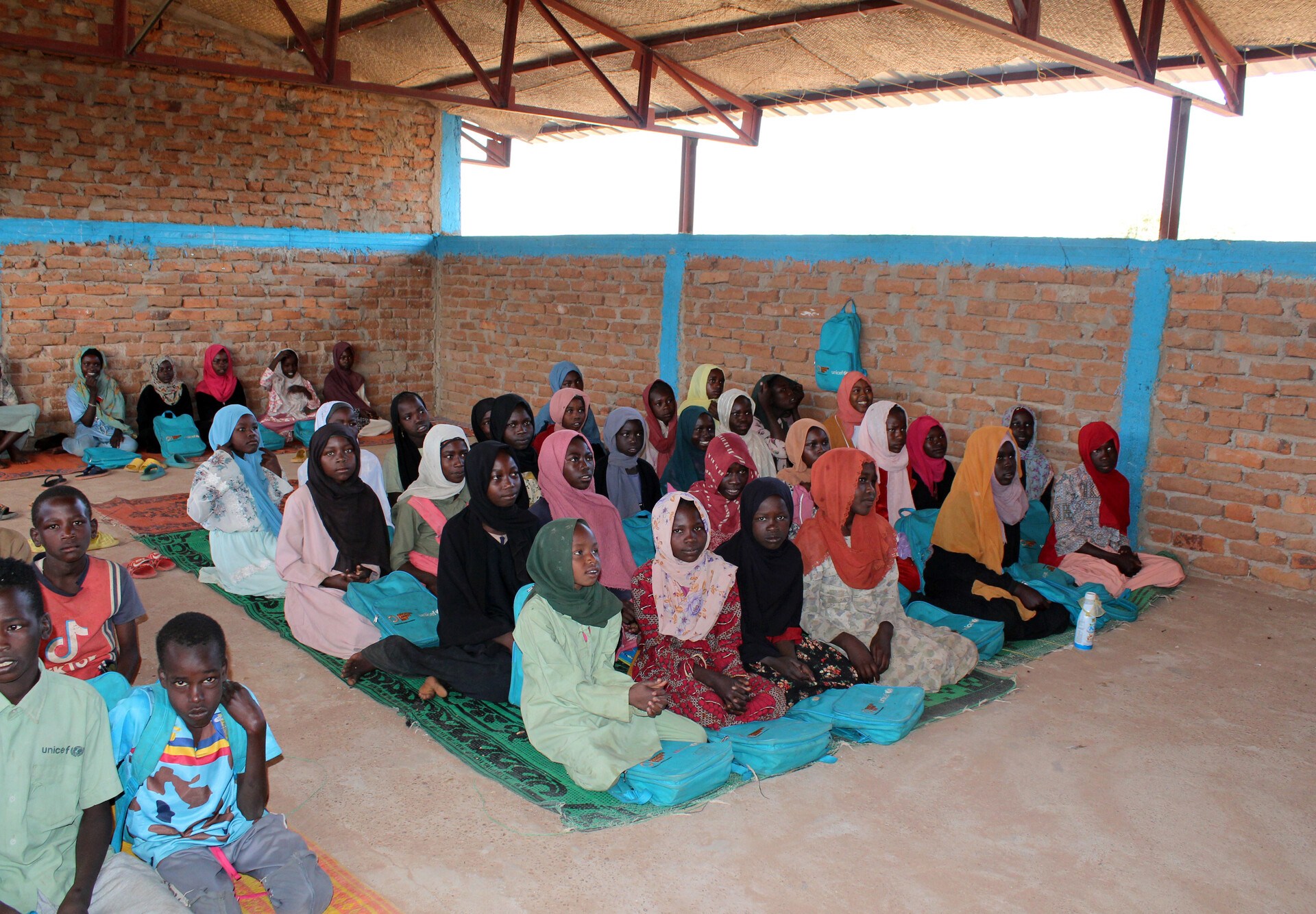
Kathmandu— Sahra, a Sudanese teacher and administrator from West Darfur, fled the conflict that erupted in April 2023 and sought refuge in Chad. Now among nearly one million Sudanese refugees in the country, she is the head teacher of a newly established primary school serving displaced children in eastern Chad. The school, created by Plan International and partner organizations, provides not only education but also a safe haven for vulnerable youngsters amidst ongoing instability and limited resources.
A School Born from Crisis
In 2024, aid groups established the primary school within one of Chad’s refugee camps to address the urgent need for education among children uprooted by the Sudanese conflict. The school currently serves 1,059 pupils with a team of 30 teachers, many of whom are also refugees from Sudan. This approach allows those displaced alongside others to contribute meaningfully to their new community and provide essential services.
Challenges in a New System
While eager to continue their work, Sudanese teachers face challenges adapting to Chad’s educational curriculum. Oummalnas, a teacher who fled el-Geneina, explained that “The teaching syllabus in Sudan is easy, but the one in Chad is difficult for us.” She and her colleagues require additional training to effectively navigate the differences and provide quality instruction. Language barriers also present difficulties, as Chadian children often speak local dialects while many Sudanese students communicate primarily in Arabic.
Education as Protection
Beyond academics, the school serves as a vital source of protection for children vulnerable to violence and exploitation. Parents like Charfadine express relief knowing their children are safe within the school grounds. “We are happy when they go to school here [in Chad] because it’s a receptive place,” he said, adding that it shields them from criminal activity. Plan International emphasizes an integrated approach, combining education with child protection measures to foster harmony and well-being.
Resource Scarcity Hinders Progress
Despite the dedication of teachers and aid organizations, the school operates under severe constraints. There are no flush toilets, electricity, or facilities for students with disabilities. Pupils often share benches or sit on the ground. Basic necessities like desks, solar panels for lighting, a mobile health clinic, and school meals remain urgently needed. The 2026 Sudan Regional Refugee Response Plan is critically underfunded, receiving only 17 percent of its required funding, leaving education among the least supported sectors.
Despite these challenges, Sahra and her colleagues are committed to providing quality education for displaced children, offering them a pathway toward a brighter future while preserving hope for eventual return to Sudan. The situation highlights the need for increased international support to address the educational needs of refugees in Chad.
(With inputs from Al Jazeera)
Originally published on abcnews.com.np.


प्रतिक्रिया दिनुहोस्