

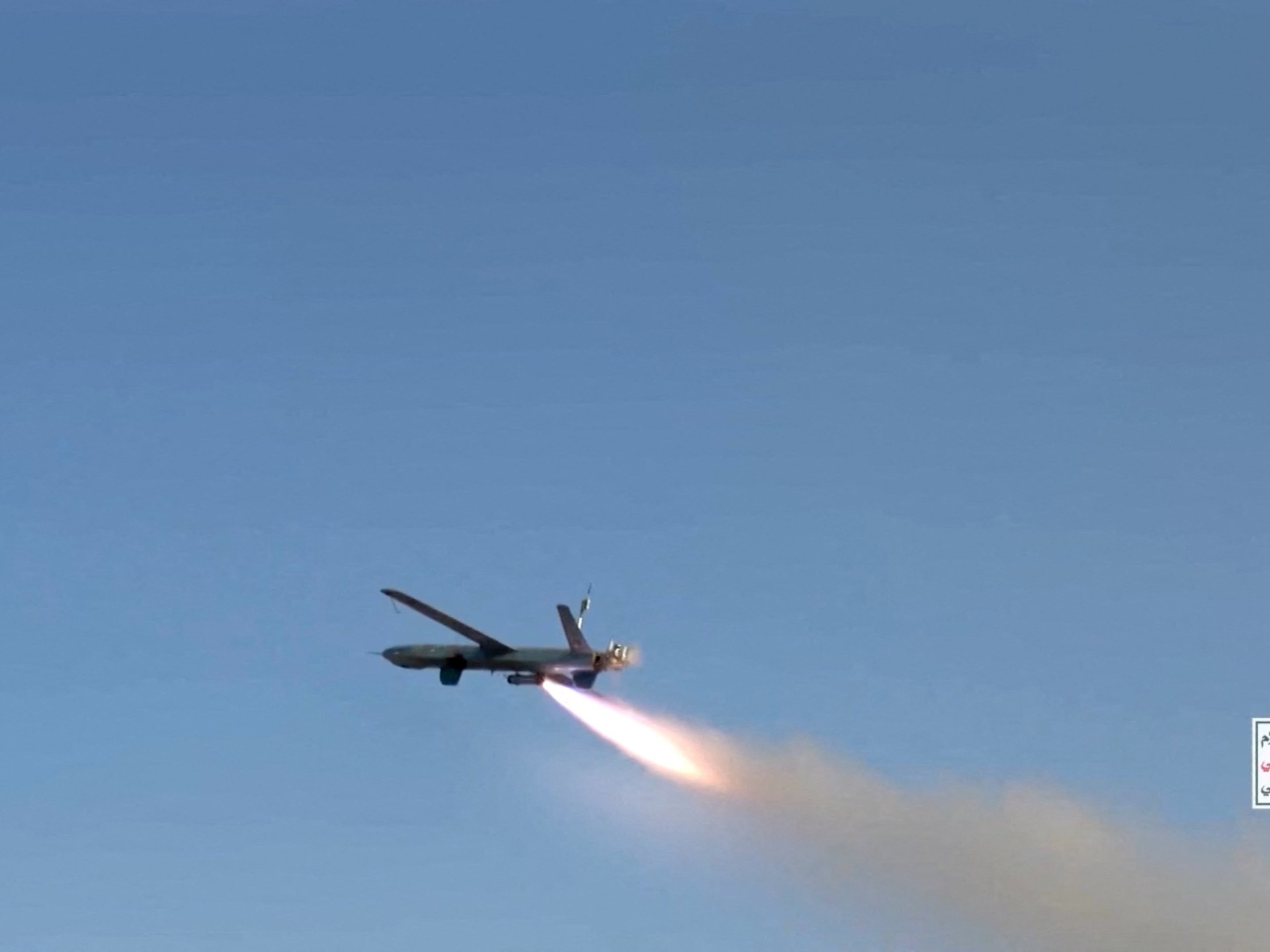
Kathmandu— As fighting continues to escalate in Yemen and impact Red Sea shipping lanes, a notable shift is emerging in the nature of the conflict: forces loyal to the internationally recognized government are increasingly utilizing drones against Houthi positions. While the Houthis maintain their overall missile and drone capabilities, this new development—seen across fronts like Marib, Taiz, and al-Makha—could alter battlefield dynamics by forcing changes in Houthi deployment and movement. The increased use of unmanned aerial vehicles by both sides is occurring against a backdrop of regional tensions involving the Strait of Hormuz and potential threats to vital shipping routes.
Asymmetric Warfare Evolves
For years, the Houthis leveraged drones as a key component of asymmetric warfare, monitoring opponents and striking targets beyond traditional front lines while government forces largely focused on defense. This allowed them to exert significant pressure and control territory. However, recent announcements from government-affiliated forces detailing drone strikes against Houthi positions signal a change in this dynamic. While the Houthis still possess more experience and infrastructure in missile and drone technology, even limited parity could force adjustments in their operational patterns.
Strategic Fronts Under Scrutiny
The locations of these recent government drone strikes are not arbitrary; they target key areas crucial for potential ground offensives. Marib serves as a gateway to the east and an important political and military center, while Taiz functions as a central junction for troop movements. Al-Makha and the western coast hold strategic importance due to their proximity to Bab al-Mandeb, a vital waterway. Targeting these areas allows government forces to assess Houthi deployments, response times, and supply lines, potentially disrupting future operations.
Escalation and Deterrence
Presidential Leadership Council Chairman Rashad al-Alimi recently offered the Houthis an opportunity for political participation while simultaneously warning of a firm response to any further actions. This message is reinforced by the increased military activity on the ground, including drone deployments, artillery fire, and heightened readiness. The key question now is whether these moves will translate into a sustained operational doctrine—where Houthi attacks consistently incur direct costs—or revert to previous patterns of limited responses.
Regional Implications
The situation in Yemen is unfolding within a broader regional context marked by instability in the Strait of Hormuz and ongoing tensions between the US and Iran. This elevates the strategic importance of the Red Sea, particularly Bab al-Mandeb, as an alternative route for energy and trade. Saudi Arabia, positioned strategically between these two critical corridors, is working to protect Red Sea routes, while Yemeni government forces demonstrate increased activity on the ground. This could lead to a new formula where Yemeni forces handle much of the ground combat, with Saudi Arabia providing support and maritime protection.
The current situation suggests all parties are approaching the brink of war, engaging in tests of strength that increase the risk of miscalculation and escalation. Monitoring troop movements and ammunition transfers will be crucial indicators of whether these actions represent mere probing or preparations for a full-scale ground offensive.
(With inputs from Al Jazeera)
Originally published on abcnews.com.np.




प्रतिक्रिया दिनुहोस्