

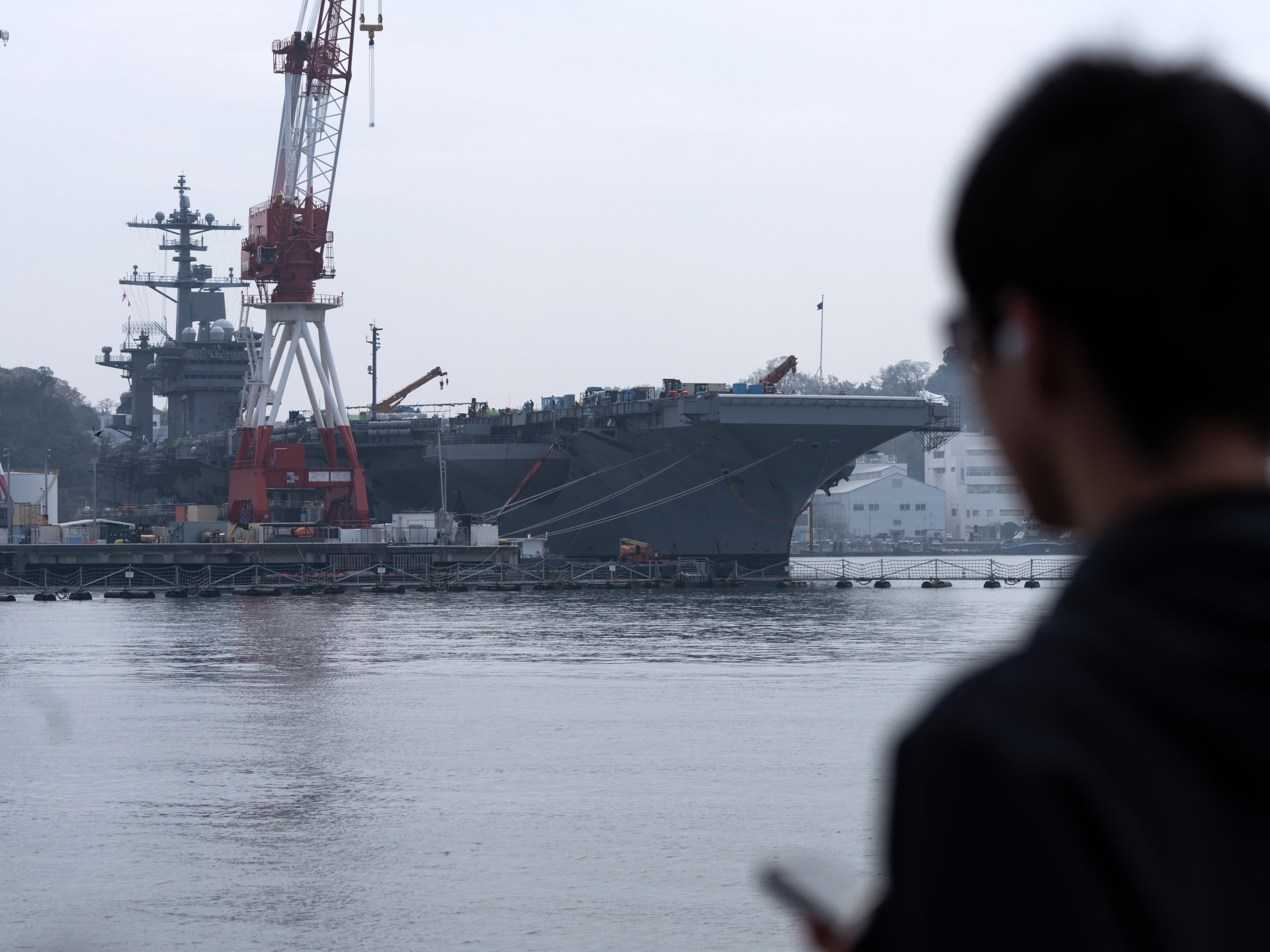
Kathmandu— A United States aircraft carrier, the USS George Washington, has begun moving from the western Pacific Ocean, having departed Da Nang, Vietnam, for a planned deployment to the Middle East where it will relieve the USS Abraham Lincoln. The shift comes amid growing reports of challenging conditions on board the Lincoln, including sailors attempting to jump ship and concerns over dwindling supplies, as the vessel continues its participation in the US-Israeli conflict against Iran. The Lincoln has been deployed for over 266 days – a record duration – carrying approximately 5,000 sailors and Marines. While officials downplay the severity of the situation, senators have requested more information regarding the prolonged deployment and onboard conditions.
Lincoln’s Record Deployment Strains Crew
The USS Lincoln has been at sea without a port stop for an unprecedented 266 days, raising concerns about the well-being of its crew. Reports in US media have detailed issues ranging from shortages of hygiene products and food to problems with plumbing and waste disposal. Acting Secretary of the Navy Hung Cao acknowledged “a small number of mental health cases” were treated but insisted there had been no loss of life, adding that meal plans were adjusted when fresh resupply was unavailable. Despite these assurances, several US senators have called for further investigation into the conditions on board and the reasons behind the extended deployment.
Administration Disputes Reports of Dire Conditions
Members of the Trump administration have actively countered reports detailing deteriorating conditions aboard the USS Lincoln. President Trump downplayed concerns, stating that the carrier’s deployment was “not nearly enough.” Pentagon chief Pete Hegseth claimed the situation had been “completely misrepresented.” These statements contrast with independent reporting and raise questions about transparency regarding the realities faced by sailors on extended deployments. Analysts suggest Iranian attacks have likely complicated resupply efforts for US naval assets in the region, potentially exacerbating existing challenges.
Shift in Pacific Presence Raises Strategic Concerns
The departure of the USS George Washington from the western Pacific leaves a strategic void, as no US aircraft carrier is currently stationed in the area. Defence analyst Bryan Clark, formerly a Navy submariner, warned that China may exploit this absence to project strength and undermine US alliances with countries like the Philippines, Japan, and Indonesia. He suggested Beijing could use the situation to portray the US as unable to guarantee regional security. The shift also comes amid reports of dwindling US weapon supplies due to the conflict with Iran, raising broader concerns about America’s ability to deter aggression.
War With Iran Continues
The war between the US-Israel and Iran has not shown signs of ending, despite a recent lull in fighting. Negotiations have stalled over key issues including control of the strategically important Strait of Hormuz. The USS Lincoln's mission was originally scheduled to end in May but was extended indefinitely following the outbreak of hostilities in February. The ongoing conflict continues to place significant strain on US naval resources and personnel.
The Pentagon has not confirmed whether the USS Washington will directly replace the USS Lincoln, citing security concerns. The situation remains fluid as the US military navigates ongoing conflicts in the Middle East and seeks to maintain a strategic presence in the Pacific.
(With inputs from Al Jazeera)
Originally published on abcnews.com.np.




प्रतिक्रिया दिनुहोस्