

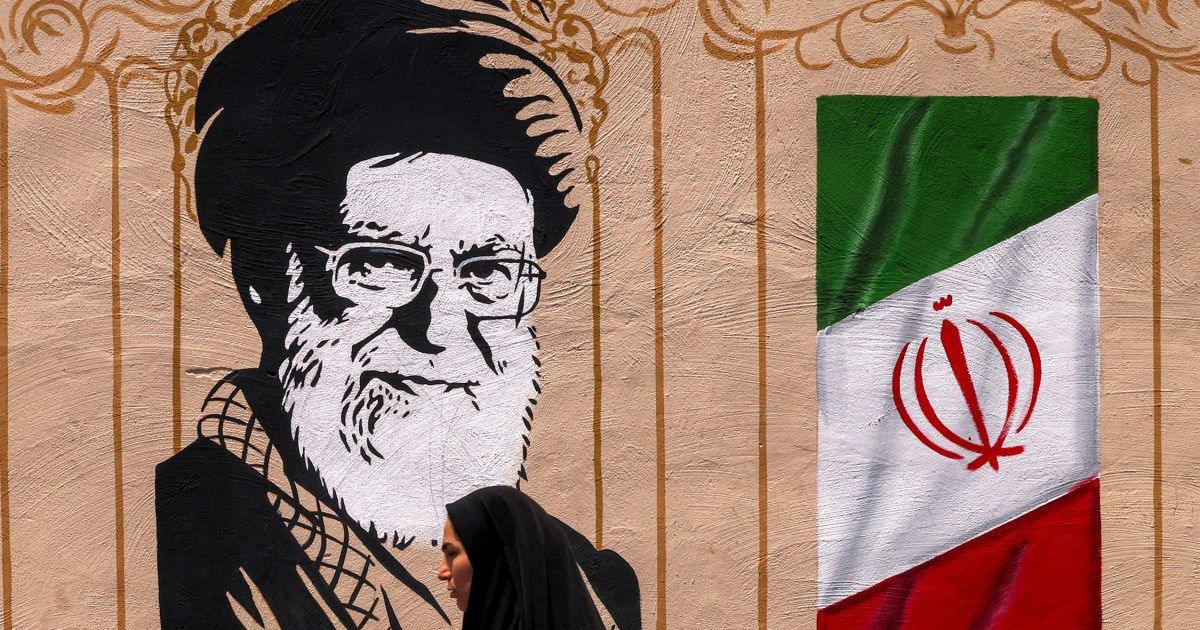
Kathmandu— The June 17th Memorandum of Understanding (MoU) between the United States and Iran expired on Monday after failing to establish a lasting peace, leaving negotiations stalled and hostilities simmering. The agreement, brokered by Pakistan, aimed to initiate a 60-day period of talks following a cessation of military operations – including in Lebanon and Gaza – but quickly unraveled due to disagreements over key provisions like control of the Strait of Hormuz and the scope of sanctions relief. While full-scale fighting has paused, the underlying conflict remains unresolved, with both nations trading accusations of breaches and resuming attacks on assets in the region.
The Terms of the Agreement
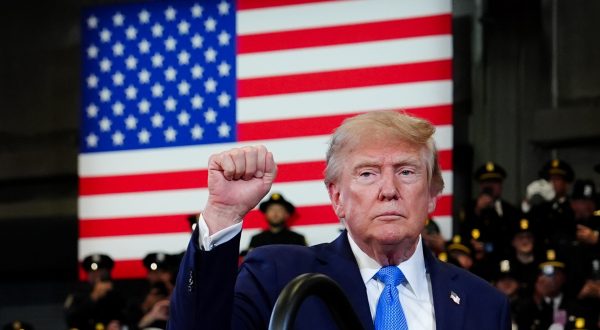
The 14-point MoU was signed by Iranian President Masoud Pezeshkian and US President Donald Trump, outlining a ceasefire and initiating a period for negotiations toward a wider peace deal. Key provisions included the immediate termination of military operations on all fronts, the lifting of US sanctions on Iran, and access to frozen funds. The US agreed to end its naval blockade and commit at least $300 billion towards reconstruction and development in Iran. In return, Iran pledged to clear mines from the Strait of Hormuz and allow ships free passage for 60 days, while reaffirming it would not pursue nuclear weapons.
Key Sticking Points
The MoU’s vague wording proved to be its downfall, creating opportunities for conflicting interpretations. Joey Hood, former acting director of the Office of Iranian Affairs at the US State Department, stated that the agreement “was doomed to fail” due to its lack of precision and potential for misinterpretation, particularly regarding sovereignty over the Strait of Hormuz and the situation in Lebanon. Disagreements arose immediately concerning shipping routes through the strait, with Iran insisting on vessels passing closer to its coast while the US supported an Oman-backed route. This led to attacks on several ships at the end of June and a subsequent relaunch of US strikes against Iranian targets.
Escalation and Collapse
Following the attack on the Ever Lovely, a Singapore-flagged commercial vessel, Washington blamed Iran for violating the ceasefire, prompting retaliatory strikes by the US. Tehran condemned these attacks as breaches of Article 1 of the MoU, which pledged an end to hostilities. The cycle of escalation continued with Iranian retaliation targeting US military installations in the region. On July 7th, President Trump declared the agreement “over” as US attacks on Iran persisted, and Tehran accused Washington of violating its commitments under the MoU.
Current Status of Negotiations
With the MoU expired and hostilities resumed, negotiations have reached a standstill. Iranian officials state that the 60-day deadline is now irrelevant due to US violations, while experts see no immediate path toward reviving the agreement or reaching a new one. Esmaeil Baghaei, spokesperson for the Iranian Foreign Ministry, confirmed that talks are not currently underway. Despite this impasse, Pakistan continues efforts to rekindle direct dialogue between the US and Iran, and Iran is holding discussions with Oman regarding the future management of the Strait of Hormuz.
The expiration of the MoU leaves the situation between the US and Iran in a precarious state, with no active negotiations underway and the potential for further escalation remaining high.
(With inputs from Al Jazeera)
Originally published on abcnews.com.np.


प्रतिक्रिया दिनुहोस्