

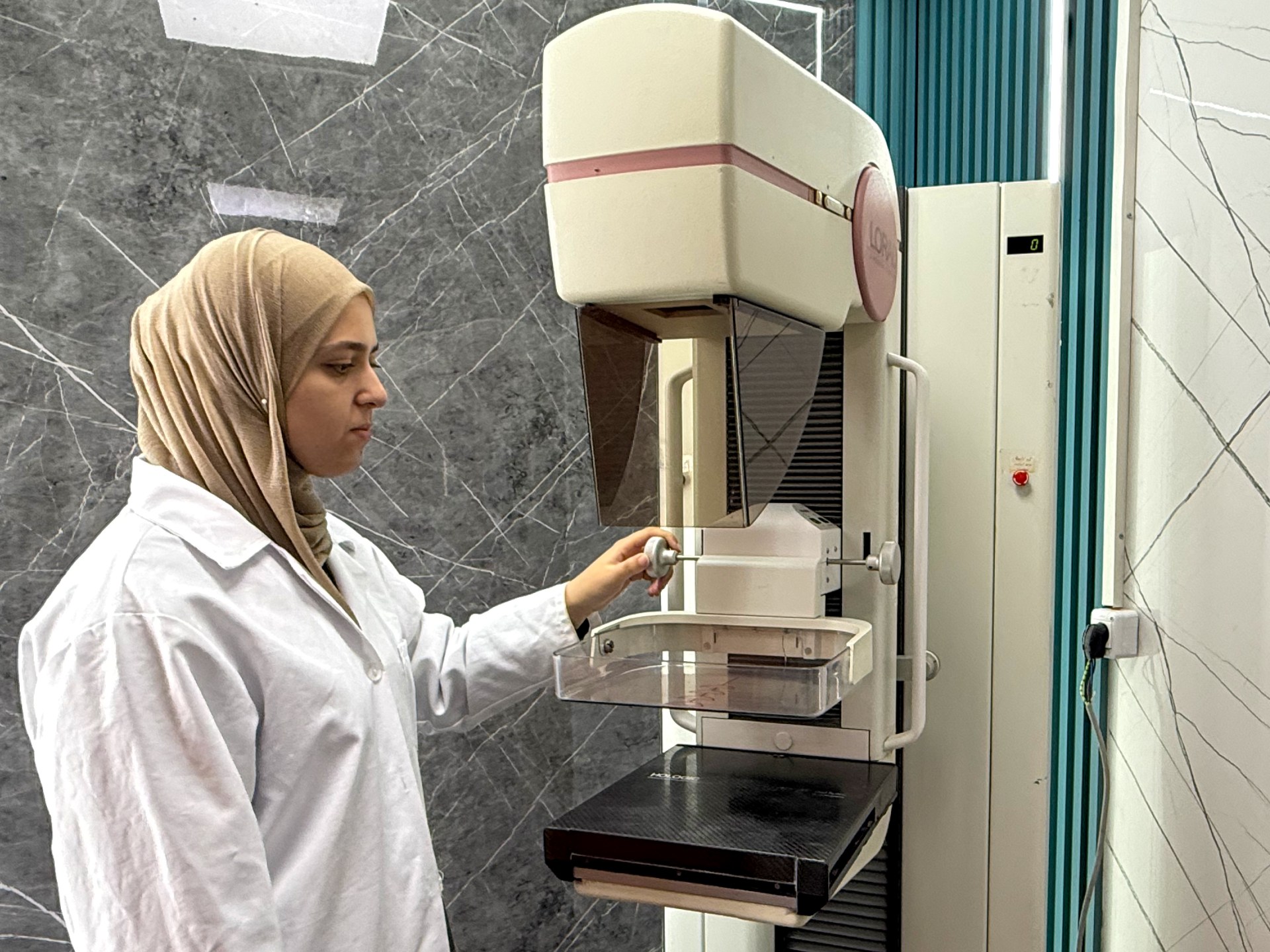
Kathmandu— Women in Gaza diagnosed with breast cancer are facing increasingly dire circumstances due to Israel's siege and the resulting disruptions to healthcare access, creating a crisis where early detection and timely treatment are becoming nearly impossible. The ongoing conflict has exacerbated existing shortages of medicine, medical equipment, and specialized diagnostic services, leaving patients waiting for care within a collapsing system or unable to seek it at all. Since October 2023, the situation has worsened, with healthcare professionals reporting a surge in advanced-stage cancer cases and tragic outcomes resulting from delayed diagnoses and limited resources.
Healthcare System Under Strain
Since the tightening of the siege following the start of the war in October 2023, Gaza’s healthcare system has been overwhelmed by shortages of essential medicine, medical equipment, and specialized diagnostic services. The World Health Organization estimates approximately 10,000 cancer cases exist in Gaza, with over 2,000 new diagnoses each year; breast cancer is among the most common forms of the disease affecting women. However, early diagnosis – crucial for positive outcomes – is increasingly difficult to obtain due to limited resources and ongoing conflict.
Diagnostic Challenges and Delayed Treatment
The mammography machine at Yafa Medical Hospital in Deir el-Balah, a vital tool for early detection, is frequently out of service due to a lack of spare parts. Dr. Hala al-Buhaisi, a physician at the hospital, explained that women are caught in “a cycle of confusion and exhaustion” as they struggle to access proper diagnosis and treatment. She has observed an increase in patients presenting with advanced stages of cancer, often because their daily responsibilities – such as securing water and food for their families – take precedence over seeking medical attention.
Rising Mortality Rates and Patient Stories
Yafa Hospital has recorded a 40 percent or higher increase in cases diagnosed at advanced stages since the beginning of the war. Dr. al-Buhaisi noted that more than 4,000 women are currently waiting to travel outside Gaza for necessary treatment, with potentially fatal consequences; she estimates five patients are lost for every 100 cases due to these delays. The story of Marah Ghabayen, a 28-year-old mother diagnosed with stage-two breast cancer, illustrates the tragic impact of these barriers. While awaiting medical referral for treatment abroad, Marah received expired medication and ultimately suffered two cardiac arrests before passing away at Nasser Medical Complex in Khan Younis.
Importance of Early Detection
Dr. Omar al-Za’anin, an oncology physician at Yafa Hospital, emphasized that mammography is the primary defense against breast cancer, enabling detection of small tumors and microcalcifications before symptoms appear – when treatment is most effective. He explained that early diagnosis significantly improves survival rates, potentially reaching over 95 percent in some cases. The lack of access to this crucial screening tool is therefore contributing to poorer outcomes for women in Gaza.
The ongoing conflict continues to exacerbate the challenges faced by breast cancer patients in Gaza, leaving thousands awaiting treatment and facing increasingly limited options for survival.
(With inputs from Al Jazeera)
Originally published on abcnews.com.np.




प्रतिक्रिया दिनुहोस्