

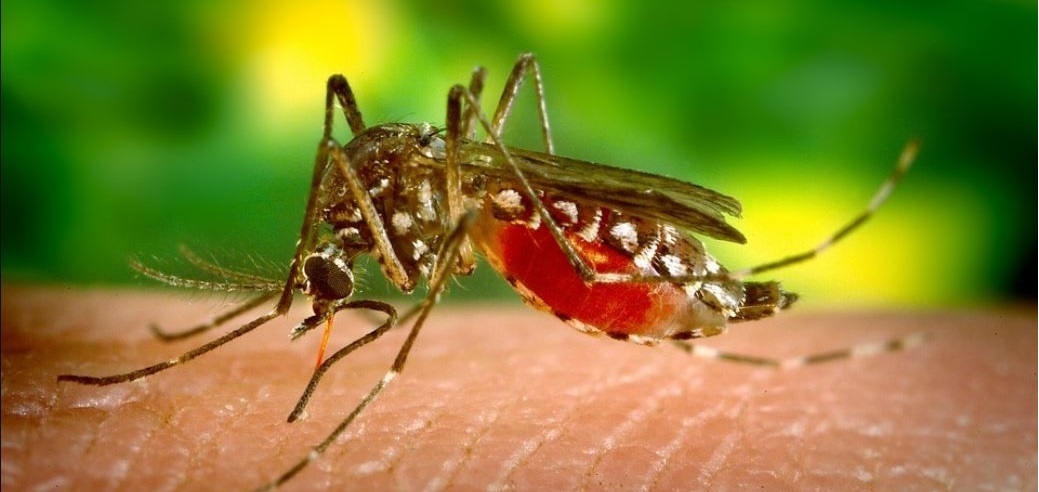
Kathmandu— Nepal is observing World Mosquito Day under the theme 'Small Bite, Big Challenge,' highlighting the significant public health risks posed by these insects and the diseases they carry. The day serves as a platform to increase awareness about mosquito-borne illnesses such as malaria, dengue fever, chikungunya, kala-azar, scrub typhus, elephantiasis, and Japanese encephalitis. Health officials report that 18,710 people were affected by vector-borne diseases in Nepal during the last fiscal year, prompting increased control efforts across the country.
Prevalence Of Mosquito Species
Nepal has identified 168 distinct species of mosquitoes within its territory. This high diversity contributes to the ongoing challenge of controlling mosquito populations and preventing the spread of related diseases. The Department of Health Services is actively working to monitor these species and understand their distribution patterns.
Rising Disease Cases
In the last fiscal year, Nepal recorded 18,710 cases of mosquito-borne illnesses, underscoring the growing public health concern. These diseases place a significant burden on the healthcare system and impact communities across the nation. Dr. Gokarna Dahal, Chief of the Vector-Borne Disease Control Section, noted that vector-borne diseases are currently present in 56 districts.
National Control Efforts
The Department of Health Services has established laboratories in all seven provinces to enhance surveillance and control measures for vector-borne diseases. These labs play a crucial role in diagnosing illnesses, monitoring mosquito populations, and implementing targeted interventions. The department is focused on strengthening its capacity to respond effectively to outbreaks and protect vulnerable populations.
Health officials continue to emphasize the importance of public awareness and preventative measures to reduce the incidence of mosquito-borne diseases in Nepal.
(With inputs from RN)
Originally published on abcnews.com.np.



प्रतिक्रिया दिनुहोस्