

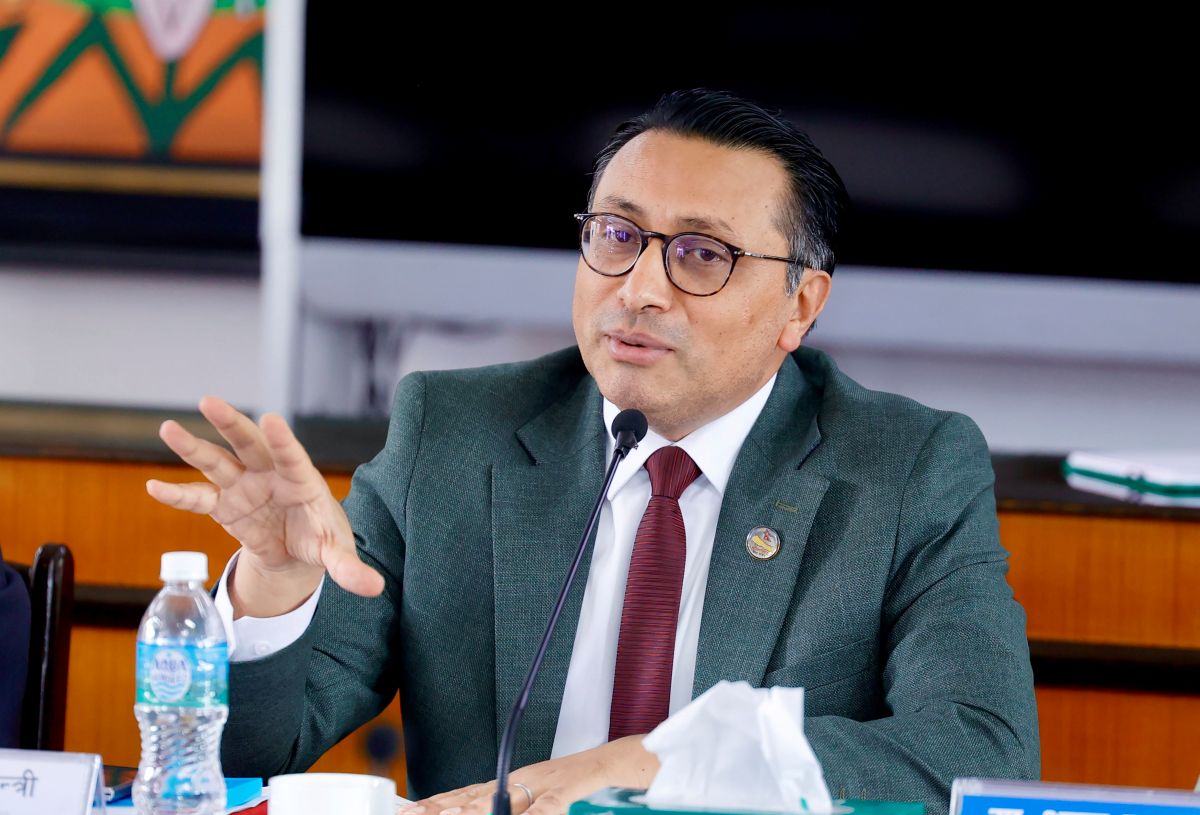
Kathmandu— Nepal’s Finance Minister, Dr. Swarnim Wagle, addressed concerns regarding the government's commitment to health insurance during a dialogue program hosted by the Rastriya Swatantra Party (RSP) in Kathmandu on Sunday, August 20th. He clarified that the budget allocated for health insurance has actually increased this year, despite claims to the contrary. The minister detailed how funding has evolved over the past few years and acknowledged ongoing efforts to improve service delivery and address financial challenges faced by entrepreneurs.
Health Insurance Funding Explained
Dr. Wagle explained that the previous government initially allocated Rs 1 billion for health insurance, which was later supplemented with an additional Rs 1.1 billion last year due to insufficient funds. This year’s budget represents a further increase of Rs 500 million, bringing the total allocation for health insurance to Rs 1.5 billion. He emphasized that the government's financial commitment to the program is growing.
Concerns Over Service Delivery
Despite the increased investment, Dr. Wagle expressed concerns about whether citizens are actually receiving adequate services commensurate with the funds allocated. He noted that the health insurance program continues to operate in government hospitals and that studies are underway to enhance its effectiveness. The minister questioned if the level of service provided is matching the increasing financial input.
Relief for Entrepreneurs on Financial Blacklist
Finance Minister Dr. Wagle also addressed a separate issue affecting Nepali entrepreneurs, specifically those who have been placed on a financial blacklist due to bounced checks. He stated that approximately 170,000 individuals are currently facing difficulties as a result of this situation and that the government is taking steps to provide relief. “I have instructed the central bank to work quickly on how relief can be provided to those unknowingly caught in the vicious cycle of the blacklist,” he added. He highlighted the escalating nature of the problem over recent years and its negative impact on entrepreneurial activity.
The Finance Minister indicated that discussions with the Nepal Rastra Bank are ongoing to formulate a plan for providing assistance to entrepreneurs affected by the blacklist, while efforts continue to improve the effectiveness of the national health insurance program.
(With inputs from RN)
Originally published on abcnews.com.np.


प्रतिक्रिया दिनुहोस्