

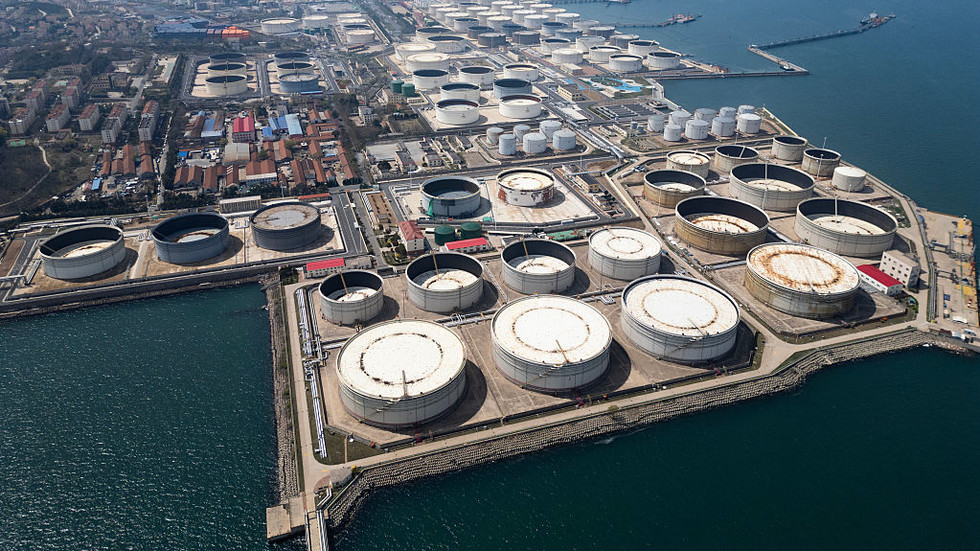
Kathmandu— China has declined a United States request to join what American officials are calling the “toughest sanctions in history” against Iran, signaling its opposition to escalating economic pressure on the Islamic Republic. The rejection comes as US Treasury Secretary Scott Bessent urged global allies to halt business with Iran ahead of planned sanctions expected Monday, aiming for comprehensive economic isolation. Beijing maintains that dialogue and diplomacy, not sanctions, are the appropriate path forward, a position echoed by Iranian officials who denounce Washington’s policies as ‘economic terrorism.’
US Escalates Economic Pressure
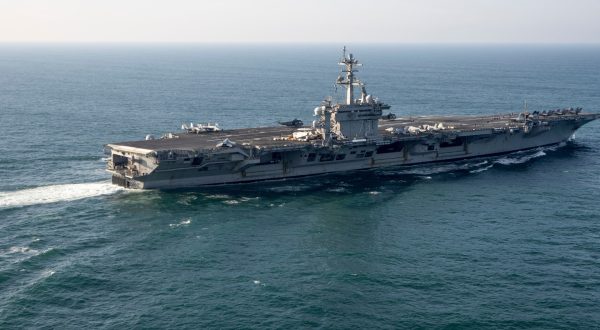
US Treasury Secretary Scott Bessent described the planned measures as “a one-two punch” combining a naval blockade with stringent economic sanctions intended to cripple Iran's economy and potentially lead to regime change. President Donald Trump announced what he termed an “economic D-Day” against Tehran on Wednesday, warning of significant consequences for any nation offering support to Iran. Bessent specifically called upon allies and other countries to choose sides and cease commercial activity with the Islamic Republic.
China Voices Opposition
A spokesperson for the Chinese Embassy in Washington stated that sanctions and pressure are not conducive to resolving the issue, advocating instead for a “political and diplomatic approach.” Foreign Ministry spokesman Lin Jian reiterated this stance, emphasizing that “sanctions and pressure tactics are not the solution.” China’s position contrasts sharply with the US push for broad international cooperation on economic isolation.
Economic Ties at Stake
China is a major purchaser of Iranian oil, acquiring over 80% of Iran's crude exports in 2025 according to data from Kpler. Despite this significant trade relationship, Beijing appears unwilling to yield to US pressure. Bessent argued that China has a vested interest in cooperating due to its reliance on energy supplies passing through the Strait of Hormuz, claiming half of China’s energy originates within the Gulf.
Diversified Energy Sources
However, reports indicate that China's energy supply is more diversified than suggested by US officials. In 2025, approximately 36% of China’s crude oil imports came from Saudi Arabia, the UAE, Kuwait, Qatar, and Iraq. Furthermore, substantial quantities are sourced from Russia and other producers outside the Gulf region. Around 30% of China's LNG imports passed through Hormuz in 2025, but Beijing also relies on pipeline gas from Russia and Central Asia.
Iranian Foreign Minister Abbas Araghchi dismissed the US threats as a continuation of failed policies, warning that Washington’s economic actions pose a threat to global sovereignty. The planned sanctions are expected to be unveiled Monday, setting the stage for potential tensions between the US and China over Iran policy.
(With inputs from RT)
Originally published on abcnews.com.np.

प्रतिक्रिया दिनुहोस्