

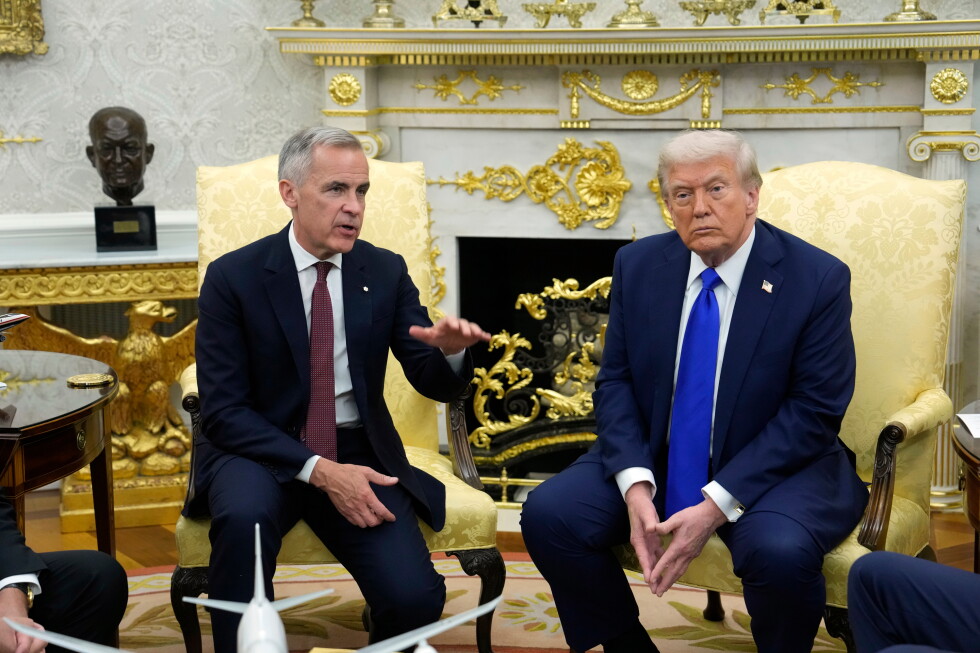
Kathmandu— The United States and Canada have entered a deeper trade war after the U.S. implemented 50% tariffs on $20 billion worth of Canadian products Saturday, with Canada announcing its own retaliatory penalties set to begin September 8th. The escalation follows the breakdown of last-ditch negotiations in Washington Friday aimed at resolving ongoing trade tensions between the two historically allied nations. Each country blames the other for the failed talks, which will result in increased prices for consumers and businesses on both sides of the border and casts doubt on the future of North American trade agreements.
Tariff Escalation and Retaliatory Measures
The U.S. tariffs will impact roughly 5% of Canada’s annual exports to the United States, encompassing a range of goods from hockey sticks to medical supplies. In response, Canadian Prime Minister Carney announced that Ottawa would implement targeted tariffs on industries affected by the U.S. duties, specifically mentioning steel products, as well as sectors like dairy, appliances, agricultural equipment, pulp and paper, and electronics. No further negotiations are currently planned between the two nations.
Blame and Accusations
Carney strongly criticized Washington’s approach, accusing the U.S. of using “economic integration as a weapon” and suggesting that any commitments made were not taken seriously. He described Canada as having been “attacked” by the new tariffs, stating his country possesses the resources to respond effectively. Conversely, Jamieson Greer, President Trump's chief trade negotiator, asserted that the U.S. was compelled to act after a year of retaliatory measures from Canada, emphasizing the need to protect American workers and supply chains.
Disputed Terms and Failed Compromises
According to Carney, Canada had been prepared to lift existing tariffs on steel, aluminum, and automobiles if the U.S. significantly lowered its own duties and encouraged provinces to restore sales of U.S. alcohol. However, he claimed that Washington’s final demands were excessive. Greer countered that the Trump administration offered concessions on sensitive areas like steel, autos, and lumber, but Canada rejected what he described as an even more favorable deal. Carney further stated that the U.S. added last-minute terms restricting Canadian trade deals with other countries and undermining protections for its language, culture, and sovereignty.
Impact on North American Trade
The breakdown in negotiations also threatens the future of the United States-Mexico-Canada Agreement (USMCA), a crucial trade pact for all three nations. Carney acknowledged that the failed talks had created “a new perspective” on Washington’s broader economic objectives, casting doubt on the review process for the agreement. Ontario Premier Doug Ford praised Carney's rejection of the deal, stating it would have negatively impacted key sectors in his province and urging Canada to utilize all available tools to counter the U.S. tariffs.
A Shift in US-Canada Relations
The current dispute marks a significant departure from the traditionally cooperative relationship between the United States and Canada. The two countries share an 8,891 kilometer undefended border and have long been allies, with Canadian soldiers fighting alongside Americans in conflicts like Afghanistan. However, Trump’s administration has adopted a more protectionist stance, seeking to bring manufacturing back to the U.S., and even floated the idea of annexing Canada. Carney acknowledged that “America has changed” and that the relationship between the two countries will not return to its previous state.
The imposition of these tariffs is expected to create significant economic pressure on both sides, with potential impacts on consumers and businesses in the coming months. While Ryan Majerus, a former U.S. trade official, suggests both sides may seek an “off-ramp,” the future of US-Canada trade relations remains uncertain.
(With inputs from AP)
Originally published on abcnews.com.np.


प्रतिक्रिया दिनुहोस्