

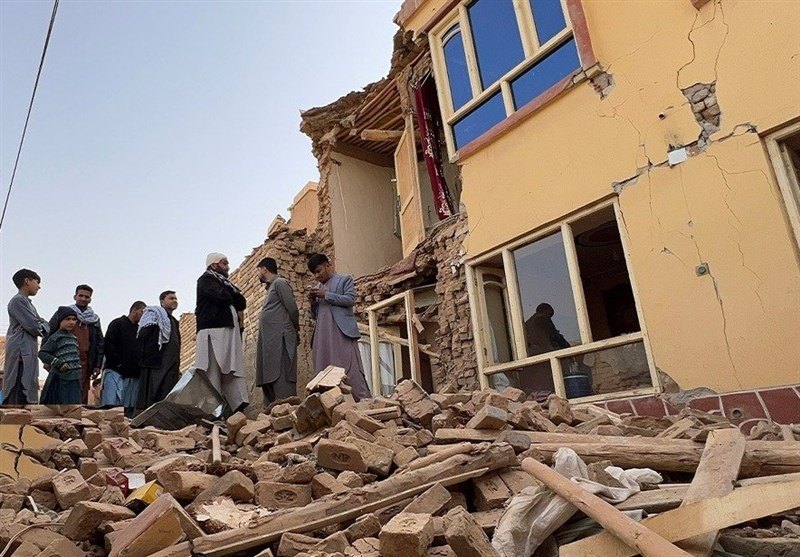
Kathmandu— The history of Afghanistan is marked by resistance to foreign intervention, with empires from Britain to America experiencing defeat within its borders. Following the chaotic withdrawal of US and coalition forces in August 2021 – a campaign that cost 2,448 American service personnel and an estimated 363,000 Afghan civilian lives – the Taliban have now held power for five years. While facing international criticism regarding human rights, particularly concerning women’s rights and access to education, they maintain control and claim to be working towards peace and prosperity under Sharia law, a narrative bolstered by internal resistance movements.
A History Of Resistance
Throughout history, Afghanistan has consistently resisted foreign influence. The country's terrain and cultural identity have proven formidable obstacles for invading forces, leading to the downfall of three major empires: British, Soviet, and American. This historical pattern underscores a deep-seated aversion to imposed solutions and external control. The Taliban’s resilience against administrations from George W. Bush to Joseph Biden surprised many observers, particularly as the first Trump administration signaled an intention to end the “forever wars.”
Taliban Claims And International Scrutiny
The Taliban government asserts it is working towards stability and adherence to Sharia law, with deputy spokesman Hamdullah Fitrat stating they pray for protection from occupation and insecurity. However, these claims are met with skepticism internationally, particularly concerning their record on human rights. Organizations like the Malala Fund have voiced concerns about the abandonment of Afghanistan and the resulting “gender apartheid,” highlighting the exclusion of 2.4 million girls from secondary education. The UN special rapporteur on human rights in Afghanistan has gone further, concluding that the current system constitutes a crime against humanity of gender persecution.
Failed Reconstruction Efforts
A significant amount of resources were invested in reconstruction efforts during the US-led occupation, but these largely failed to achieve lasting results. According to Texan Republican Michael T. McCaul, the United States spent $132 billion on development assistance, much of which was “wasted, stolen, or failed to address the problems it was meant to fix.” John Sopko, the Special Inspector General for Afghanistan Reconstruction, identified six key reasons for this failure, including a lack of coordination, unchecked corruption, and insufficient understanding of Afghan history and culture. Mark Milley, former Joint Chiefs of Staff chairman, admitted that while they built an army and state, “we could not build a nation.”
Internal Resistance Emerges
Despite the Taliban’s control, resistance movements are growing within Afghanistan itself. Michael Semple of Queen’s University Belfast identifies thirteen forms of opposition, ranging from critical commentary by religious leaders to protests over resource control and support for migrants. This internal resistance suggests that any meaningful change must originate from within Afghan society, rather than through external intervention. Semple argues that vibrant, feasible change will not be found in the planning rooms of the Pentagon or State Department.
The Taliban continue to govern Afghanistan amid ongoing international scrutiny and growing internal opposition, highlighting a complex situation rooted in decades of conflict and foreign intervention.
(With inputs from CounterPunch)
Originally published on abcnews.com.np.


प्रतिक्रिया दिनुहोस्