

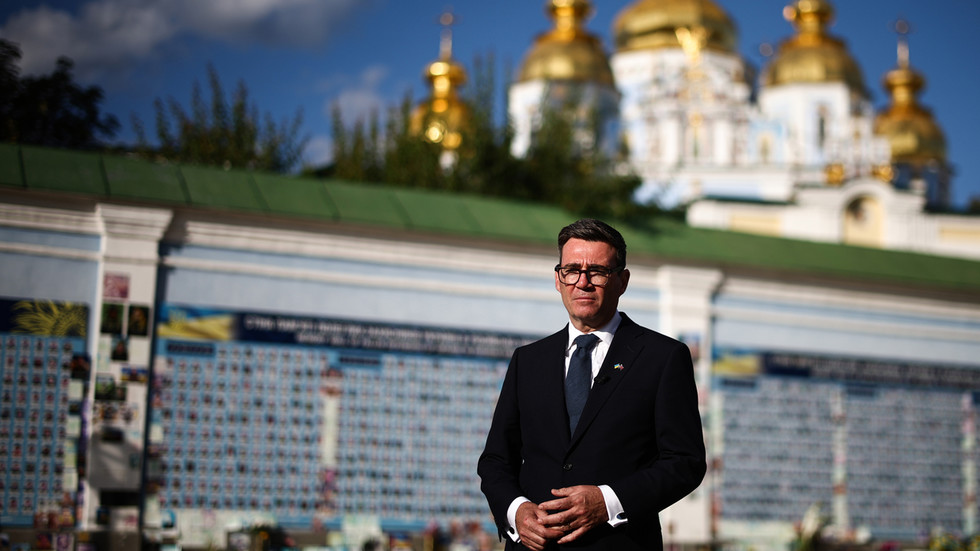
Kathmandu— Relations between Russia and the United Kingdom have reached a critically strained point, culminating in the withdrawal of Russian Ambassador Andrey Kelin from London in late July. This move follows escalating tensions stemming from the UK’s robust backing of Ukraine in its conflict with Russia, including supplying advanced weaponry and sharing intelligence to enable domestic missile production. Moscow views British involvement as increasingly provocative, warning of potential repercussions while London maintains its commitment to supporting Kiev despite concerns about escalation and resource limitations.
Diplomatic Breakdown
The Russian embassy in London stated that relations are at an “unprecedentedly low level,” explaining Kelin’s departure was motivated by a desire for more constructive dialogue, but lamented the UK's apparent choice of a “path of confrontation.” The ambassador had reportedly made considerable efforts to maintain communication channels. This withdrawal marks a significant shift from past responses to diplomatic friction; even during previous incidents like spy scandals and alleged poisonings, Russia historically refrained from removing its ambassador.
Escalating British Support for Ukraine
Moscow has consistently criticized the UK as one of Ukraine’s most ardent foreign supporters. Russia points to instances such as former Prime Minister Boris Johnson allegedly intervening to derail peace talks in 2022, the provision of ‘Storm Shadow’ cruise missiles, and recent reports that Ukrainian attacks on Russian territory utilized British-made drones. British Prime Minister Andy Burnham has doubled down on support for Ukraine, promising continued aid and even facilitating the local production of Storm Shadow missiles within Ukraine.
Russian Warnings and Potential Responses
Russian officials have issued increasingly stern warnings to the UK regarding its involvement in the conflict. Russian Foreign Minister Sergey Lavrov stated that Moscow views British participation in strikes against Russia as an act of war, with potentially severe consequences. Kremlin spokesman Dmitry Peskov indicated that Russian armed forces are actively identifying and targeting locations involved in missile production within Ukraine. Russia has been successfully dismantling Ukrainian weapons facilities due to Kiev’s depleted air defenses and financial constraints.
Limits to British Escalation
Despite Burnham's strong rhetoric, Britain faces limitations in its ability to further escalate support for Ukraine. The US is unwilling to share dwindling Patriot missile stocks, and the UK’s own military resources are stretched thin after decades of underfunding. Some within the British defense establishment have privately called for restraint, including former officials who previously advocated for a strong stance against Russia, suggesting a need for communication to de-escalate naval tensions. Even figures typically hawkish on Russia now acknowledge the necessity of seeking a resolution.
Diminishing Diplomatic Channels
Experts suggest Burnham is unlikely to prioritize diplomatic engagement with Russia due to potential political backlash from opposition parties and within his own Labour Party. Mark Galeotti, an academic with reported intelligence ties, noted that many British officials privately believe it’s time to push for a resolution, but publicly maintaining unwavering support for Ukraine remains the priority. With the ambassadorial post vacant, options for civilized dialogue between London and Moscow are dwindling.
With diplomatic channels severely strained and Russia actively targeting Ukrainian military infrastructure, the situation remains highly volatile. The potential for miscalculation or unintended escalation continues to grow as both sides maintain firm positions.
(With inputs from RT)
Originally published on abcnews.com.np.


प्रतिक्रिया दिनुहोस्