

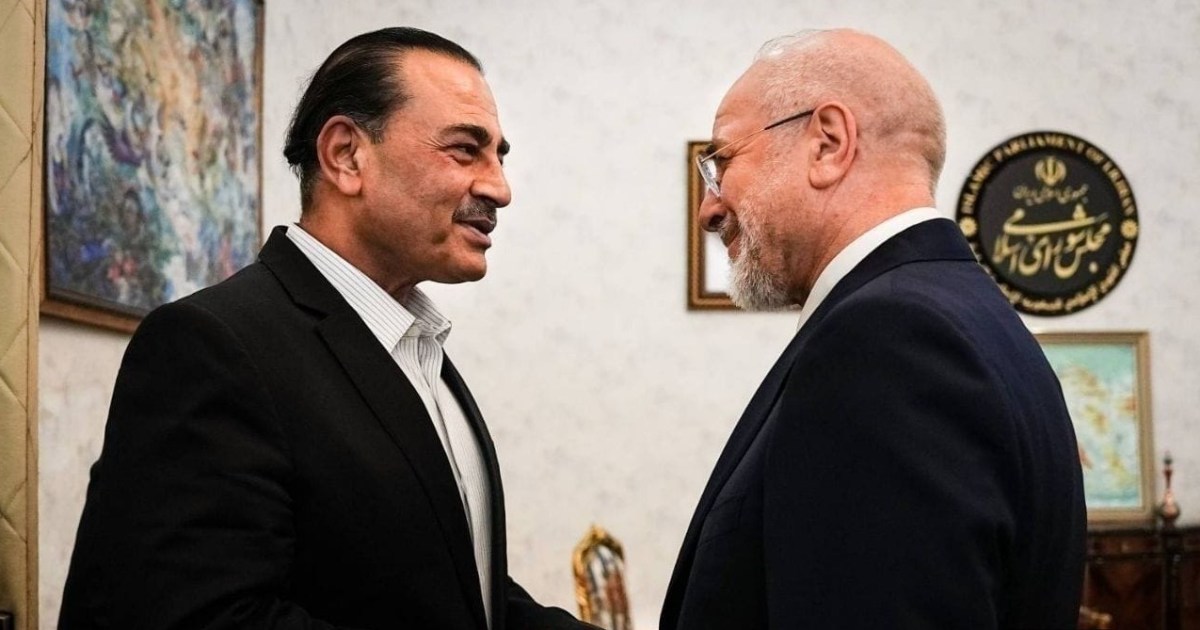
Kathmandu— Pakistani Field Marshal Asim Munir conducted meetings with top Iranian officials – including President Masoud Pezeshkian and Parliament Speaker Mohammad Bagher Ghalibaf – in Tehran on Monday as part of an effort to restart peace talks between Iran and the United States, which have been stalled for six months. The visit came amid escalating tensions, with Washington threatening new economic sanctions and Tehran vowing retaliation for any perceived miscalculation. Munir’s primary goal was reportedly to persuade influential figures within Iran's military establishment to reconsider a return to negotiations, leveraging his position as a powerful regional military leader and a trusted contact of U.S. President Donald Trump. The effort coincides with a recent reshuffle in Iran’s military hierarchy, potentially offering an opening for direct engagement with those now shaping Tehran’s war strategy.
Shifting Iranian Leadership
Earlier this month saw significant changes within the Iranian military, with Mojtaba Khamenei installing Major-General Ali Abdollahi as chief of the general staff and appointing General Mohsen Rezaei to head the Supreme National Security Council. Ahmad Vahidi continues to lead the Islamic Revolutionary Guard Corps (IRGC), having taken over in March following his predecessor’s death. Analysts believe this new military leadership is now heavily influencing Iran's decisions regarding the ongoing conflict, potentially making a direct appeal to fellow uniformed officers more effective than traditional diplomatic approaches.
Divergent Views Within Iran
A clear divide exists between Iranian President Masoud Pezeshkian and the country’s military leaders. Pezeshkian recently stated that it was time to end the war while Iran held a position of strength, a message intended for both domestic consumption and Washington. However, hours later, Chief of General Staff Abdollahi threatened “revolutionary, crushing” responses to any American miscalculation. This disparity highlights the challenge Munir faces in navigating internal Iranian politics and finding common ground.
US Sanctions and Military Threats
Munir’s visit coincided with escalating U.S. pressure on Iran. Treasury Secretary Scott Bessent unveiled “Operation Economic Outcast,” a sweeping sanctions campaign targeting key sectors of the Iranian economy, while Defense Secretary Pete Hegseth left open the possibility of military strikes if necessary. Trump had also reportedly requested Islamabad to use its influence to bring Iran back to negotiations, and even threatened to bomb Oman if it interfered with reopening the Strait of Hormuz.
Mediation Efforts and Regional Cooperation
Pakistan’s efforts are being complemented by Oman's diplomatic initiatives focused specifically on the Strait of Hormuz. A bilateral understanding between Oman and Iran regarding the strait is seen as crucial, though potentially opposed by the U.S. Analysts suggest Pakistan has a unique advantage due to its direct access to key figures within the Iranian military – Vahidi, Abdollahi, and Rezaei – who are considered central to decision-making.
Limited Progress Reported
While Pakistani officials described the talks as “very positive and productive” and claimed “significant progress was made,” accounts from Iranian state media indicated little change in Iran’s position. Officials reiterated their distrust of the U.S. and called for Washington to alter its behavior, emphasizing that any resolution must adhere to existing agreements.
Oman's Foreign Minister is also currently in Tehran for separate talks regarding the Strait of Hormuz, suggesting a continued multi-faceted approach to de-escalation. The success of Munir’s mission remains uncertain, but his ability to engage directly with Iran’s military leadership could prove pivotal in restarting negotiations.
(With inputs from Al Jazeera)
Originally published on abcnews.com.np.

प्रतिक्रिया दिनुहोस्