

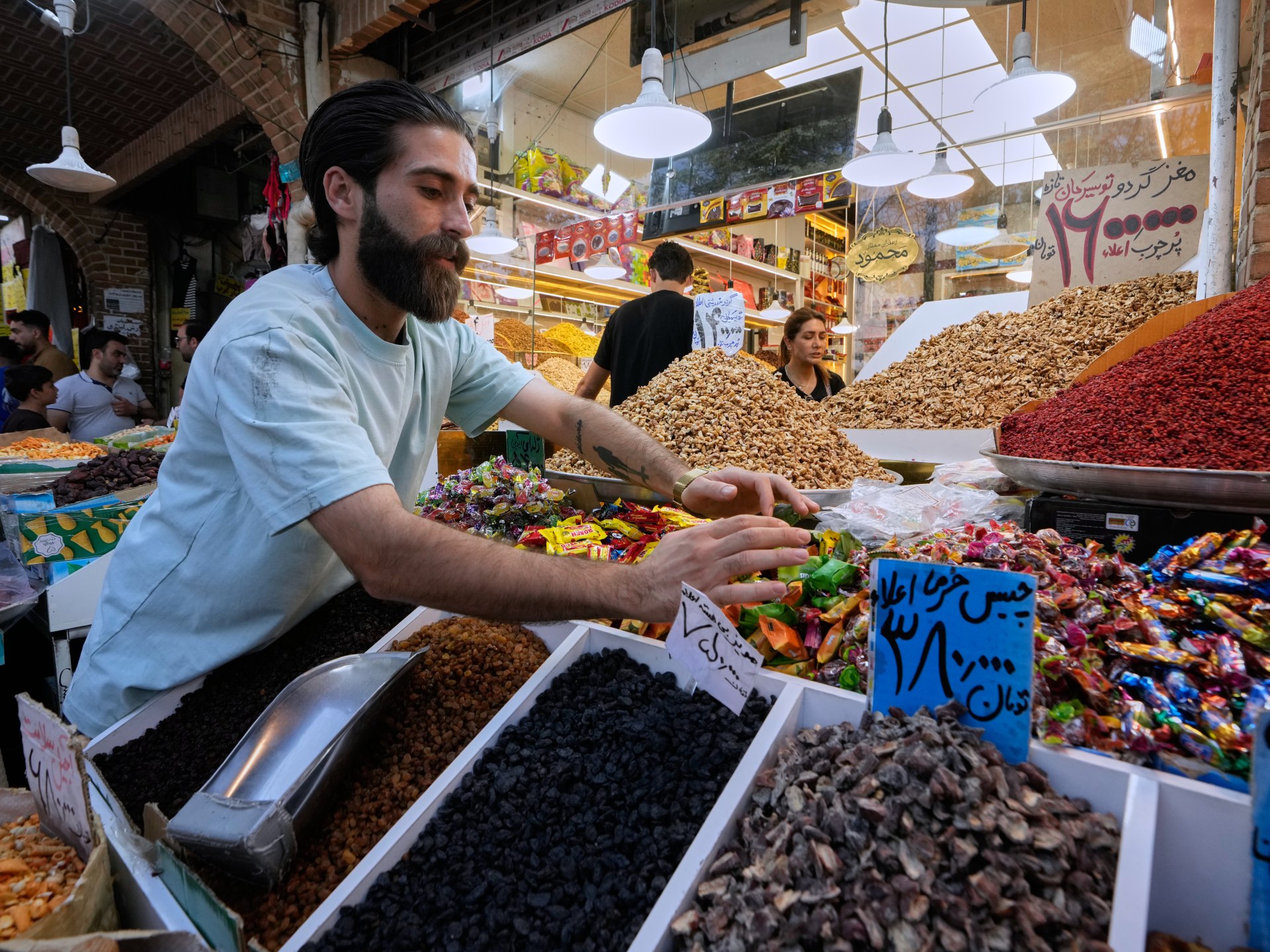
Kathmandu— Iranian authorities are emphasizing the nation’s capacity for self-reliance as it faces renewed economic pressure from the United States, with new sanctions unveiled this week aimed at forcing concessions in their ongoing conflict. The government cites a two-year plan to bolster domestic production and circumvent international restrictions, while acknowledging significant economic challenges including dwindling oil exports, rising inflation, and declining purchasing power. Despite these difficulties, officials express confidence that Iran can withstand the pressure and even “go on the offensive” as global power dynamics shift.
Economic Resilience Strategy
Iran is prioritizing stockpiling essential goods, foreign currencies, and gold as a key tactic to navigate the sanctions, while simultaneously attempting to reduce reliance on imports. Economy Minister Ali Madanizadeh highlighted Iran’s experience in circumventing sanctions, suggesting a proactive approach beyond mere resistance. The government aims to leverage a changing global landscape where it believes many nations will resist US pressure to isolate Iran.
Challenges to Domestic Production
Despite claims of self-sufficiency, Iran faces significant hurdles in maintaining domestic supply chains. Central Bank Governor Abdolnasser Hemmati admitted that oil exports have “almost totally stopped,” though he assured business leaders that sufficient foreign currency reserves exist for essential goods – held “in places [the US] cannot access.” The country is also grappling with runaway inflation and a decrease in citizens’ purchasing power, issues acknowledged by Hemmati as “serious” but distinct from economic collapse. Furthermore, the national currency recently hit a record low against the US dollar, though it experienced slight recovery.
Focus on Food and Medicine
To lessen dependence on imports for its population of approximately 90 million, Iran claims to currently produce 85 percent of its agricultural products domestically, with plans to increase this to 90 percent in the short term. However, concerns remain about the impact increased domestic production will have on the country’s already strained water resources. While Iran asserts it produces 97% of its medicine, imported pharmaceuticals still account for a significant portion of total spending; shortages of nearly 1,000 medicines were reported in May. The government has begun reducing cheap currency allocations to some imports, leading to price increases.
Infrastructure Strain and Energy Shortages
The ongoing conflict has exacerbated existing infrastructure problems, with damage to oil, gas, and utility facilities requiring urgent repair. Daily power blackouts continue to disrupt households and industries, while natural gas shortages are anticipated as colder weather approaches. Fuel shortages have also been reported at petrol stations in several cities, prompting the government to promise that current prices and quotas will remain unchanged through September 22 – despite already reducing fuel allowances for private vehicles. New refineries planned for completion by late March aim to add 12 million liters per day to production capacity.
Warnings of Further Hardship
Government spokesperson Fatemeh Mohajerani cautioned that Iranians should not expect improvements in conditions over the next year, and revealed that authorization from the Supreme National Security Council is required before poverty level data can be publicly released. Iranian economist Sadegh Alhosseini warned that “painful reforms,” such as increasing fuel prices, are necessary to avoid social unrest similar to Venezuela, though he acknowledged this would further exacerbate inflation and hardship for citizens.
Iran’s government appears committed to weathering the economic storm through self-reliance, but faces a growing challenge in maintaining resources and capacity amidst sustained pressure. The coming months will be critical in determining whether these strategies can prevent a deepening economic crisis.
(With inputs from Al Jazeera)
Originally published on abcnews.com.np.


प्रतिक्रिया दिनुहोस्